In the realm of classic American muscle, the concept of value often finds itself at a crossroads. On one side lies the rarefied air of seven-figure investments—museum-grade machines like the 1969 Ford Mustang Boss 429, whose value soars precisely because they are rarely driven, their engines silent, their tires pristine. These are garage-bound treasures, more asset than automobile. On the other side exists a more visceral, more attainable truth. It is the road itself, the rumble of a V-8, and the sheer, unadulterated joy of piloting a piece of history without the paralyzing fear of depreciating a fortune. For the true enthusiast, value is measured not in future auction results, but in present-day smiles per gallon. It is found in the iconic nameplates and powerful engines that, through quirks of history or simple abundance, remain within reach. These are the machines that blend head-turning style with everyday usability, offering pure driving bliss and a profound sense of pride with every mile turned, not just every dollar spent. They are the soul of the muscle car era, reborn for the driver, not just the collector.
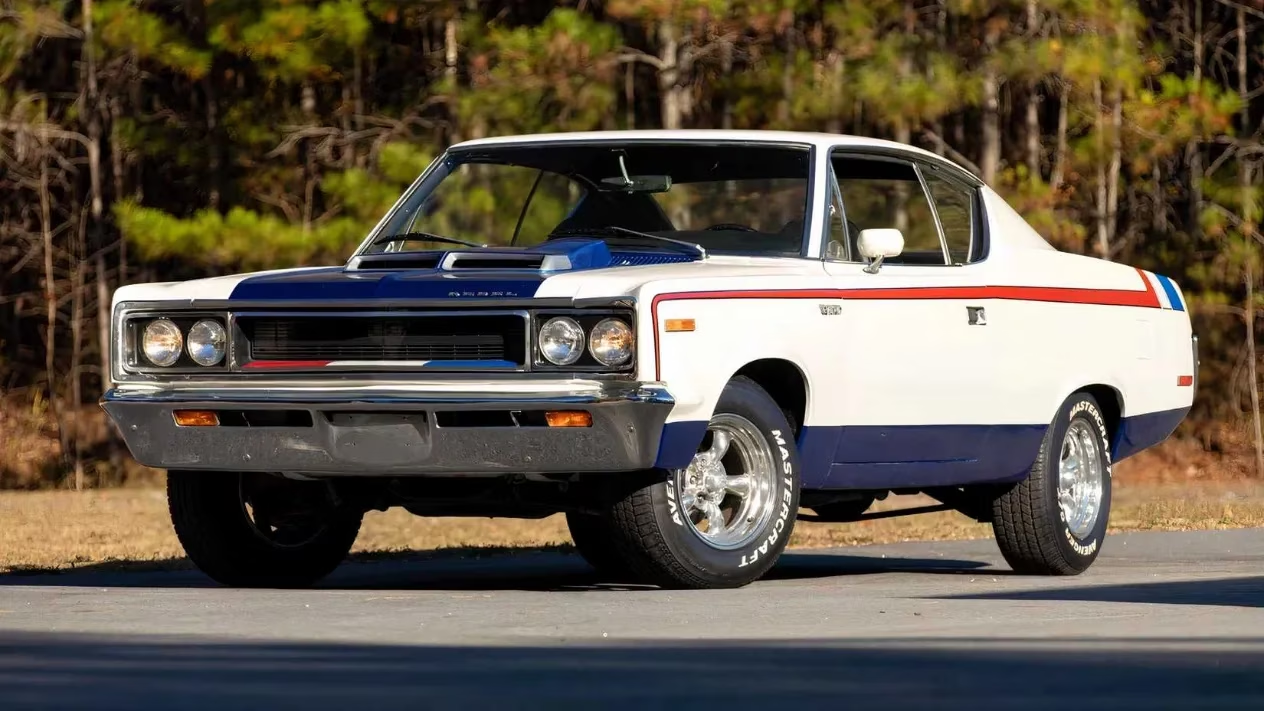
Long overshadowed by its Big Three rivals, American Motors Corporation (AMC) crafted some truly rebellious machines. The 1970 AMC Rebel Machine stands as a glorious exception to the brand's often-overlooked legacy. This is no consolation prize; it is a lights-out killer with a defiant style that commands attention. Its 340-horsepower 390 cubic-inch V-8 provides the thunder to back up its bold, in-your-face attitude. While once stigmatized, the Rebel Machine now draws genuine awe. With average values historically reported under $20,000—though exceptional examples may approach $50,000—it represents an incredible steal for a slice of uniquely American performance that rocks as hard today as it did over half a century ago.
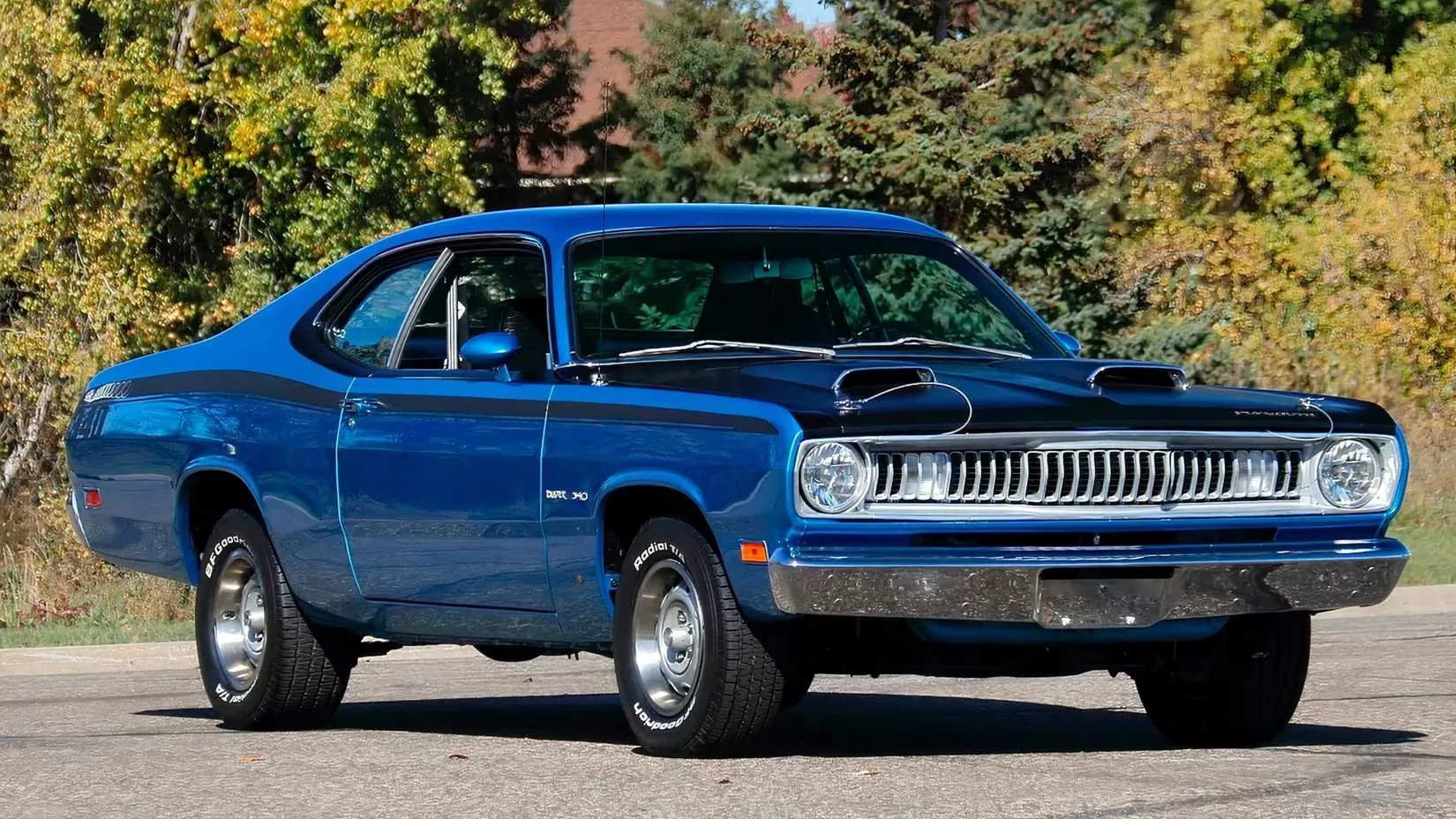
For a generation, the Plymouth Duster bore the unfortunate curse of Al Bundy's perpetually ailing sedan on television. 😅 Yet, time has been kind, revealing the 1970 Duster 340 for what it truly is: a thoroughly awesome compact muscle car. With its raked, aggressive stance, sporty curves, and iconic twin hood scoops, it possesses a charisma all its own. The 340 cubic-inch V-8 version is the one to have, offering a potent and engaging drive. Averaging just over $20,000, its value is not only fair but poised for growth. A cultural renaissance, fueled by its starring role in recent streaming series, has finally shaken off the sitcom stigma, making the Duster cool to drive once more.
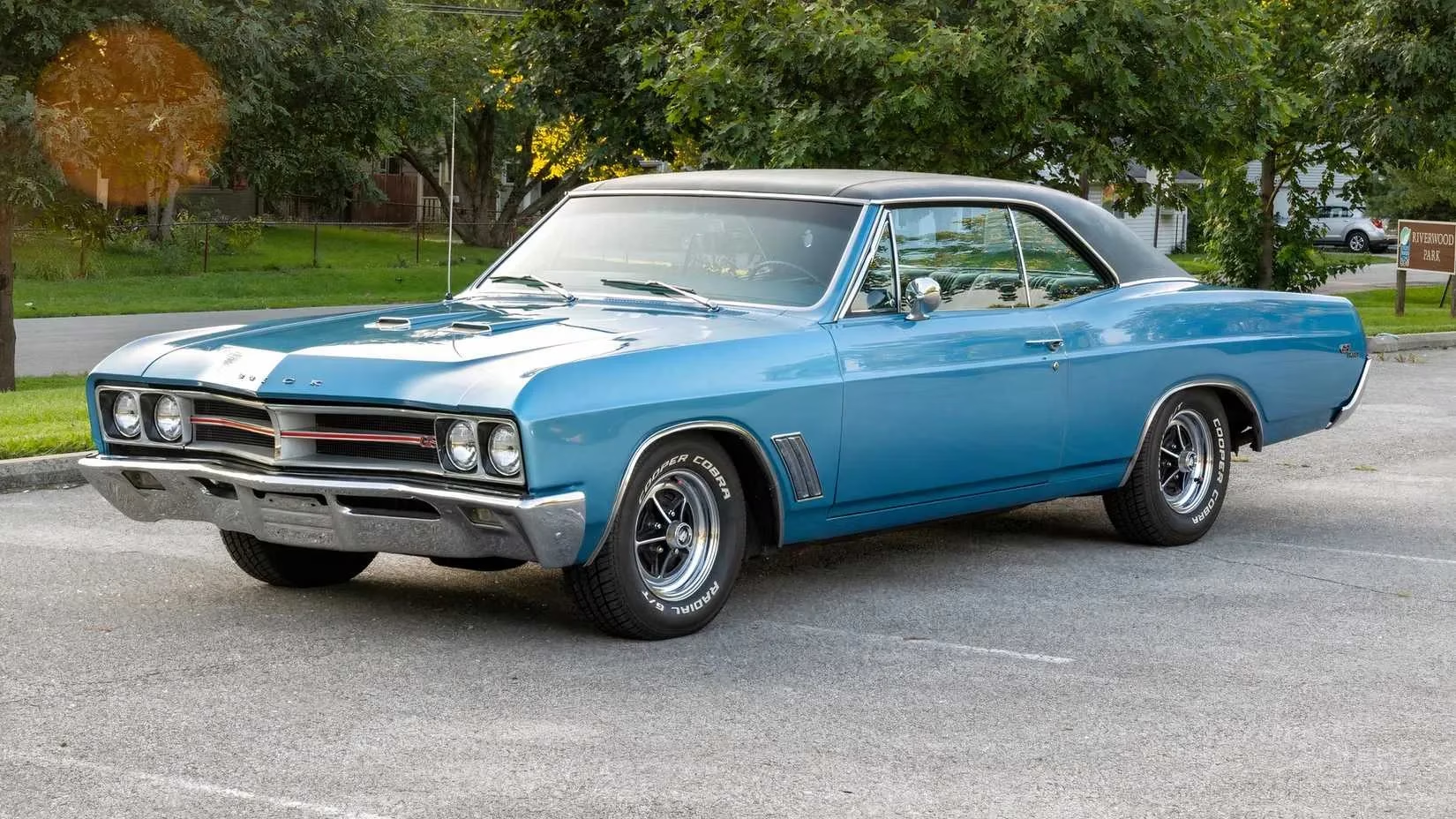
Buick, the brand of dignified luxury, secretly engineered one of the era's most compelling muscle cars. The 1967 Buick GS 400, having shed its Skylark trim origins, emerged as a standalone model of stunning grace and power. Its bold stance, gorgeous sheet metal, and unmistakable grille house a 340-horsepower 400 cubic-inch V-8. Arguably the finest GM A-body of its year, it delivers a driving experience that blends sophistication with brute force. The price? A remarkably accessible under $30,000 on average. This is not a misprint; it is a small admission fee for the unmitigated joy and timeless style this understated legend provides.
| Iconic & Affordable: A Quick Comparison | Avg. Price (2026) | Key Engine | The Vibe |
|---|---|---|---|
| 1970 AMC Rebel Machine | ~$20k - $50k | 390ci V-8 | Rebellious underdog |
| 1970 Plymouth Duster 340 | ~$20k+ | 340ci V-8 | Resurgent cool |
| 1967 Buick GS 400 | <$30k | 400ci V-8 | Sophisticated muscle |
| 1971 Dodge Charger Super Bee | ~$30k | 383ci V-8 | Fuselage fury |
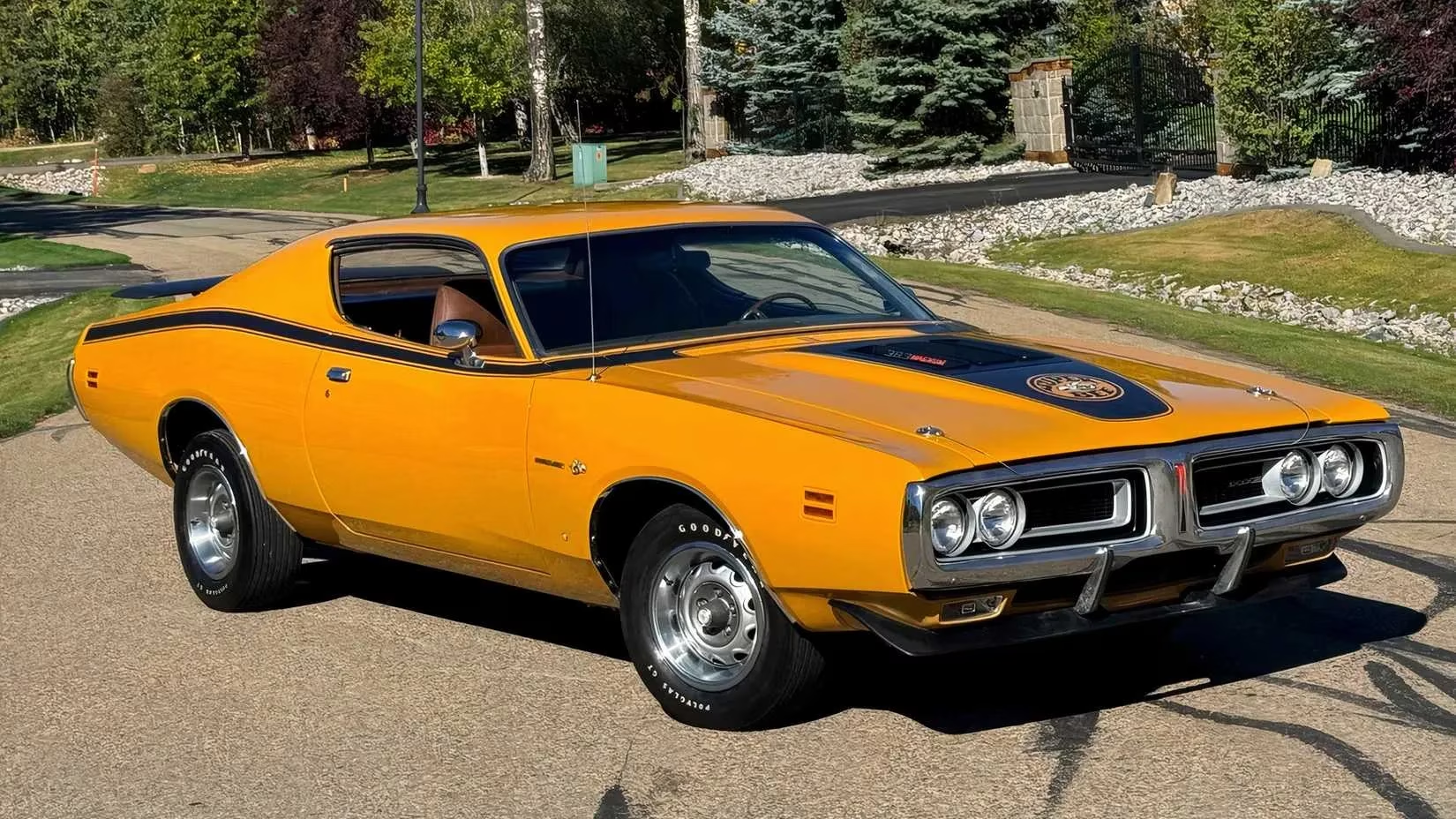
Mopar purists once dismissed the third-generation Charger, but time has vindicated its radical "Coke bottle" fuselage design. While a Hemi R/T commands astronomical sums, the 1971 Charger Super Bee offers the same jaw-dropping style with a more accessible 383 cubic-inch V-8. It is one of the most striking shapes ever to grace the asphalt, packing plenty of punch and guaranteed to spark conversations. With an average price firmly around $30,000, it delivers the iconic Mopar thrill for a mere fraction of its legendary siblings' cost.
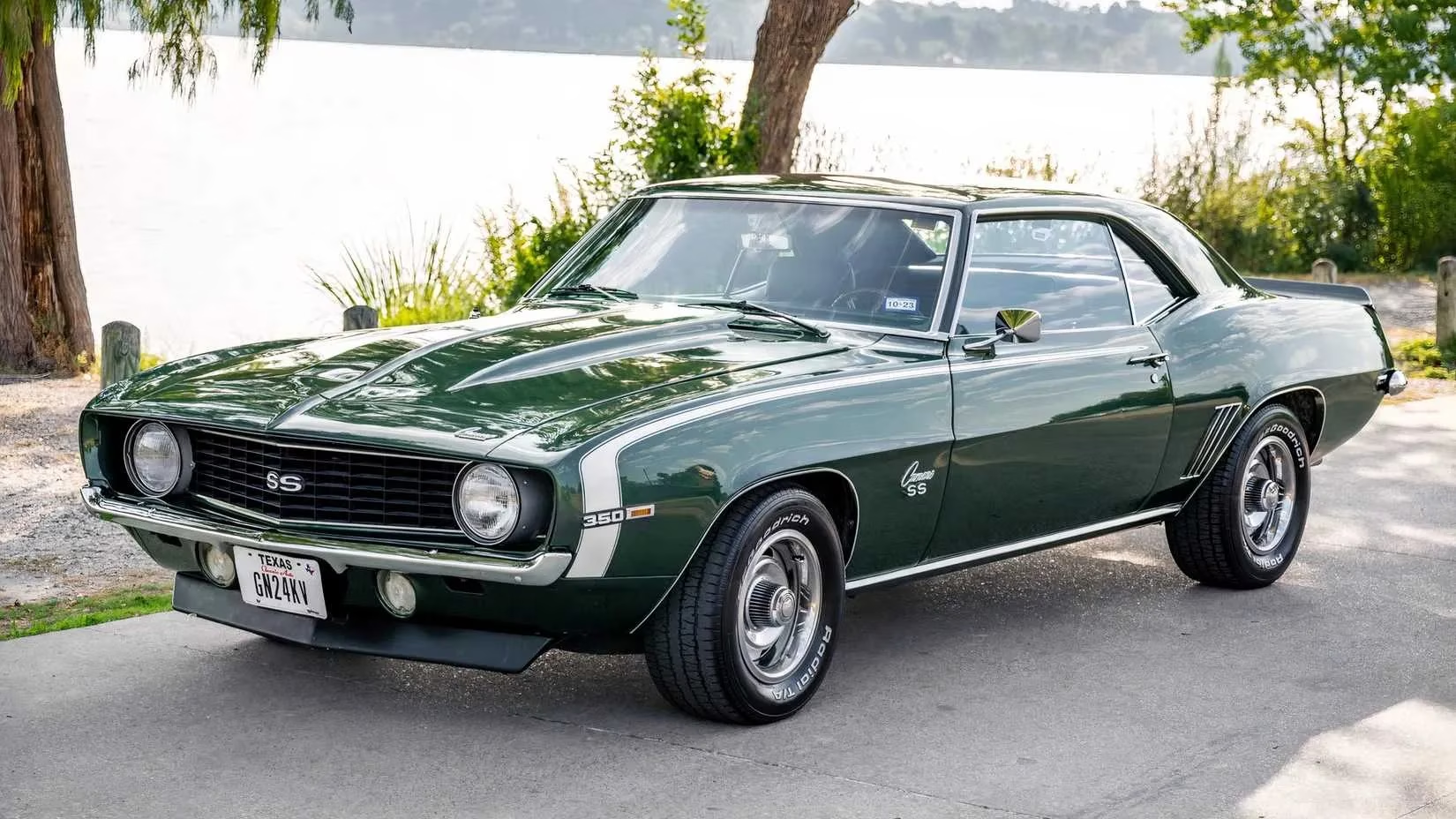
Chevrolet's declaration of war against the Mustang, the first-generation Camaro, remains a pinnacle of pony/muscle car design. While ultra-rare Z/28 and COPO models reach for the stars, the 1969 Camaro SS 350 offers the essence of that iconic experience. Its ominous, attitude-dripping presence and 300-horsepower 350 cubic-inch small-block V-8 deliver timeless performance. With average retail prices for a solid SS 350 hovering around $40,000, this dazzling classic proves that you don't need a lottery ticket to own a piece of Chevrolet's most celebrated heritage.
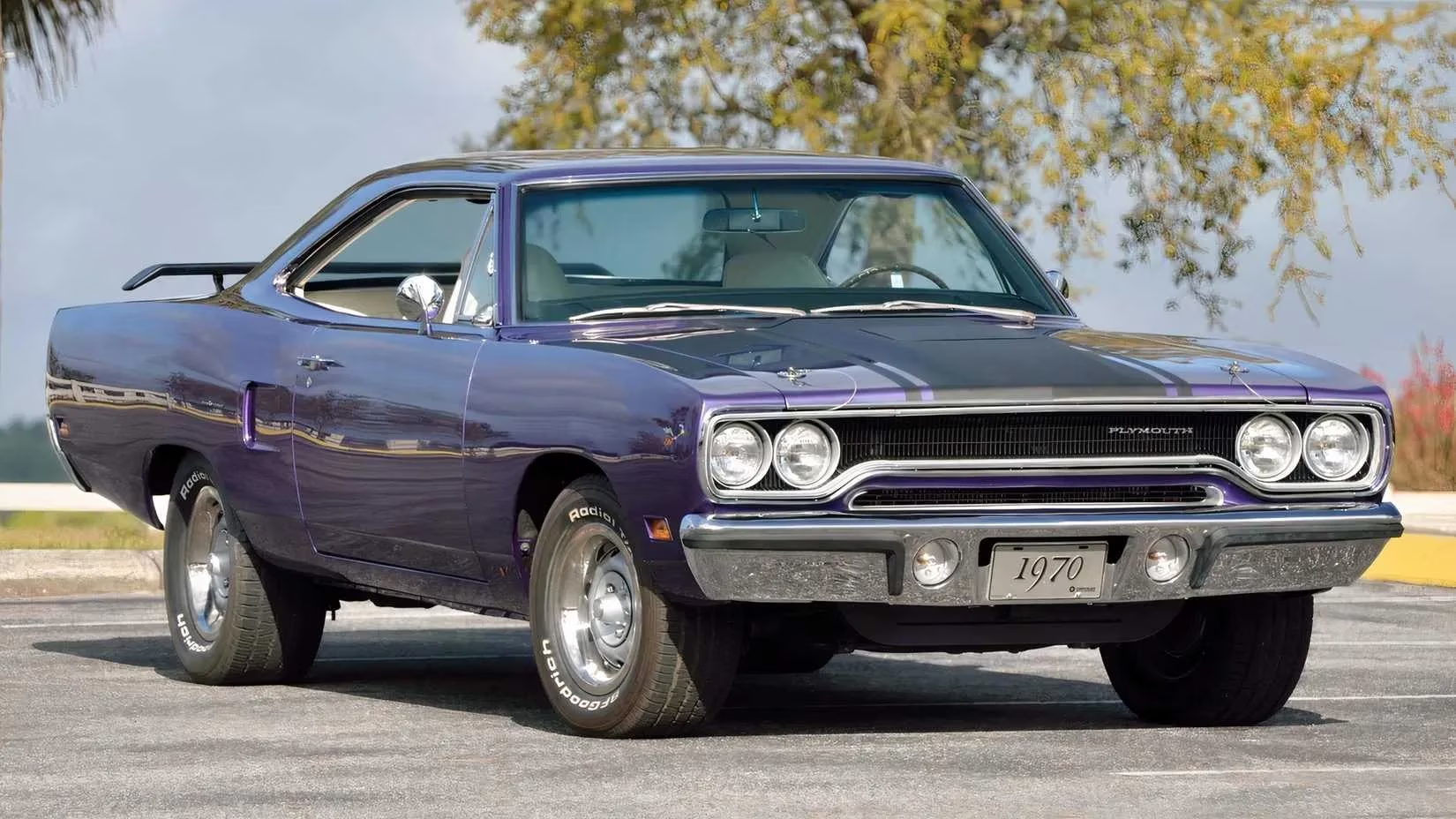
Conceived as a stripped-down, budget-friendly speed machine, the Plymouth Road Runner has ascended to classic royalty. While Hemi and 440-6BBL models command six figures, the 383 cubic-inch V-8 version remains the hero for the practical enthusiast. In a 1970 Road Runner, this engine produced a healthy 335 horsepower, wrapped in one of the coolest, no-nonsense bodies of the era. With an average price just over $40,000—and fully restored examples sometimes selling for less—it feels almost like automotive grand larceny. This is a car that gets noticed, celebrated not for its price tag, but for its pure, unadulterated Mopar spirit.
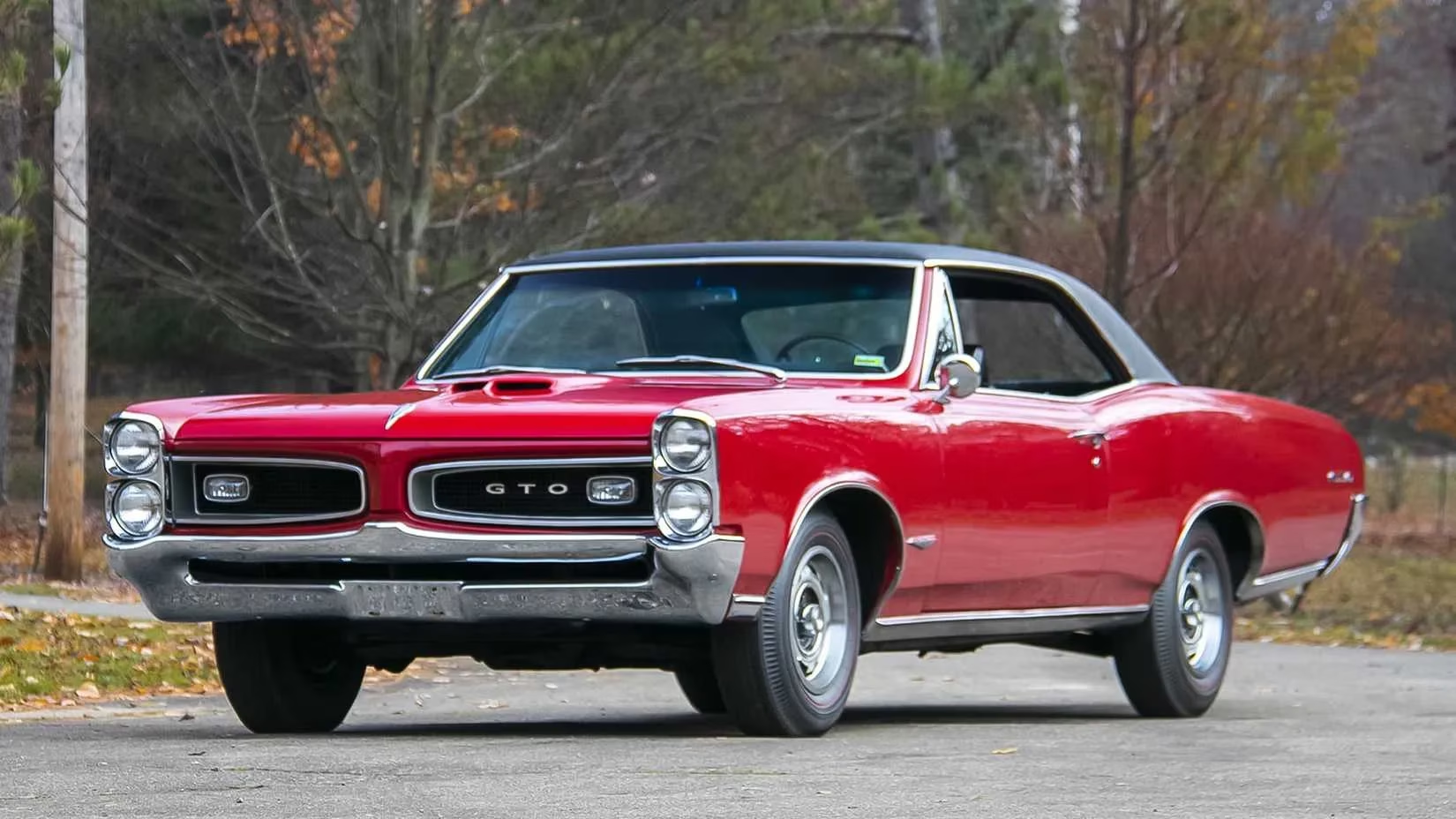
The car that started it all. The Pontiac GTO ignited the muscle car revolution, and the 1966 model represents a perfect zenith of the original formula. It was the last year for the glorious 360-horsepower 389 cubic-inch Tri-Power V-8, an engine that defined an era of American performance. Driving an original GTO injects a direct dose of history and unbridled giddiness into the veins. With an average price around $44,000 for this seminal piece of automotive history, it offers a direct connection to the dawn of muscle for a remarkably frugal sum. Beware the side effect: permanent smile-induced facial muscle fatigue. 😁
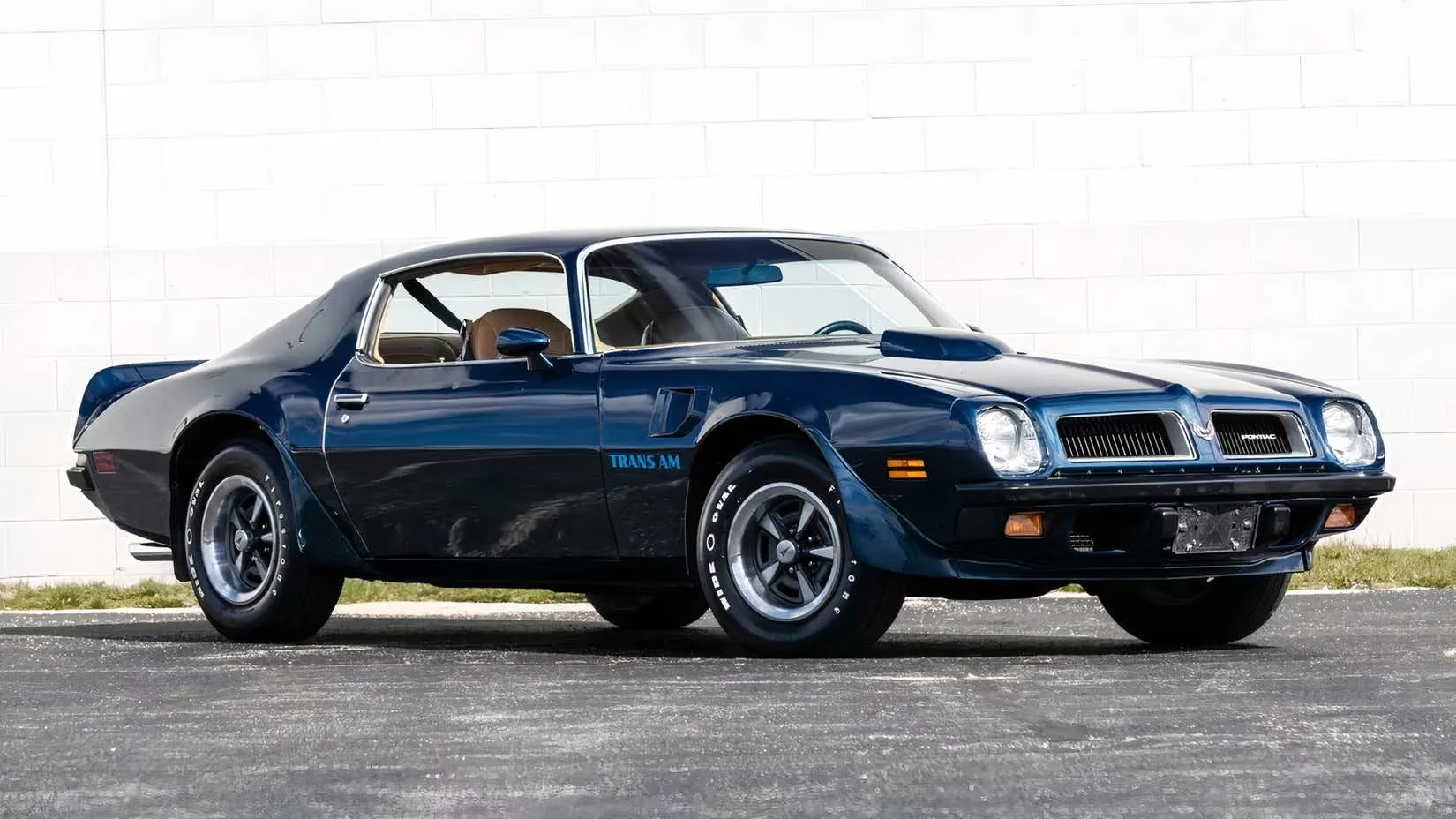
Few images are more iconic than the Screaming Chicken decal splayed across the hood of a second-generation Pontiac Firebird Trans Am. While the late-70s models suffered from emissions-strangled engines, the 1974 Trans Am represents the last of the truly potent, pre-catalyst classics. Pontiac defiantly kept powerful 400 and 455 cubic-inch V-8s available, wrapped in one of the baddest-looking bodies ever designed. With an average price around $44,600, it delivers peak Trans Am style and presence. Today, we appreciate these machines for their sheer beauty and cultural impact as much as for their stoplight prowess.
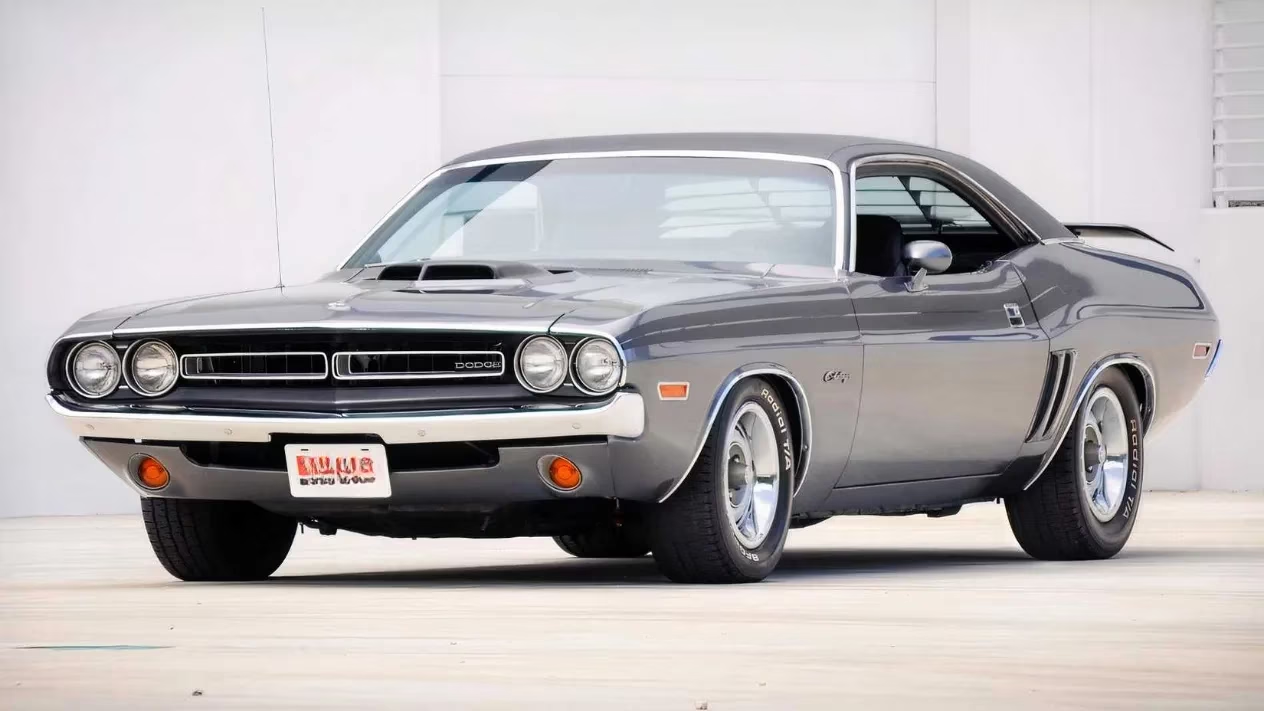
The E-body Dodge Challenger is the very silhouette of classic muscle. While the Hemi remains the holy grail, the truth is that even the legendary Vanishing Point car was a 440, not a 426. For the driving enthusiast, a 1971 Challenger R/T with the 383 cubic-inch V-8 offers that iconic look and thrilling feel without the stratospheric cost. With an average retail price around $44,600—and Hagerty valuing good examples under $40,000—it is a totally achievable dream. This is the last great Dodge of the classic era, a car you can drive without fear, soaking in every moment of its timeless appeal.
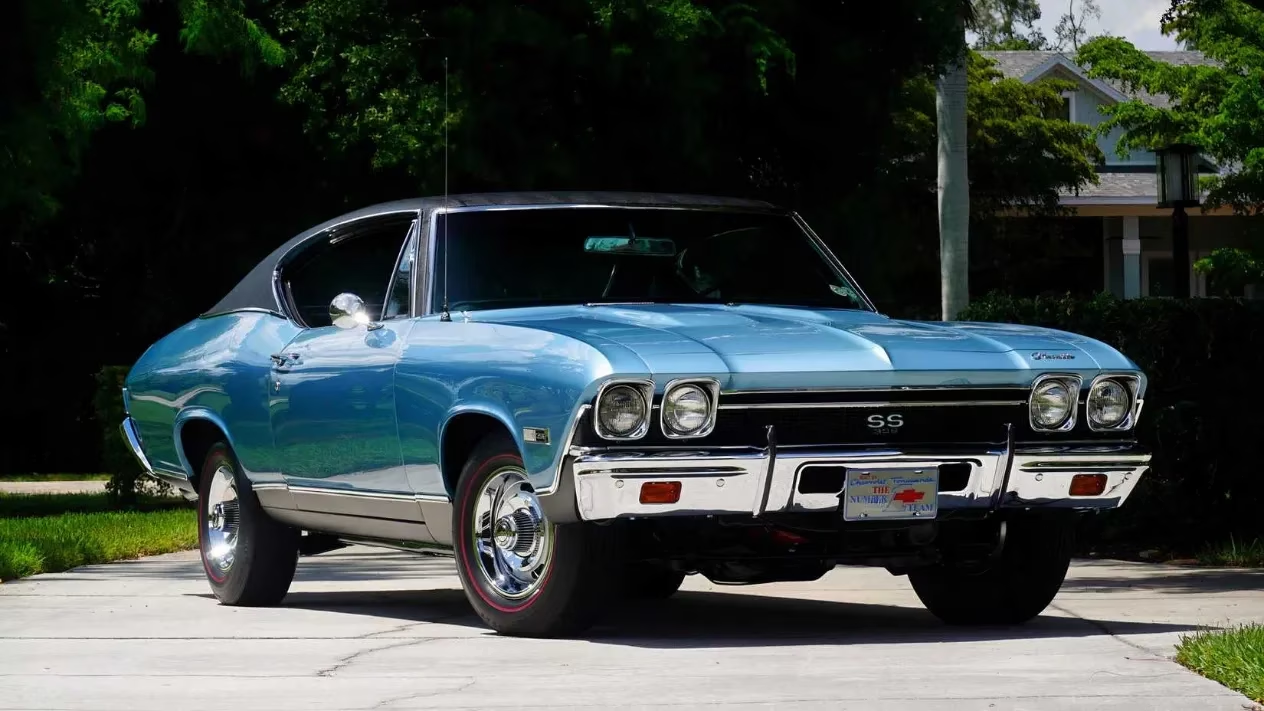
For many, the Chevrolet Chevelle SS represents the absolute peak of the genre. While the 1970 LS6 has become a garage-queen valued in the hundreds of thousands, the 1968 SS 396 delivers the quintessential Chevelle experience for the driver. It is the perfect blend of muscular, timeless style, thunderous performance from its 375-horsepower 396 big-block, and stunning affordability. With average prices consistently around $44,000 for excellent examples, this isn't a fantasy. This is a car that can be everything: a grocery getter 🛒, a daily commuter, a Friday night cruiser, and an occasional drag strip warrior. It is, in every sense, the very definition of a classic muscle car worth every single penny—a machine built not just to be owned, but to be lived with, loved, and driven. 🏁