In the shadowy corners of automotive history, the 1936 Auto Union Type C stands as a silent revolutionary, a machine that defied convention long before the world embraced the term "supercar." Born from a Nazi-backed initiative to dominate Grand Prix racing, this German marvel didn't just challenge norms—it obliterated them with its radical mid-engine design and blistering speed. Decades later, in 2025, its influence echoes through every carbon-fiber hypercar, yet the Type C remains an unsung hero, a testament to engineering audacity that rewrote the rules while the racing world clung to tradition. Its story is one of triumph and tragedy, a blueprint for the future crafted in an era of uncertainty and innovation. 🏁
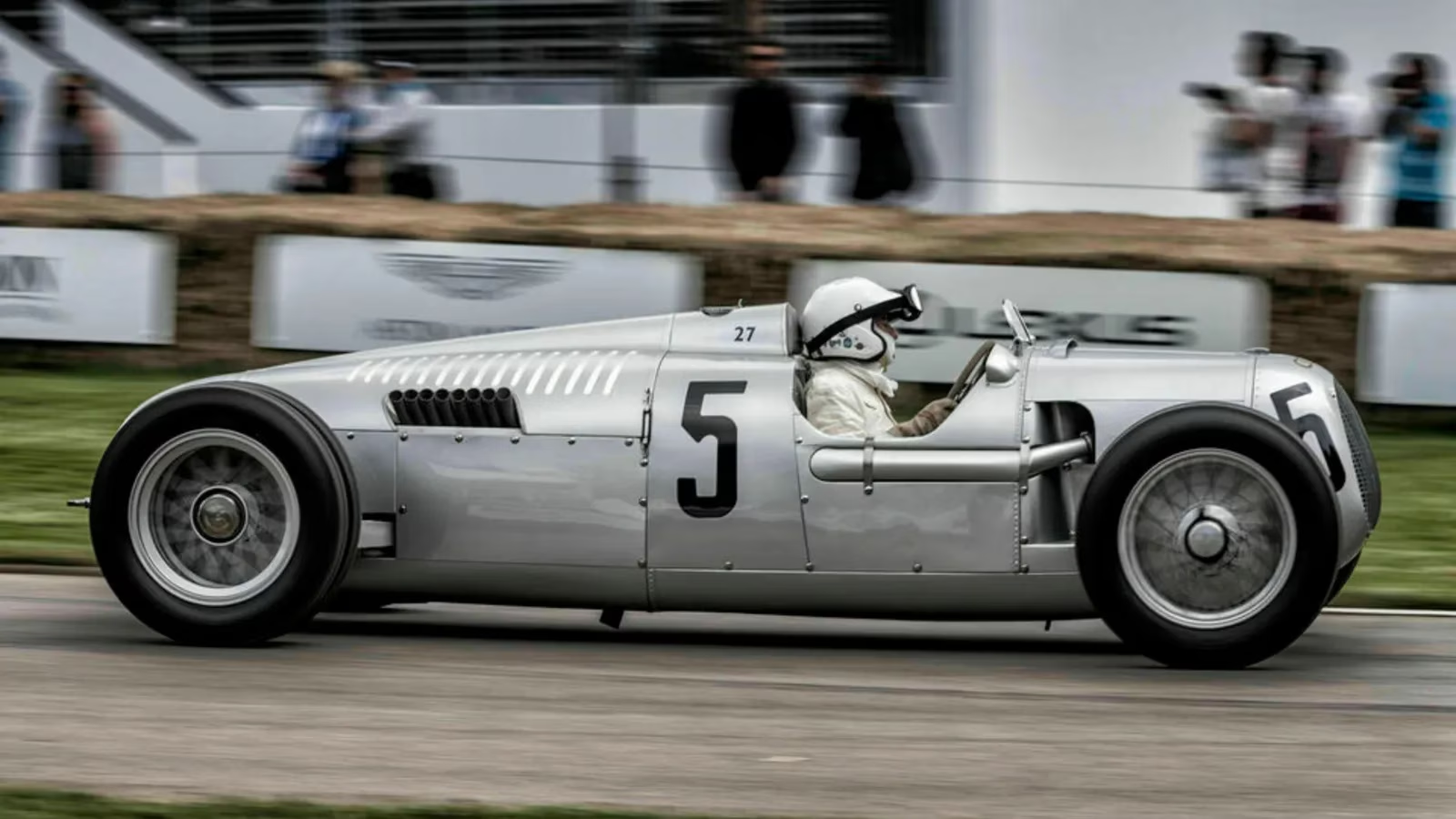
Developed under the visionary guidance of Ferdinand Porsche, the Type C represented a seismic shift in automotive engineering. Unlike the front-engine racers of its time, it featured a rear-mid-mounted V16 engine pumping out 520 horsepower, paired with a featherweight aluminum body. This configuration wasn't just for show—it delivered unparalleled weight distribution and traction, allowing the car to reach speeds exceeding 180 mph, and up to 195 mph in streamlined form. In the 1930s, when most passenger cars struggled to hit 60 mph, such performance was nothing short of terrifying. The Type C demanded absolute precision from its drivers, as any mistake could spell disaster on the track.
People Also Ask
-
What made the mid-engine layout of the Auto Union Type C so groundbreaking?
-
Why is the Type C considered a precursor to modern supercars?
-
How did the car's unforgiving nature impact its legacy?
Piloted by the fearless Bernd Rosemeyer, the Type C dominated European circuits, humbling rivals like Mercedes-Benz with its raw power and agility. Rosemeyer's victories weren't just wins; they were declarations of a new era in racing. Yet, the car's lethal edge was tragically underscored in 1938 when a sudden crosswind during a land speed record attempt on the Autobahn sent it spiraling out of control at over 268 mph, claiming Rosemeyer's life instantly. This event cemented the Type C's dual reputation: a marvel of innovation and a beast that only the bravest could tame. Its DNA, however, lived on, quietly seeding ideas that would blossom decades later.
Fast forward to 2025, and the mid-engine layout pioneered by the Type C is now the gold standard for supercars. Machines like the Ferrari F40 or Bugatti Veyron owe their balance and speed to this 1930s trailblazer. But the Type C wasn't alone in its pre-war genius. Other icons from the era laid similar groundwork, as shown in this comparison of key specs:
| Vehicle | Year | Engine | Top Speed | Key Innovation |
|---|---|---|---|---|
| Auto Union Type C | 1936 | V16, 520 HP | 195 mph | First mid-engine race car |
| Mercedes-Benz W125 Rekordwagen | 1938 | Supercharged V12, 700+ HP | 268.9 mph | Aerodynamic efficiency |
| Alfa Romeo 8C 2900B Mille Miglia | 1938 | Supercharged inline-8 | 110+ mph | Performance grand touring |
This table highlights how these machines, though rare and dangerous, collectively forged the supercar ethos—high horsepower, lightweight construction, and extreme speed—long before the term entered popular lexicon. The Mercedes W125, for instance, set a public road speed record that stood for nearly 80 years, while the Alfa Romeo 8C blended elegance with competition grit, proving that speed could be both brutal and beautiful. Together, they formed a trifecta of innovation that defied the era's limitations.
Yet, the Type C's legacy is uniquely profound. It didn't just race; it redefined possibilities, forcing the automotive world to play catch-up. Ferrari didn't adopt the mid-engine layout in racing until 1961, and Lamborghini's Miura or McLaren's road cars emerged decades later. In 2025, as electric hypercars like the Rimac Nevera push boundaries, the Type C's spirit of rebellion endures—reminding us that true revolution often starts in obscurity. 🚗💨
People Also Ask
-
How did the Auto Union Type C influence post-war automotive design?
-
What lessons can modern engineers learn from its unforgiving nature?
-
Why has the Type C faded into relative obscurity despite its impact?
Ultimately, the Auto Union Type C whispers a timeless truth: innovation doesn't always roar; sometimes, it waits in the shadows for the world to awaken. Its story invites reflection on how the boldest ideas emerge from the unlikeliest places, challenging us to look beyond the headlines and appreciate the quiet architects of progress. As supercars evolve with AI and sustainability in 2025, the Type C's raw, untamed essence remains a beacon—proof that the future was written long ago, on racetracks few remember.