Let's be real, the dream of owning a pristine 1969 Hemi 'Cuda or a big-block Chevelle has sailed for most folks—those ships are docked in multi-million-dollar harbors now. So, where does a car enthusiast with a heartbeat for American muscle but a sensible bank account turn? For years, the answer was the '80s and '90s heroes: the Fox Body Mustangs, the snarling IROC-Z Camaros, and the menacing Buick Grand Nationals. But here's the kicker—even these once-affordable gems aren't the steal they used to be. Their prices have been climbing, and fast. The driving force? A generation that came of age with big hair and bigger dreams is now hitting a stage in life where they can finally afford the keys to their youth.
To get why these machines are hot property now, you gotta rewind the tape. The true Golden Age of muscle, with its tire-shredding horsepower, basically ended in the early '70s. What followed was the dreaded "Malaise era"—a time of weak engines, smog-choked regulations, and cars that had lost their roar. It was, frankly, a bummer. The Mustang shrank into something... odd, and the glorious Mopar beasts faded away. The mood of the '70s, with its economic and social struggles, was perfectly mirrored by Detroit's lackluster offerings.
But then, the '80s happened. Synth-pop, neon, and a wave of optimism washed over the country, and Detroit finally got the memo. Ford led the charge with the third-generation Fox Body Mustang, a lightweight, rear-wheel-drive platform that became a legend. Over at GM, the Chevrolet Camaro and Pontiac Firebird shed their '70s skin in 1982 for a radically sleek, aerodynamic third generation that looked like it was doing 100 mph standing still. Talk about a glow-up! This era also gave us sleepers like the turbocharged Dodge Daytona and the absolute legend that is the Buick Grand National—a car that proved performance could come from the most unexpected places.
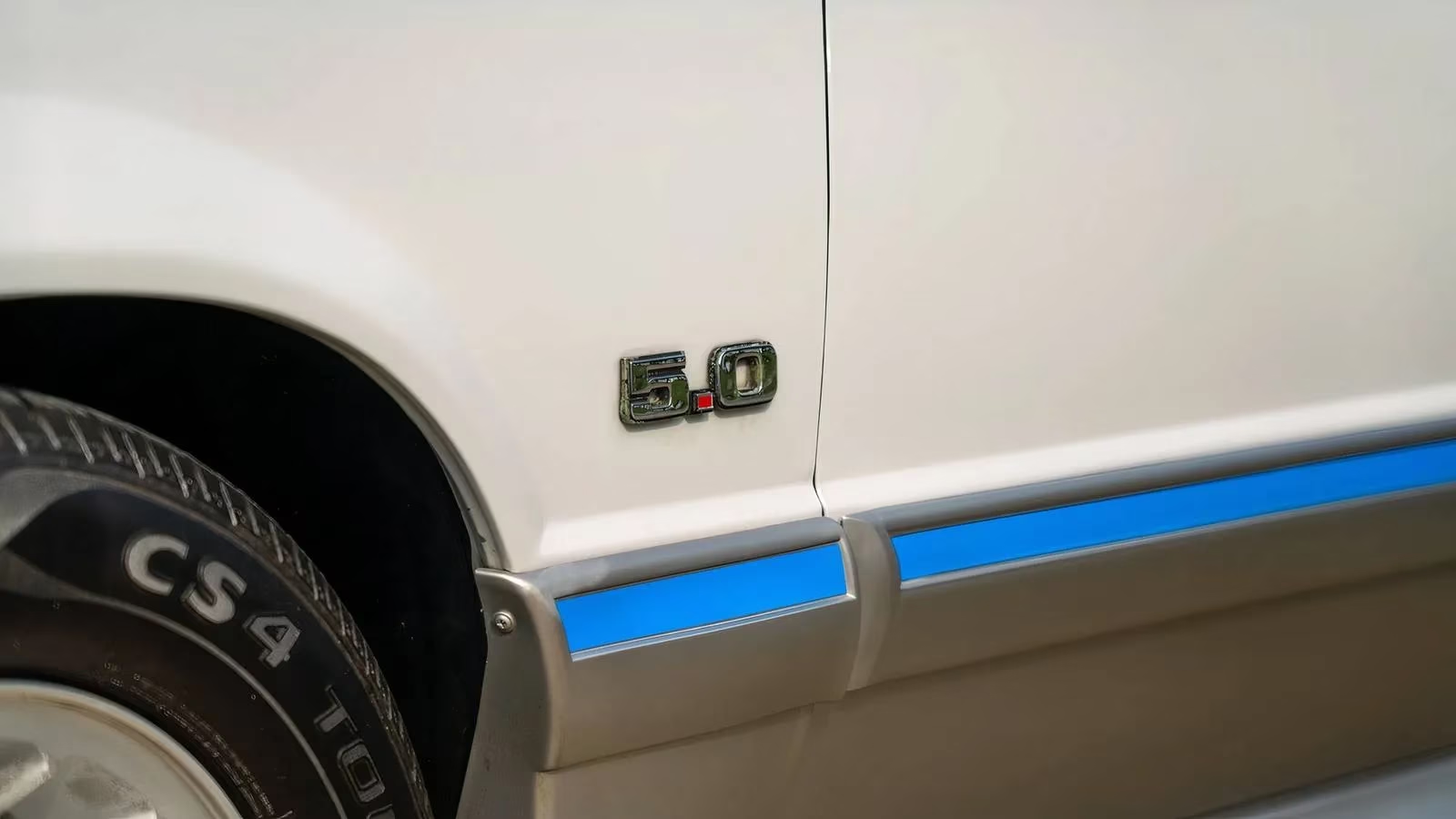
For Gen-Xers hitting driving age, these weren't just cars; they were rolling status symbols. Cruising in a Mustang 5.0 or an IROC-Z was the ultimate flex, as essential to the '80s experience as a mixtape or a Members Only jacket. But life, as it does, intervened. Careers, families, and the practical need for minivans and SUVs meant these dream machines were often traded in for something with more cup holders.
Fast forward to today. The kids are grown, careers are stable, and that mid-life itch for something fun and meaningful is strong. Gen-Xers are looking back at their formative years with serious nostalgia, and what better way to reconnect than with the car they coveted in high school? It's a powerful emotional driver, and it's creating a massive wave of demand. This isn't just about buying a car; it's about buying back a piece of their identity. And hey, who can blame them?
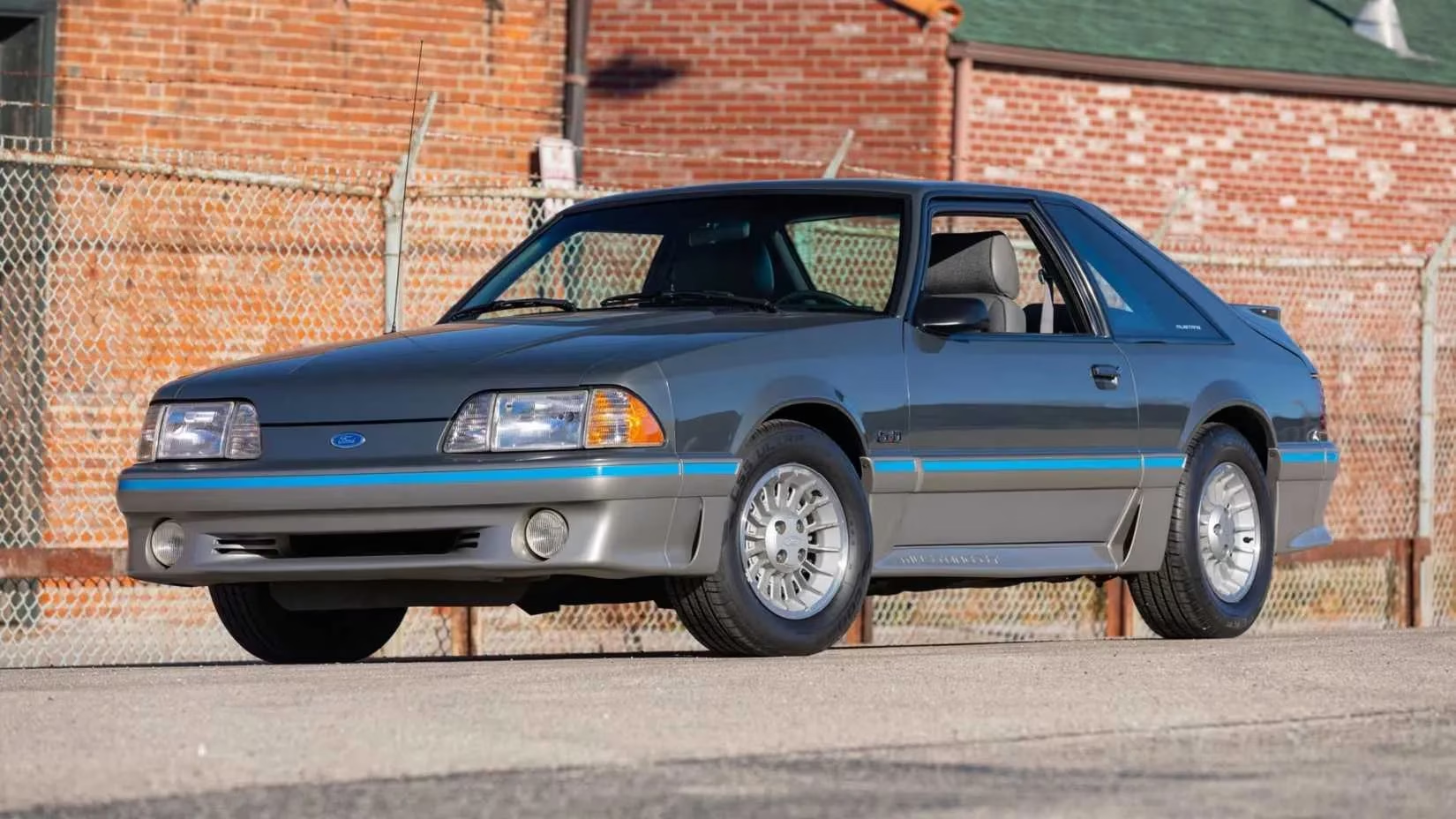
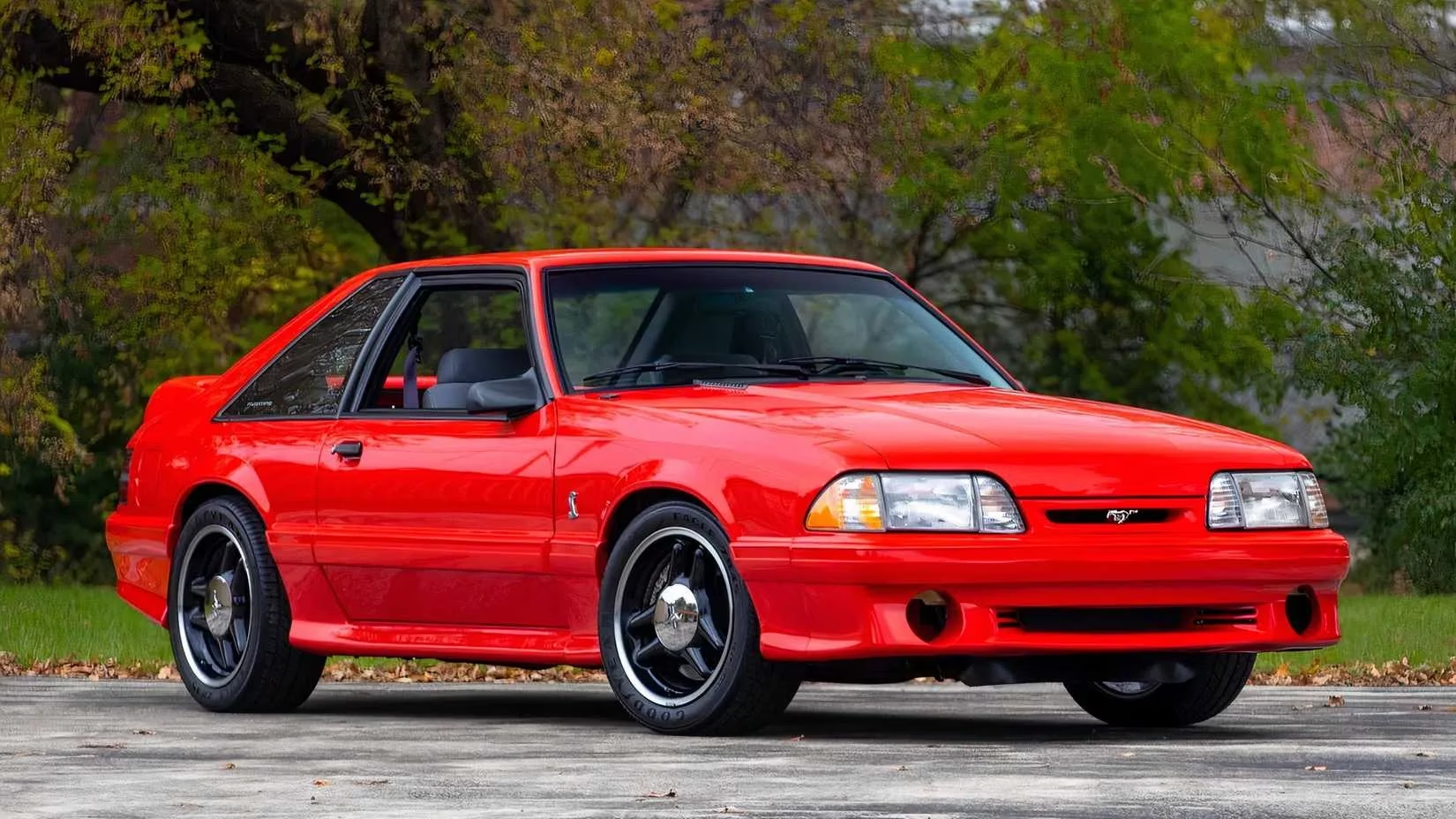
Let's talk numbers, because the market data tells a wild story. While common examples of the Fox Body Mustang (1979-1993) are still findable, the special ones are going bananas. The third-gen Mustang GT's value has skyrocketed 65.8% over the past five years. Clean '86 GTs are now commanding over $50,000 at auction. But the holy grail is the 1993 Mustang SVT Cobra. With a Hagerty Concours value knocking on $132,000 and rising—up 12.8% in just the last six months—it's clear this isn't a passing fad.
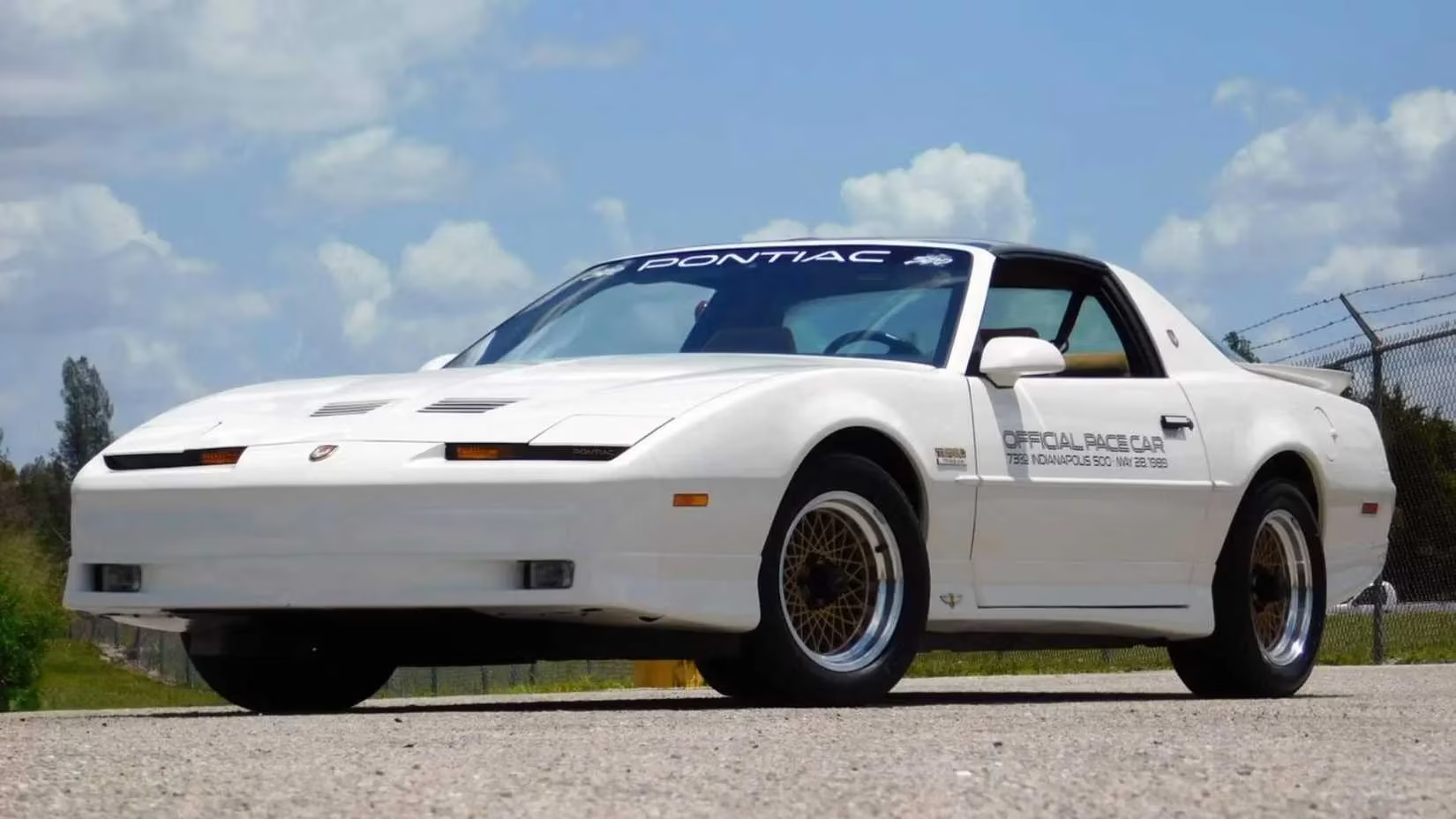
The story is similar for GM's icons. A run-of-the-mill third-gen Camaro might not break the bank, but try finding an IROC-Z or a special-edition Firebird for cheap. An 1987 Chevrolet Camaro IROC-Z sold for a staggering $84,700 at a 2025 Mecum auction. The IROC-Z model line has seen its value appreciate by 38.3% in five years. Even more niche, the 1989 Pontiac Firebird 20th Anniversary Trans Am with its turbocharged V6 recently fetched $96,500, proving there's serious money in the details.
Then there's the king of the '80s muscle hill: the Buick GNX. Starting as the Grand National—a car that shocked everyone by being cool—the ultimate send-off was the 1987 GNX. This turbocharged terror could humble V8s of its day. Today, it humbles bank accounts. With a recent auction sale hitting $255,000, the GNX has officially surpassed the value of a classic 1970 Buick GS 455. The average Grand National ('82-'87) has jumped 30.2% since 2020. Not too shabby for a car once favored by "spunky grandpas."
But the nostalgia wave isn't just about stock restoration. Oh no. Gen-Xers are also fueling a massive resto-mod scene. The thought process is genius: get the iconic shell of your teenage dream car, but stuff it with modern performance. Imagine a Fox Body Mustang or a third-gen Camaro with a 450+ horsepower modern crate engine, upgraded suspension, and modern brakes. You get the killer looks that turn heads and the performance that would smoke a brand-new sports car. It's the best of both worlds, and with donor cars still relatively plentiful, it's a hugely popular path.
This craze isn't happening in a vacuum. Pop culture is absolutely drenched in '80s nostalgia, largely because Gen-Xers are now the creators, showrunners, and directors. When a show like Stranger Things features a period-perfect Camaro or Twisted Metal makes a battle-ready IROC-Z the star, it doesn't just speak to Gen-X. It introduces these radical machines to Millennials and Gen Z, creating a whole new wave of fans. Suddenly, that boxy, aggressive design isn't "old"; it's retro-cool. The cultural cycle is complete: the generation that loved these cars is now making them cool for everyone else, and demand is soaring because of it.
So, what's the bottom line? The market for '80s and '90s muscle cars is white-hot, driven by a powerful mix of demographic timing, disposable income, and deep-seated cultural nostalgia. It's more than a trend; it's a full-blown movement. For collectors and enthusiasts, the message is clear: the era of the affordable '80s performance car as a blank canvas or a restoration project is rapidly evolving into a mature collector's market. The cars that defined a generation's automotive passion are now being recognized—and priced—as the icons they always were. The future for these machines looks bright, loud, and incredibly valuable.