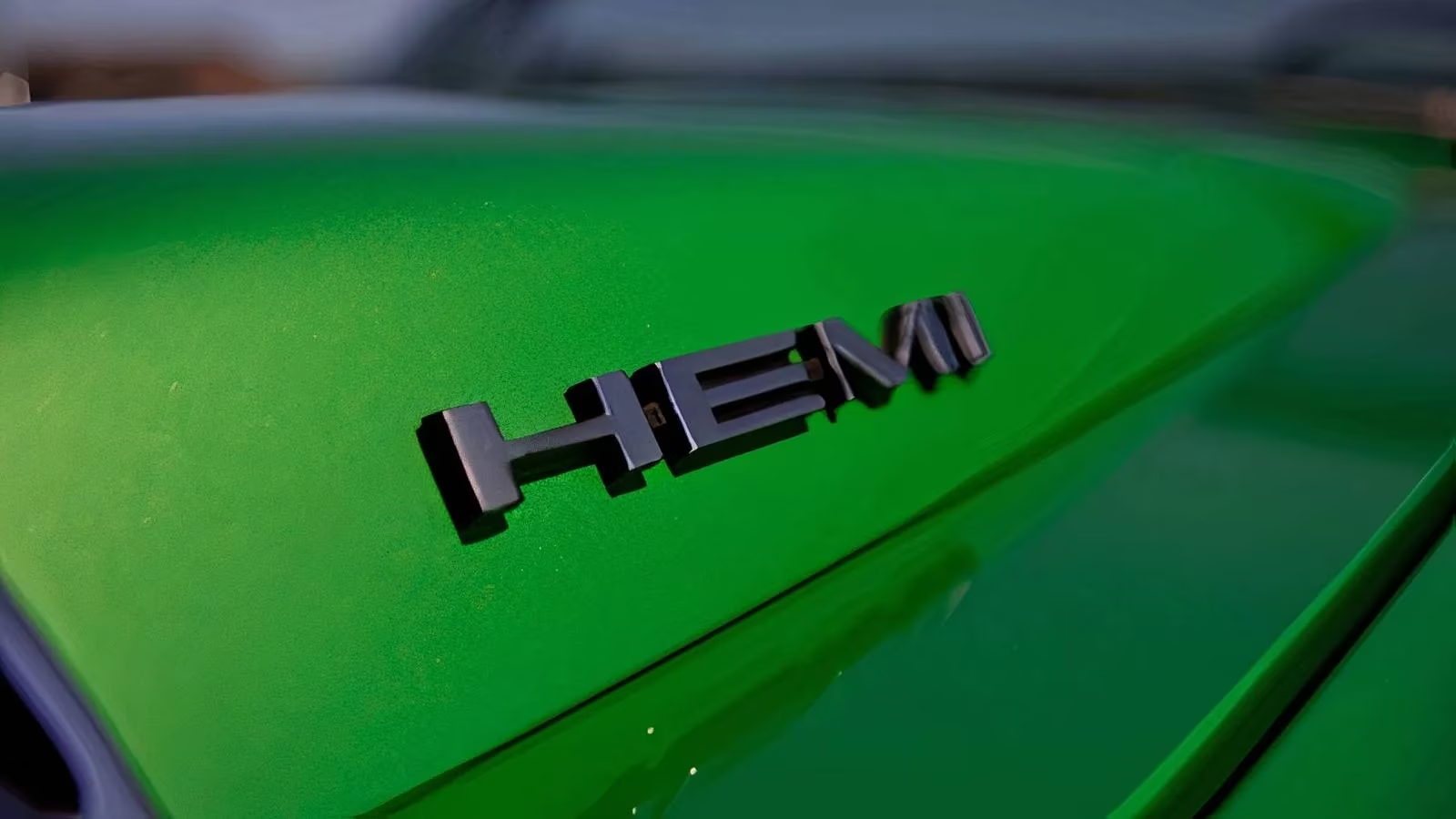
The 426 Hemi is, without a shadow of a doubt, one of the most legendary powerplants to ever rumble out of Detroit. An absolute monster of an engine for its day, this iconic V8 didn't just dominate the racetracks of NASCAR; it became the heart and soul of some of the greatest Mopar muscle cars ever conceived. Known as the "Street Hemi" in its road-legal guise, it was factory-rated at a formidable 425 horsepower and roughly 490 lb-ft of torque, though whispers in the garage always suggested those numbers were more than a little conservative. Racing versions were rumored to produce a mind-bending 650+ hp. What truly set the 426 apart was its unwavering character; it was never detuned and consistently delivered earth-shaking performance in every street model it graced. For gearheads in the late '60s and early '70s, a Hemi under the hood was the ultimate status symbol, a ticket to guaranteed victory at the stoplight grand prix. If you were hunting for that raw, unadulterated power in a Dodge back in the golden era, your options, while exclusive, were nothing short of spectacular.
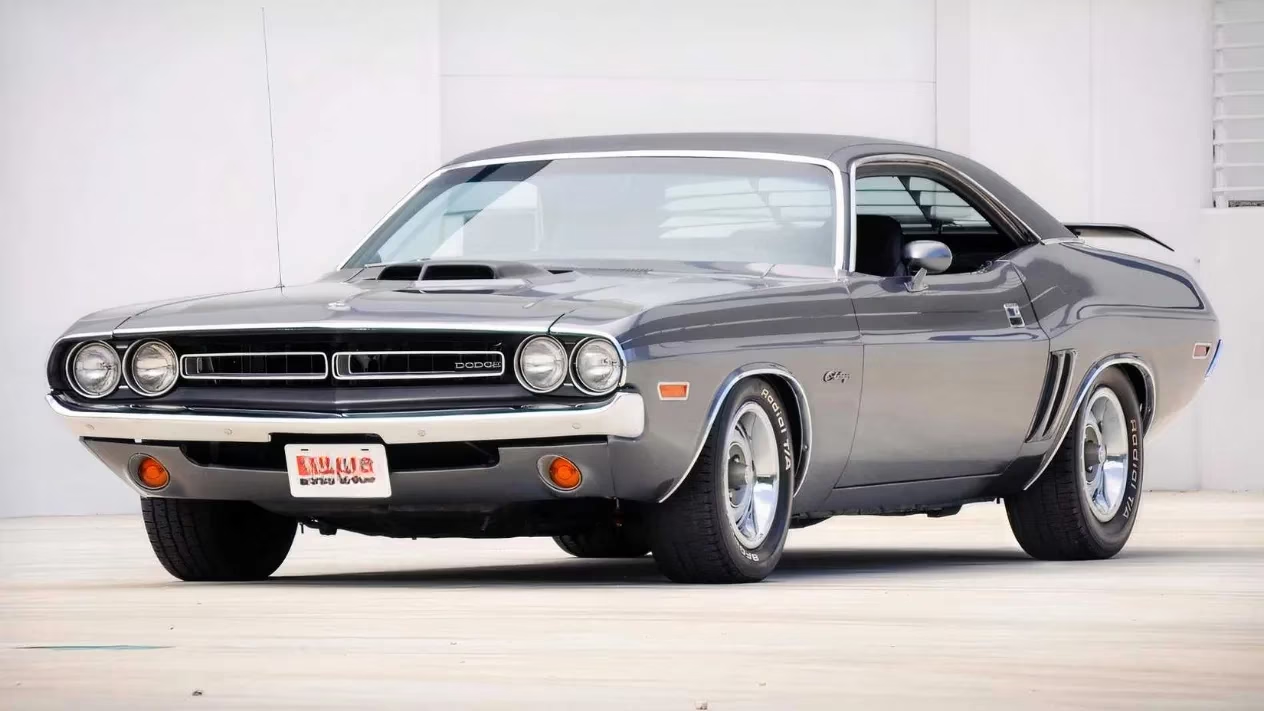
1. Dodge Challenger (First Generation, 1970-1971)
Kicking off the list is a car whose looks have aged like a fine wine 🍷. The first-generation Dodge Challenger remains one of the best classic muscle cars ever designed, and its engine lineup was the stuff of dreams. The 426 Hemi V8, pumping out its full 425 hp, was offered as a pinnacle option, but here's the kicker: it was only available for the 1970 model year and exclusively in the top-tier Challenger R/T trim. Sadly, the Hemi's reign in the Challenger was brief, lasting just two model years before succumbing to the industry-wide shift spurred by tightening federal emissions regulations. The writing was on the wall; to meet the new standards, these big blocks would have had to be toned down so much that Dodge opted to replace them with smaller, more efficient high-performance V8s.
2. Dodge Charger (First Generation, 1966-1967)
Talk about making an entrance! The classic Dodge Charger is an all-time legend, and the first-gen model came out swinging. Available with the 426 Hemi right from its launch in 1966, this engine was a huge part of Dodge's successful foray into NASCAR, where David Pearson piloted a Hemi-powered Charger to a championship win that very year. On the street, owners got the "Street" Hemi, but let's be real—that 425-hp figure was no joke. If you rolled up to the lights in one of these in the mid-to-late '60s, you were basically the king of the road 👑.
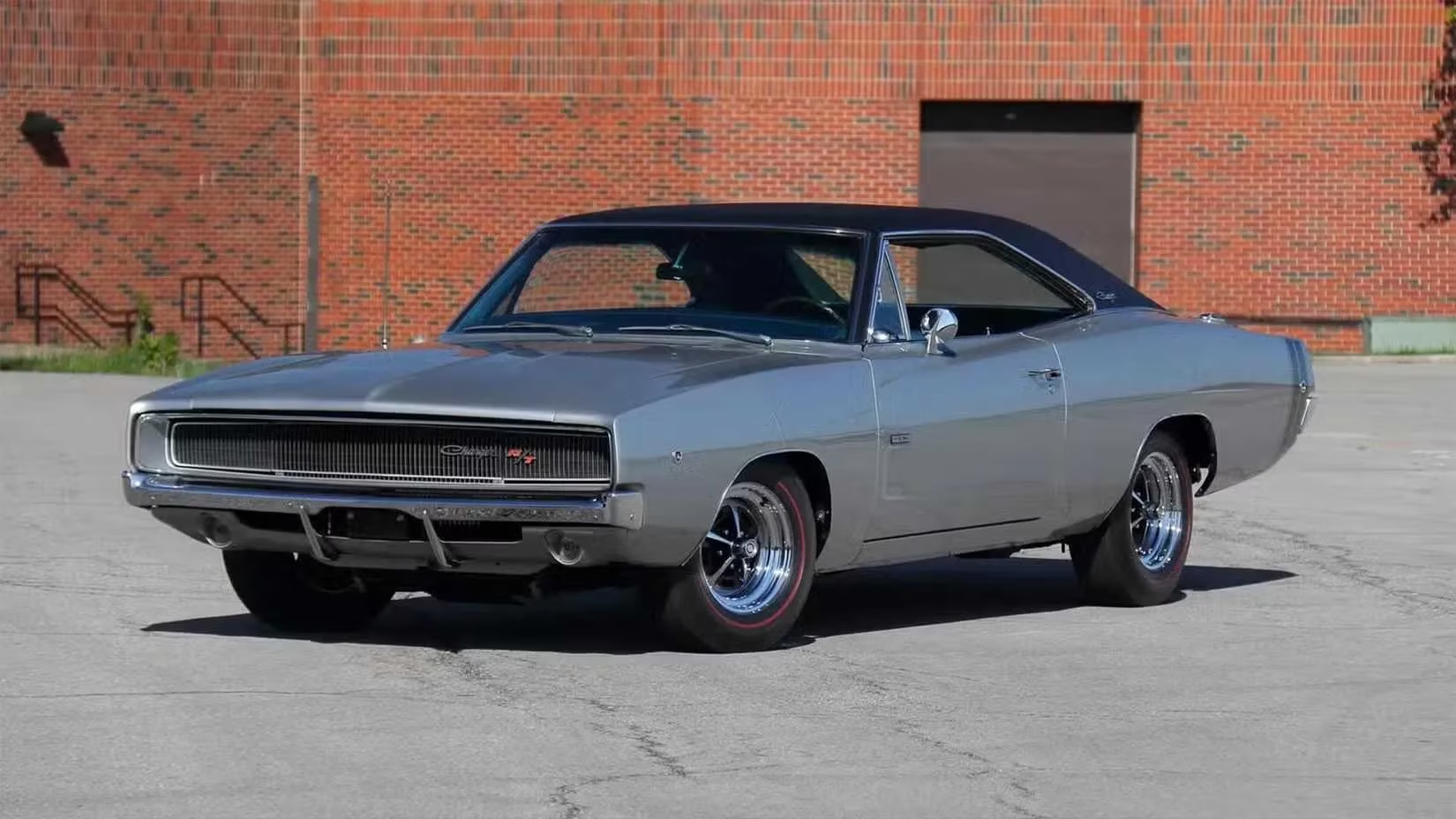
3. Dodge Charger (Second Generation, 1968-1970)
This is the one. The second-generation Charger achieved iconic, era-defining status, thanks in no small part to its villainous role in the film Bullitt. Its fastback silhouette became instantly recognizable. Under that iconic hood, the 426 Hemi was available for the entire production run as an optional engine in the R/T trim and also in the no-nonsense Super Bee model. Both trims are highly coveted by collectors today, but finding one with the Hemi option is like finding a needle in a haystack—a very fast, very loud needle.
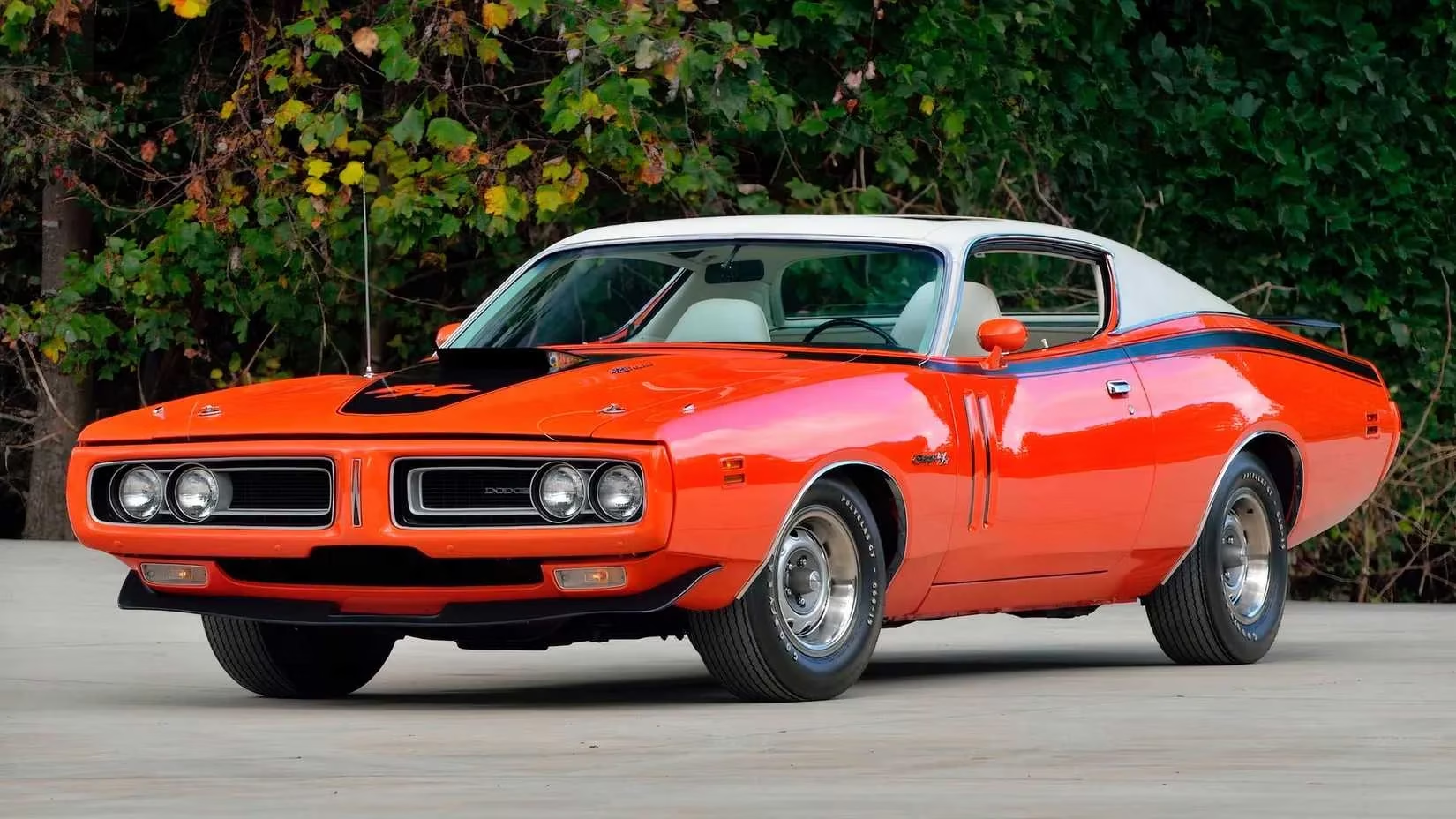
4. Dodge Charger (Third Generation, 1971-1974)
The third-generation Charger is often considered the last of the 'proper' classic Chargers, and it also marks the end of the line for the 426 Hemi in this model. A new branding logic for Dodge's B-body cars meant all two-doors were now Chargers, solidifying its position as the brand's premier two-door muscle car. However, the Hemi's time was running out. It was only offered for the 1971 model year before the tightening emissions regulations, the same ones that doomed the Challenger's Hemi, finally pulled the plug on the era of ultra-powerful big blocks.
5. Dodge Charger Daytona (1969)
This wasn't just a car; it was a statement. The Charger Daytona was a homologation special, a limited-production, wildy aerodynamic beast built for one purpose: to dominate NASCAR. And dominate it did, famously becoming the first car to break the 200 mph barrier in NASCAR competition 🏁. At its heart was, of course, the 426 Hemi. Its reign was short-lived, as NASCAR quickly banned these "aero cars" in the early 1970s, but its legacy as a speed icon is forever cemented.
6. Dodge Coronet & Super Bee (Fifth Generation, 1965-1970)
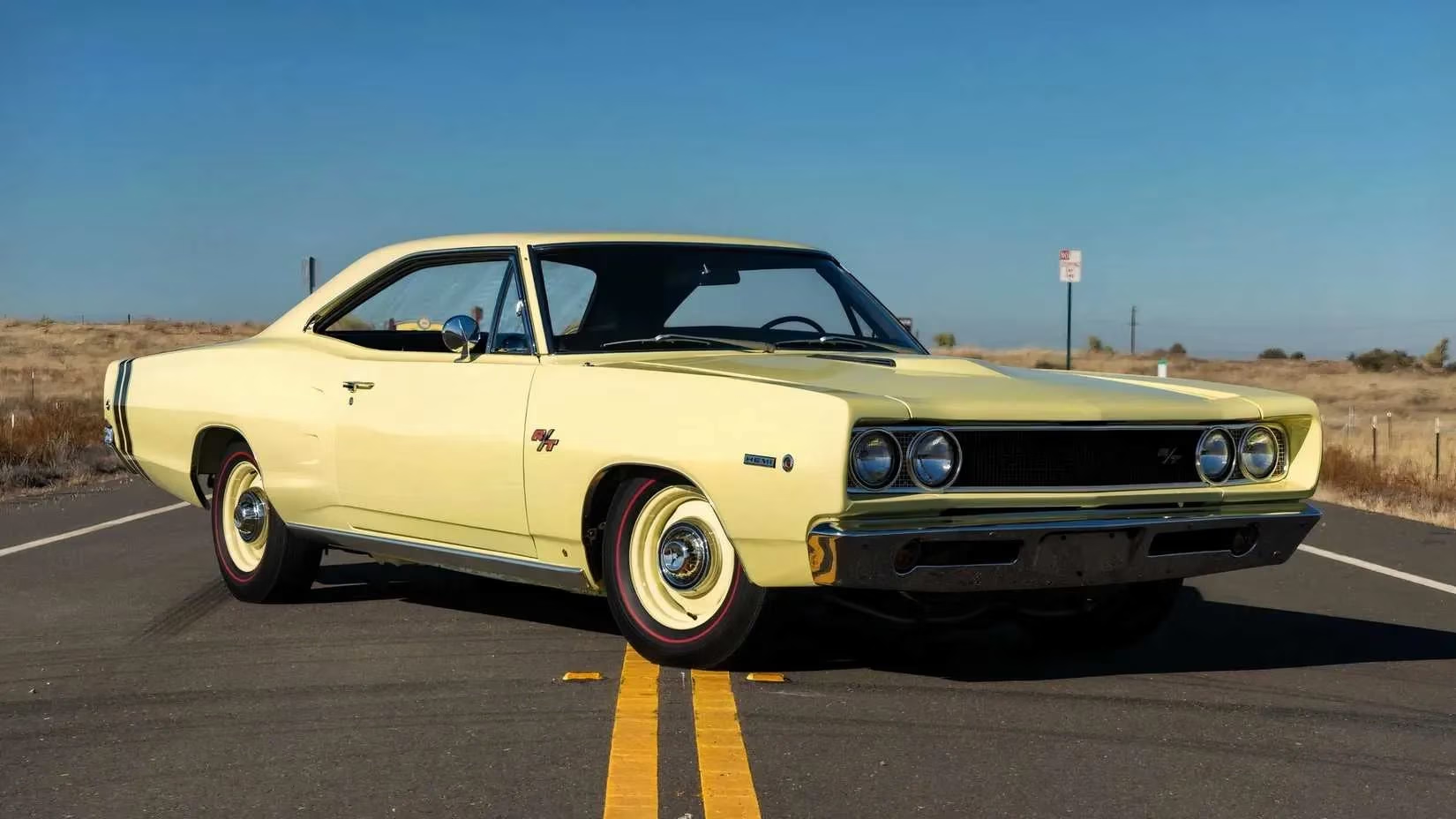
The fifth-gen Coronet is a Mopar legend in its own right, boasting clean, aggressive lines. It offered a smorgasbord of engine options, but the 426 Hemi was the crème de la crème, reserved for the most serious performance trims:
-
Coronet 500 (1966–1967)
-
Coronet 440 (1966)
-
Coronet R/T (1967–1970)
And then there's its rowdy sibling, the Dodge Super Bee. Born from the Coronet platform but marketed as its own stripped-down muscle machine, the Super Bee could also be ordered with the Hemi. Dropping a 426 into either of these cars created a street-legal rocket ship that could humble far more expensive machinery.
7. Dodge Dart LO23 "Hemi Dart" (1968)
Now for the dark horse—or perhaps the wolf in sheep's clothing. The humble Dodge Dart isn't typically a collector's darling, but there is one exception that makes enthusiasts go weak at the knees: the LO23, better known as the Hemi Dart. This was a limited-production, drag-racing monster 🏎️💨. It came exclusively with the 426 Hemi and was so heavily modified for racing that it bore little resemblance to the Dart GTS it was based on. The philosophy was simple: add power, subtract weight. It featured lightweight fiberglass body panels and had all luxuries—radio, A/C, even the rear seats—stripped out. The result was a brutally focused, lightweight missile that terrorized drag strips.