I have lost count of the virtual jet cars I have driven in racing games, but the real 1963 Chrysler Turbine Car still feels like a glitch in automotive history. In 2026, as electric crossovers dominate headlines and software updates often matter more than displacement, I keep returning to a bronze coupe from Detroit that ran on a gas turbine, not a piston engine. It was strange, futuristic and road-legal. Chrysler built 55 examples and handed them to ordinary drivers. That decision alone makes the Turbine Car one of the boldest experiments ever backed by a major American automaker.
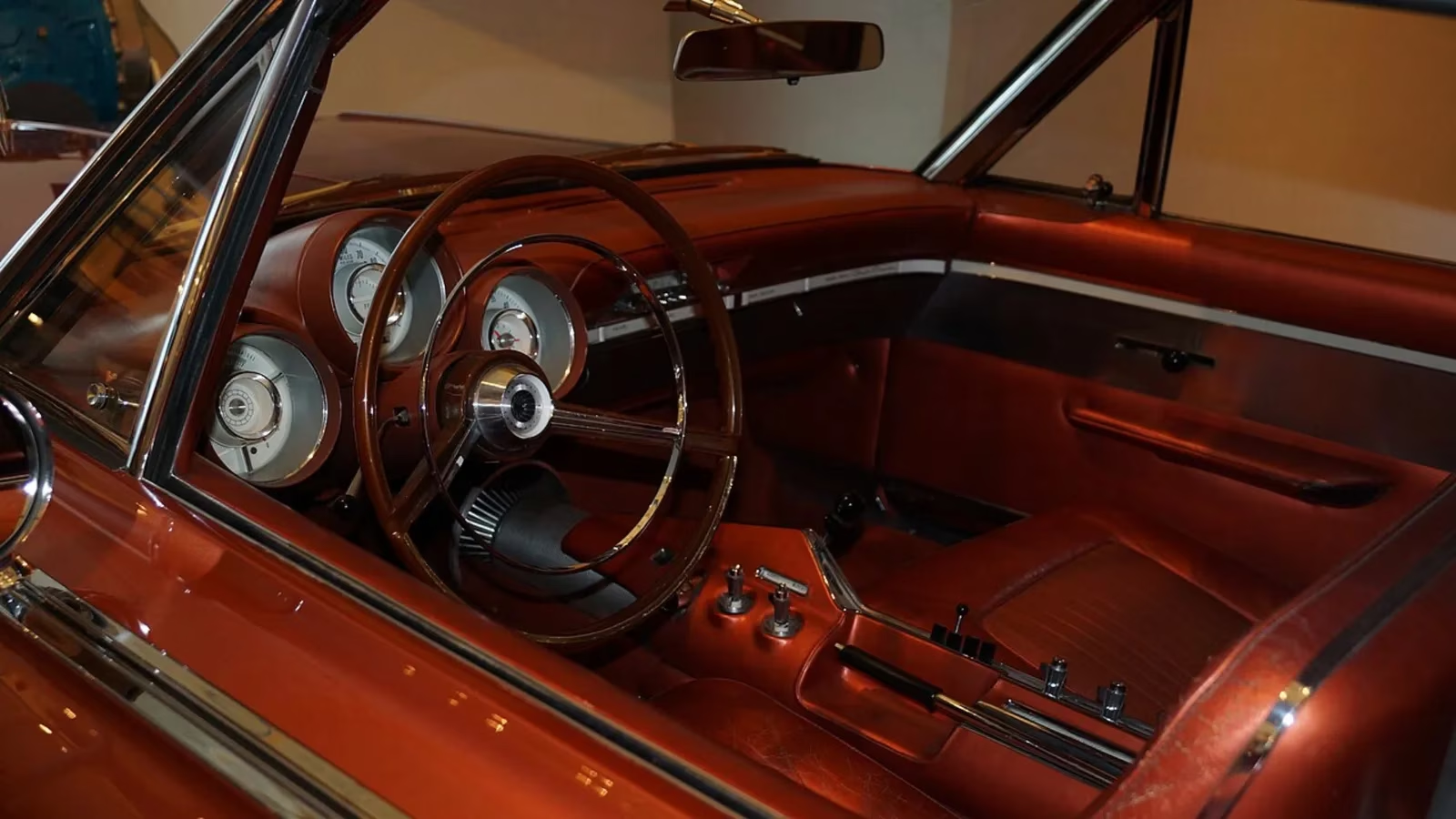
A Jet-Age Muscle Coupe That Actually Hit the Road
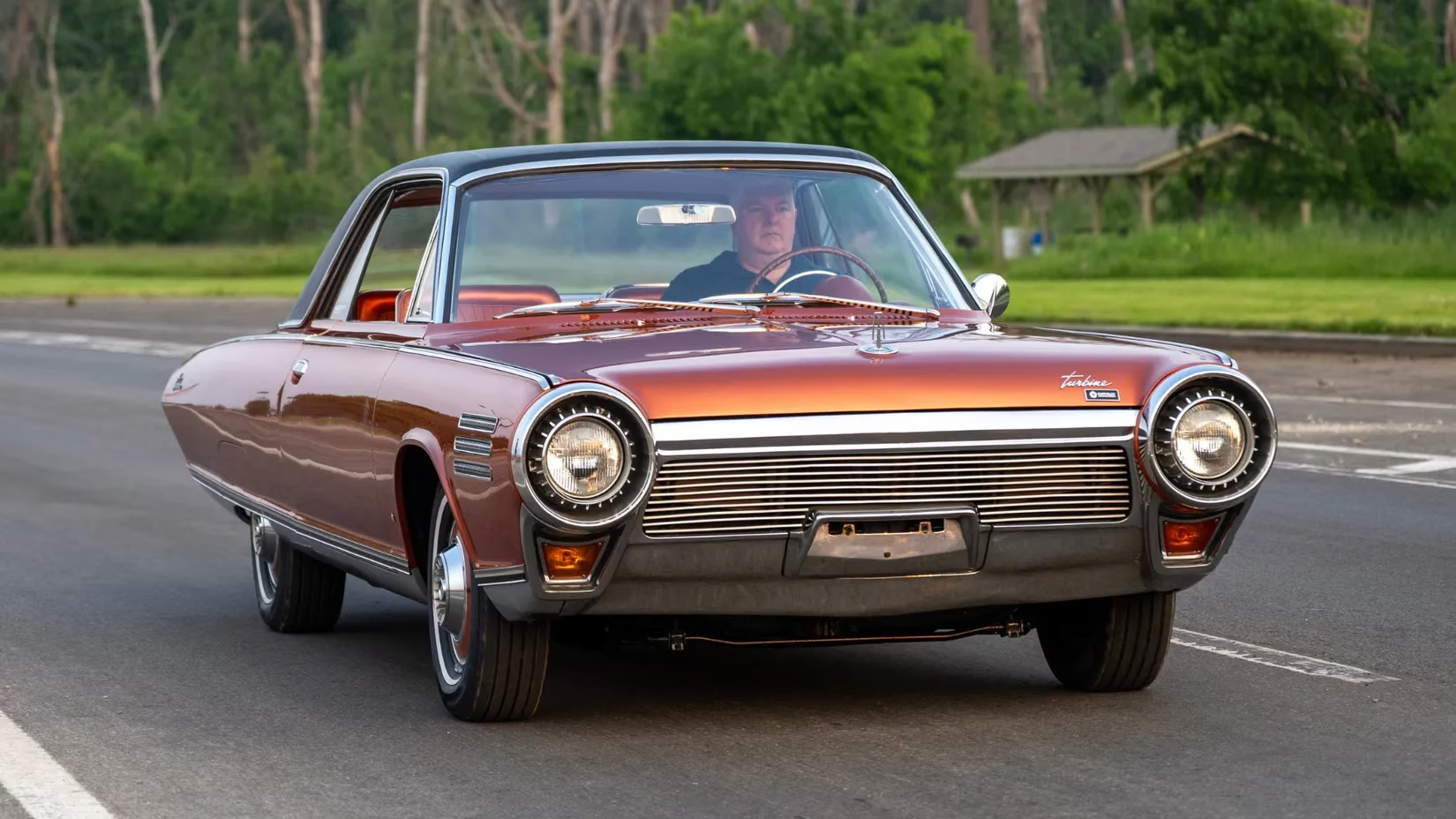
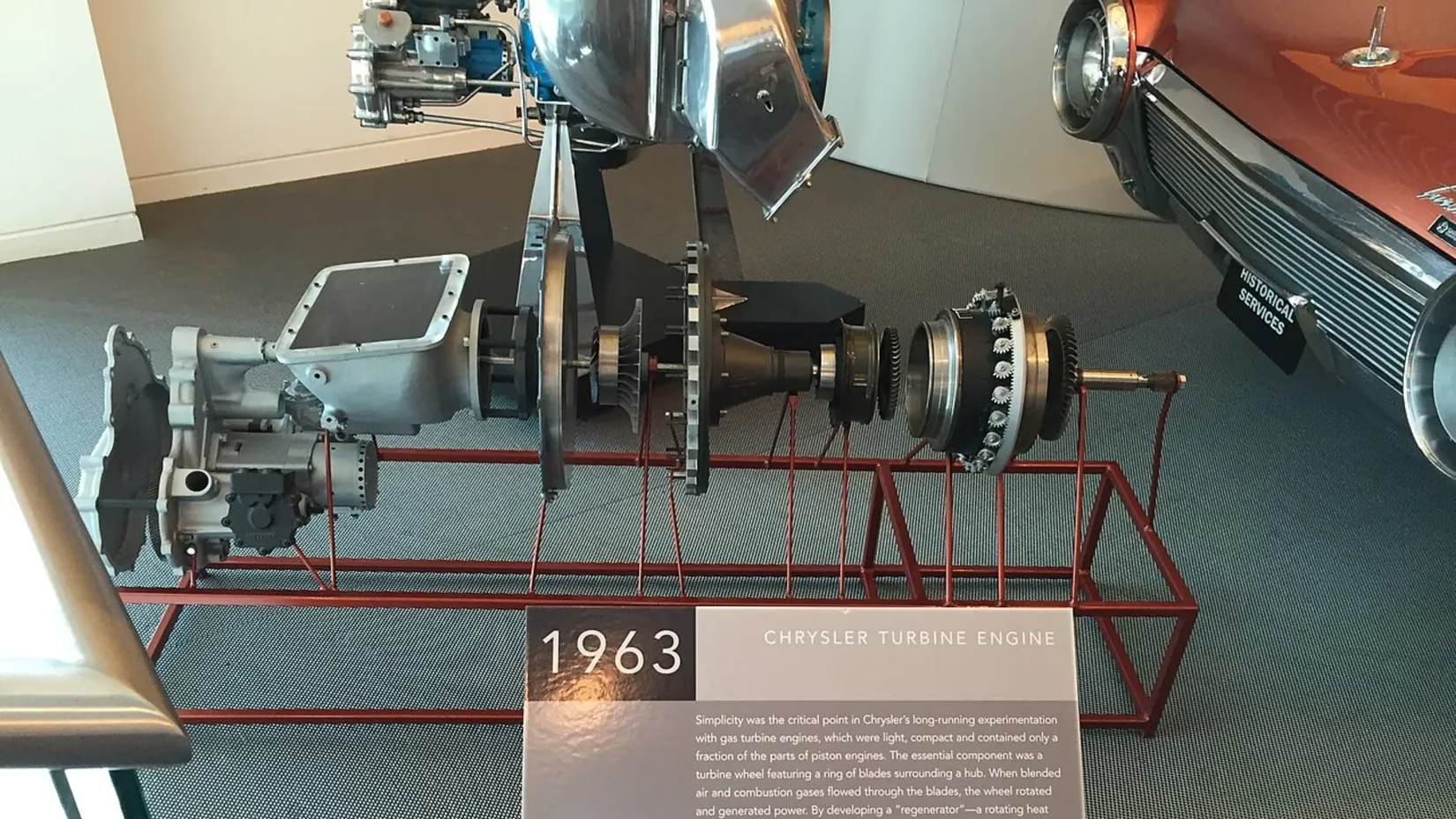
The official name was Chrysler Turbine Car, and it arrived in 1963 during the heart of America's muscle car era. While rival brands were selling V8 coupes with stripes and big carbs, Chrysler went in a completely different direction. The Turbine Car looked like a sleek luxury muscle coupe, but under the sheetmetal it was a rolling laboratory. It shared technology similar to jet aircraft, yet it was not a true jet engine. The key difference was a second-stage power turbine with a 10:1 gear reduction, which slowed the primary turbine's 40,000 to 50,000 rpm output down to a speed the rear axle could handle. According to Hagerty, that second stage transformed raw engine output into usable torque and tuned the powertrain for street use.
Chrysler did not build show queens only. It built 55 cars and enrolled 203 drivers across 133 U.S. cities from October 1963 until January 1966. Each driver got a three-month stint in a real turbine-powered car. I find that user-test program more impressive than many modern beta launches. Chrysler was not just showing a concept; it was letting commuters live with a jet-age experiment.
The Numbers Were Weird, and That Was the Point
The turbine engine needed no spark plugs, no pistons and no radiator. It delivered a steady 130 horsepower and 425 lb-ft of torque straight from idle, according to the Henry Ford Museum. It idled at a wild 18,000 rpm yet ran smoother than most V8s at cruising speed. Because it had just 60 moving parts, according to Legendary Collector Cars, it needed far less maintenance than a traditional piston engine. It could also run on just about any combustible fuel, including kerosene, diesel and even tequila.
| Spec | 1963 Chrysler Turbine Car |
|---|---|
| Engine type | Gas turbine, not a true jet engine |
| Power | 130 hp |
| Torque | 425 lb-ft from idle |
| Idle speed | About 18,000 rpm |
| Moving parts | About 60 |
| Fuel flexibility | Kerosene, diesel, tequila and more |
| Build total | 55 prototypes |
That flexibility sounded revolutionary, but the car was not fast off the line. Throttle response was silky rather than savage, and cold starts in sub-zero temperatures were effortless. In short, this was not a drag-strip weapon. It was a rolling showcase of what gas turbine technology could do when tuned for the real world.
Why the Dream Stalled
For all its futuristic promise, the Chrysler Turbine Car never made it past the trial phase. The problem was not that drivers hated it. Most participants in Chrysler's public test program were impressed. The problem was that building a jet-like car for the masses turned out to be a different challenge entirely. The biggest hurdle was emissions. The turbine engine produced high levels of nitrogen oxides, the pollutants regulators were just beginning to crack down on. On top of that, the car guzzled fuel in stop-and-go driving, and the turbine's sluggish throttle response made it less than ideal in traffic.
Then came cost. The exotic materials, the Italian-built bodies from Ghia and the limited supplier base made the Turbine Car expensive. With no clear way to scale production or bring costs down, Chrysler could not make the math work. The program was canceled, and 46 of the 55 units were crushed. Hemmings reported a suggested theory that Chrysler destroyed many cars to avoid paying import duties. Between emissions, production headaches and looming regulations, the most radical engine Detroit ever backed was quietly buried before it could go mainstream.
Nine Survivors and a Modern Rebuild
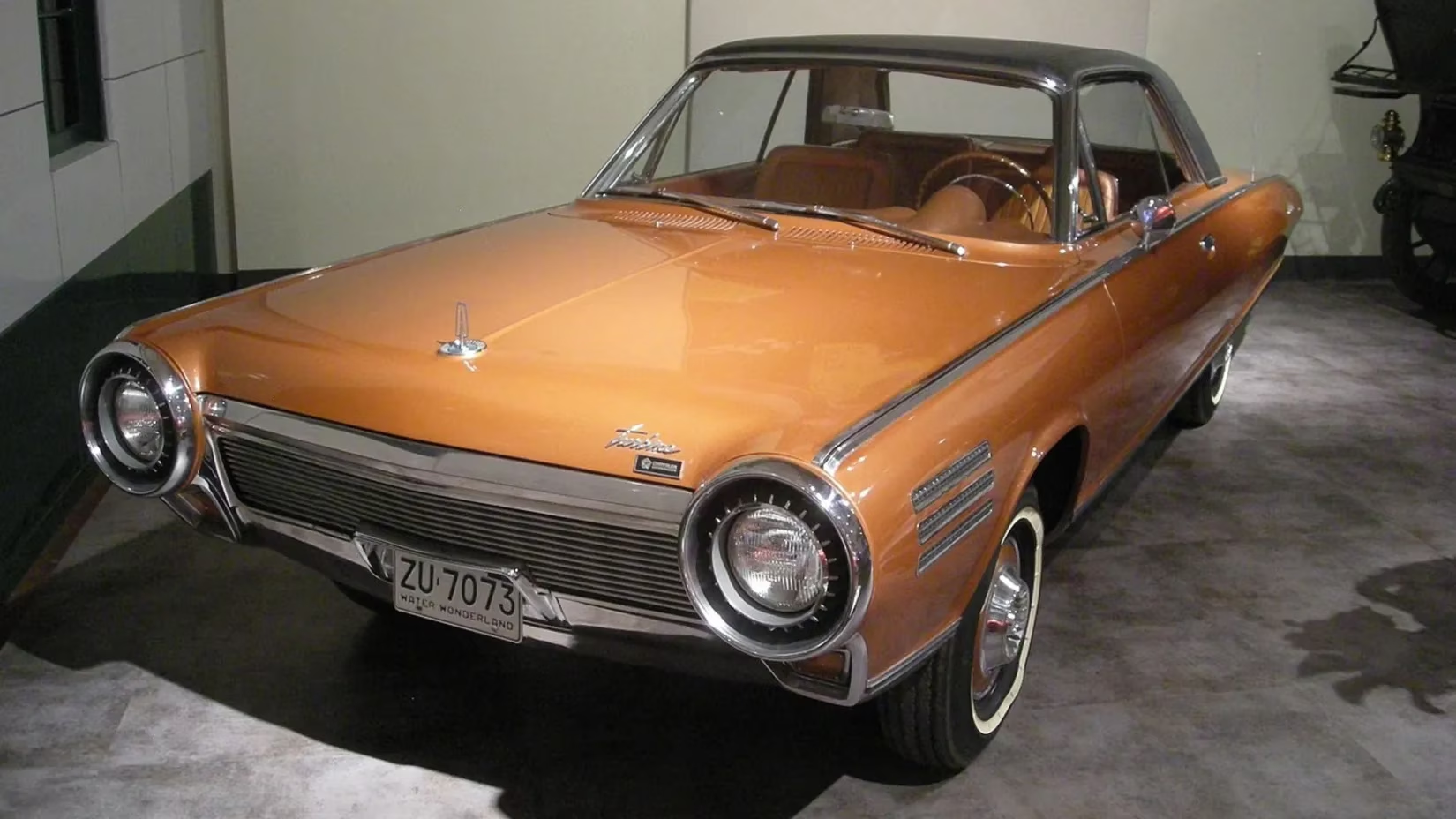
Decades later, the Chrysler Turbine legacy lives on in museums, collectors' garages and car-culture lore. Only nine of the original 55 survive today, making them celebrity-status rarities in the muscle car world. Here is where the remaining cars are known to reside:
| Location | Survivor status |
|---|---|
| National Museum of Transportation, Kirkwood, Missouri | Museum display |
| Detroit Historical Museum, Detroit | Museum display |
| Henry Ford Museum, Dearborn, Michigan | Museum display |
| Petersen Automotive Museum, Los Angeles | Museum display |
| Smithsonian Institution, Washington, D.C. | Museum display |
| Chrysler corporate collection, Auburn Hills, Michigan | Two cars |
| Jay Leno private collection, California | Private owner |
| Stahls Automotive Collection, Chesterfield, Michigan | Private collection |
Jay Leno purchased his Turbine Car from Chrysler in 2009. When its turbine seized, he turned to Williams International, the company founded by Sam B. Williams, the original designer of Chrysler's turbine engine. According to Mopar Insiders, Williams International helped Leno reverse-engineer and rebuild the engine using original blueprints and even 3D-printed new parts. Now fully functional again, Leno's Turbine cruises publicly and has appeared at the Woodward Dream Cruise. In 2026, that rebuild feels like preservation and hot-rodding in one.
My Takeaway
As someone who spends too much time in racing games and car-culture forums, I see the 1963 Chrysler Turbine Car as a prototype for ambition. It did not win drag races. It did not become a mass-market product. But it proved Detroit could think beyond the V8, even when the math and the regulators said no. Its story still spins heads at car shows, fuels speculation among gearheads and reminds me why concept cars matter. Chrysler never built a mass-market jet engine car, but every time the Turbine Car's story is shared, it still roars like a jet engine. The historical record draws on Hagerty, Hemmings, the Henry Ford Museum, Legendary Collector Cars, Mopar Insiders and Star Insure.