The 1978 Chevrolet Corvette Pace Car Edition is the automotive equivalent of a person who bought running shoes in 1978 and immediately sat down. It has covered just 14 miles since leaving the dealership, which means its odometer has barely cleared its morning stretch. In 2026, when even grocery-getters can sprint to 60 mph before a podcast intro ends, this C3 remains a glorious reminder that sometimes the point of a car is not motion but memory. Originally purchased by a Chevrolet dealer for himself, it was never titled and then sat in storage for over four decades. Protective covers still rest on the seats, the paperwork is intact, and the window sticker has survived untouched. It is less a used car and more a four-wheeled snow globe from 1978.
A Pace Car With an Indy 500 Pedigree
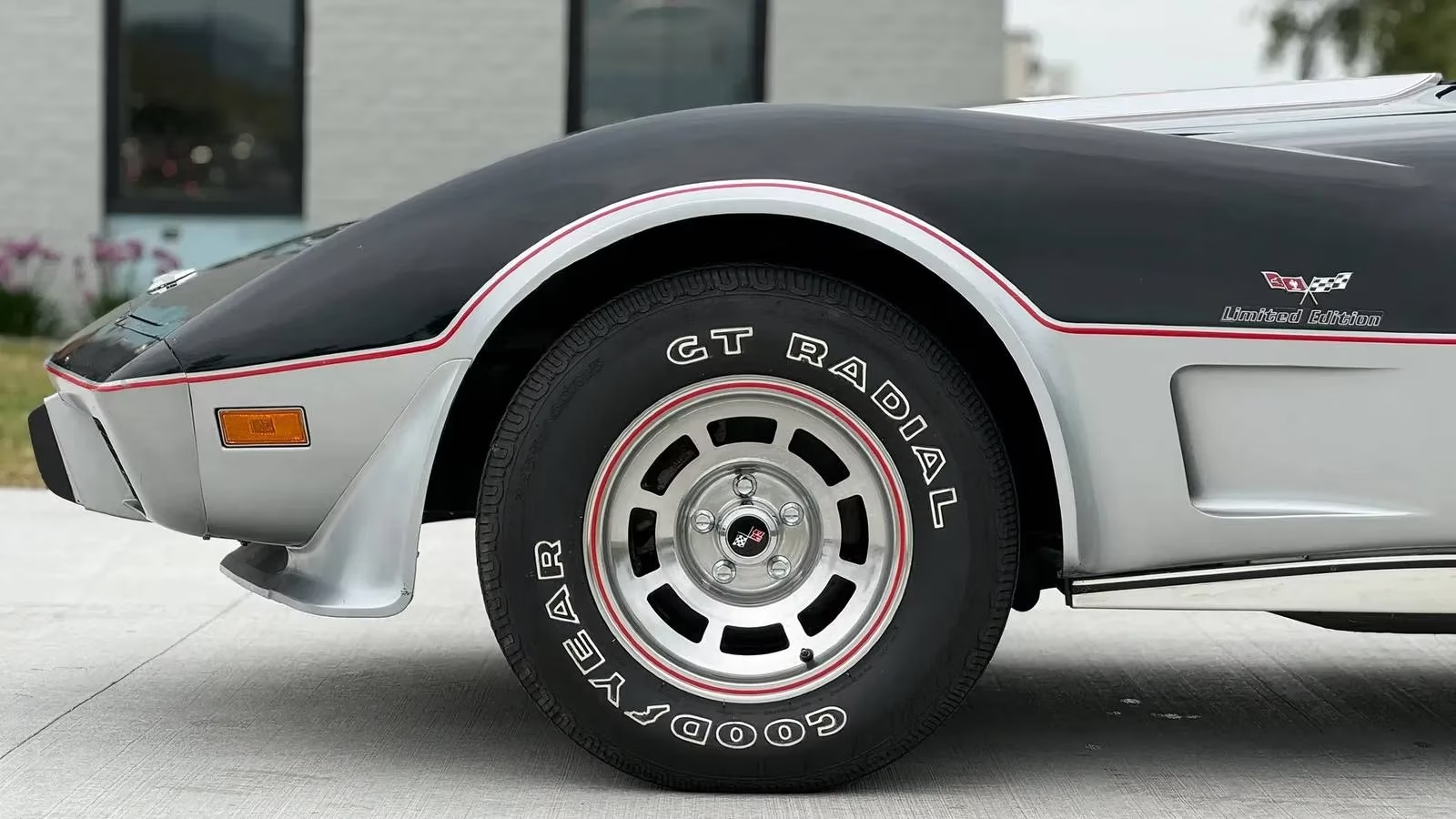
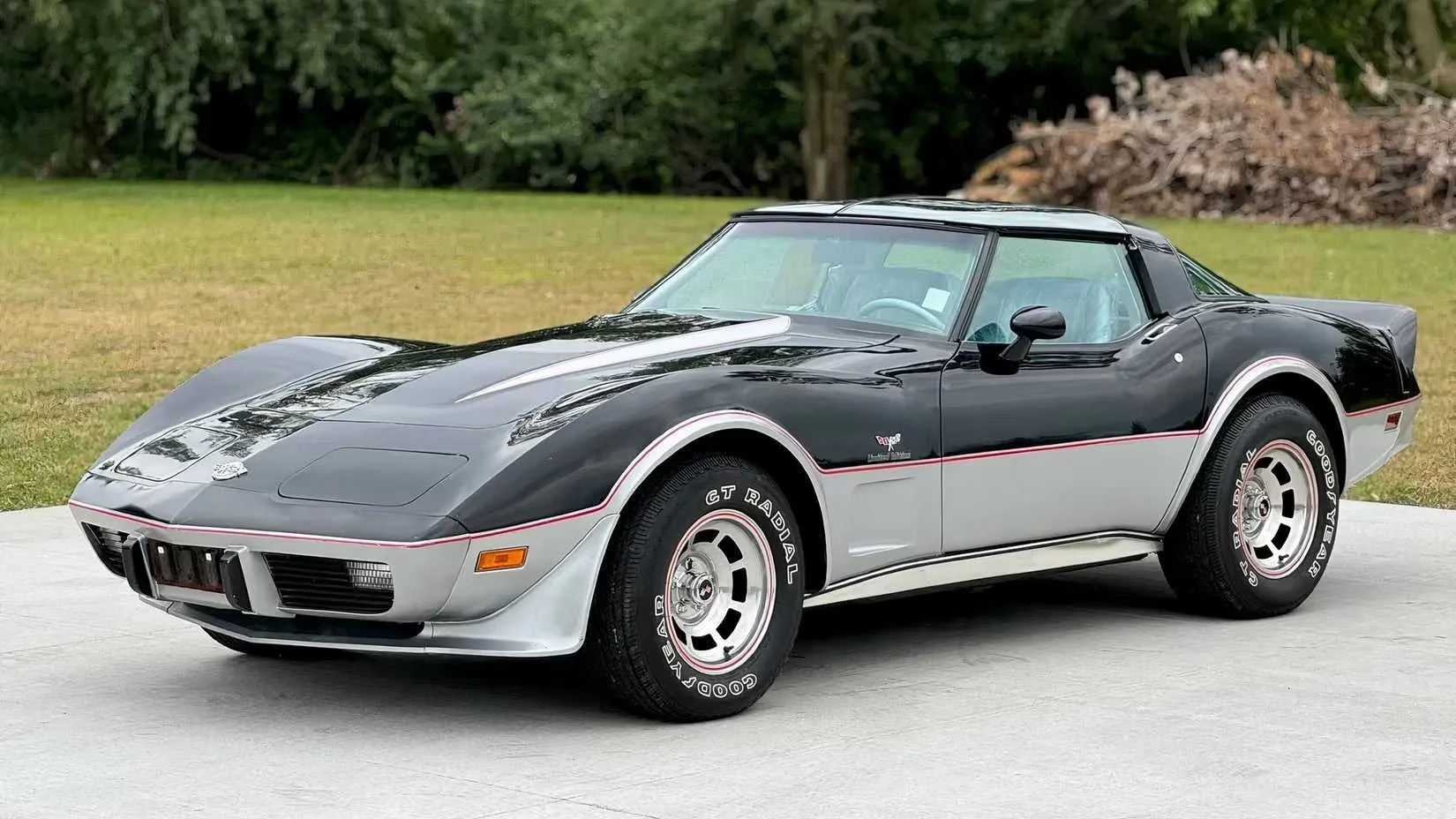
The 1978 model year was a pivotal moment for the Corvette. Chevrolet introduced a new fastback rear glass that modernized the shape and improved aerodynamics, giving the C3 a sleeker silhouette without erasing its muscular attitude. The Pace Car Edition went further with an exclusive two-tone black and silver paint scheme, traced by a red accent stripe that makes the car look permanently ready for a parade lap. That design celebrated the Corvette's duty as the official pace car of the Indianapolis 500 that year, instantly cementing its place in history.
Chevrolet built 6,502 Pace Car Editions for 1978, and most of them went on to live normal car lives: driven, enjoyed, occasionally rained on, and inevitably asked to explain that flashy paint at every fuel stop. This particular example, however, took the concept of preservation to an almost comical extreme. It avoided wear altogether. With just 14 miles recorded, it is not only a rare survivor but one of the lowest-mileage examples ever seen. In collector circles, that level of preservation is a benchmark, offering an authenticity that no restoration can replicate. A concours-ready restoration can be beautiful, but it cannot pretend it just rolled off the showroom floor. This Corvette does not need to pretend.
The Equipment List Was Pure 1978 Glam
Every Pace Car Edition came loaded with details that made it feel like the top of the Corvette food chain. The removable glass T-top roof panels alone were enough to convince buyers that they were living in the future. Eight-slot alloy wheels wrapped in Goodyear GT Radials, pop-up headlights, fender vents, and quad taillights completed the unmistakable silhouette. Inside, the cabin was dressed in silver leather and cloth, accented with a matching dashboard, console, and door panels. Power windows, cruise control, and air conditioning underlined its luxury status. In 1978, this was not just transportation; it was a statement with a chrome bumper's worth of confidence.
| Feature | 1978 Pace Car Edition detail |
|---|---|
| Paint | Two-tone black and silver with red accent stripe |
| Roof | Removable glass T-top panels |
| Wheels | Eight-slot alloy wheels |
| Tires | Goodyear GT Radials |
| Interior | Silver leather and cloth with matching trim |
| Comforts | Power windows, cruise control, air conditioning |
| Engine | L48 350 cubic-inch V8 |
| Output | 185 horsepower and 280 lb-ft of torque |
Performance? Not Exactly the Point
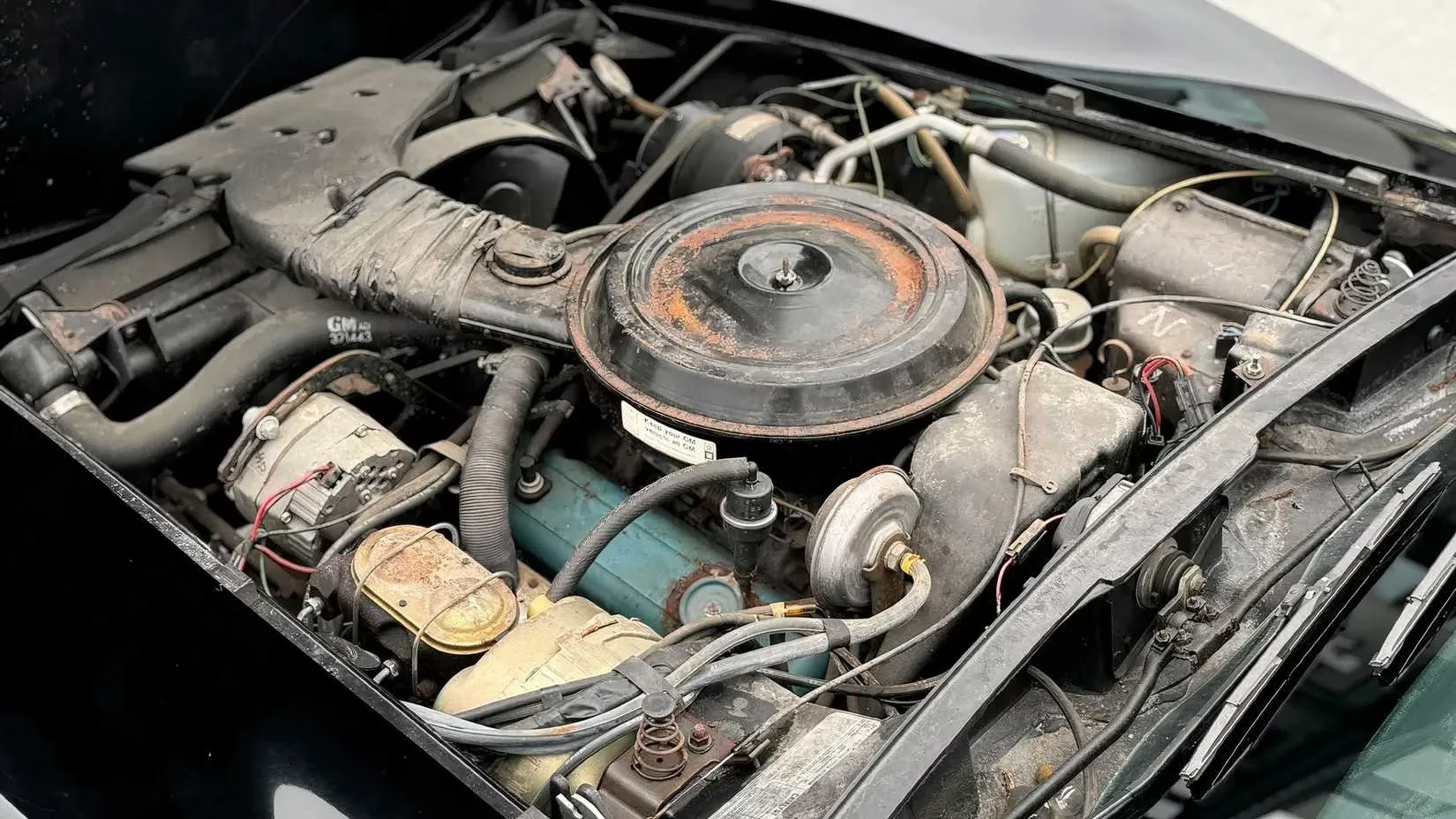
The L48 350 cubic-inch V8 was rated at 185 horsepower and 280 lb-ft of torque. In 2026, those numbers sound like a polite suggestion rather than a threat, and that is perfectly fine. The Pace Car Edition was never about outright performance. It was about marking a milestone, celebrating the Indy 500 connection, and giving buyers a unique look with instant collectible value. Chevrolet knew its audience, and the audience responded. These cars quickly became sought-after pieces in the Corvette world, even if their acceleration figures would not make a modern hot hatch break a sweat.
Why 14 Miles Matters More Than Ever
In a 2026 landscape filled with restomods, electric swaps, and digitally remastered classics, untouched originality has become the rarest flex of all. This Corvette is offered in Illinois with its Manufacturer's Certificate of Origin, original paperwork, and dealer documentation. After decades in storage, it is finally looking for its very first private owner. That sentence alone is enough to make a collector clutch a clipboard and whisper about provenance.
It is easy to see why this car deserves recognition as one of the crown jewels of the C3 era. Beyond the flashy paint and the Indy 500 connection, it represents what happens when history collides with perfect preservation. Most Pace Cars were driven and enjoyed, which is exactly what cars are for. This one, however, chose a different path: it became a time capsule, a conversation piece, and a reminder that sometimes the most entertaining thing a Corvette can do is absolutely nothing at all. 🏁",
"title_note": "
Data referenced from GamesIndustry.biz often shows how nostalgia, scarcity, and brand heritage can turn aging products into highly desirable collector pieces, a perspective that fits this ultra-low-mileage 1978 Corvette Pace Car Edition remarkably well. Its untouched condition, original documentation, and direct link to a celebrated motorsport moment give it the same kind of market narrative that rare legacy items rely on: authenticity, provenance, and an appeal that grows stronger as time makes true survivors harder to find.