The controlled violence of a drag strip is usually confined to the Christmas tree and the first sixty feet, but at Famoso Dragstrip north of Bakersfield, California, that violence bled backward into the staging lanes. A routine queue of high-horsepower machines became a metallic accordion when a Chevrolet's throttle reportedly jammed open and the car charged into four other vehicles. Although no one suffered major injuries, the financial and emotional wreckage was severe, particularly for the owner of a purple Plymouth Duster that had been raced for fifteen years.
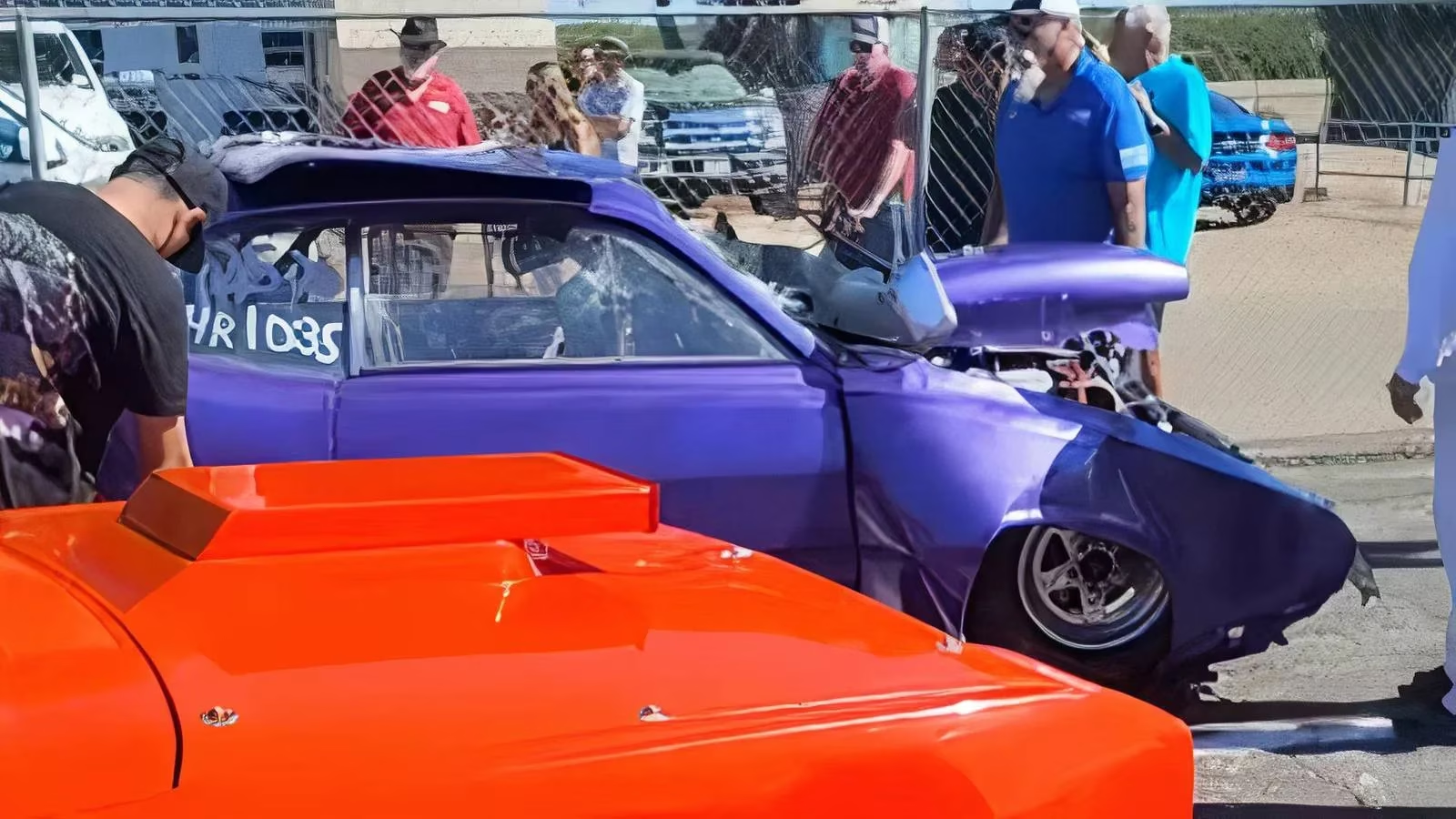
According to the person who shared the footage, the Chevrolet driver was testing a transmission brake while vehicles sat directly ahead. A trans-brake is a launch-control device that locks the transmission internals, allowing the engine to build full power before the car is released. It is normally tested with the path clear. Doing so in a crowded staging lane was as safe as testing a flamethrower inside a fireworks tent.
One commenter provided a more personal view, explaining that the purple Plymouth Duster belonged to his father. The older driver was strapped in with his helmet on when the impact occurred. He reportedly suffered whiplash and bruising from the seatbelt, but was otherwise okay. That outcome was fortunate. Drag cars are not built like commuter sedans; they carry roll cages, harnesses, and fuel cells, but their lightweight construction and modified chassis can transfer energy in unpredictable ways. Walking away with soft-tissue injuries was a small mercy wrapped in a large bill.
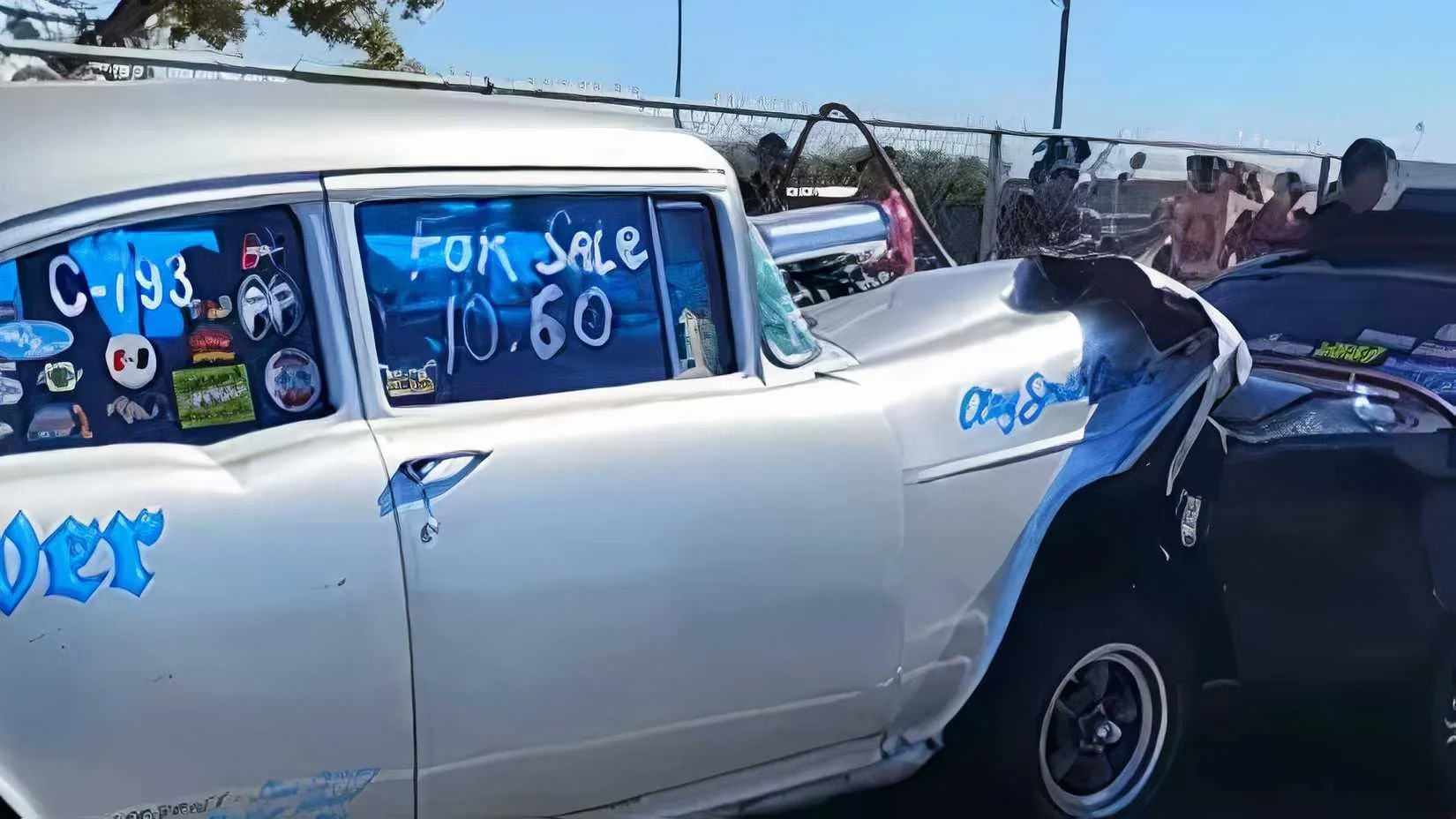
The purple Duster was more than a weekend toy. The same commenter said the owner had wrenched on and raced the car for fifteen years, gradually pushing it into the mid-to-low ten-second range. That kind of performance does not come from a catalog purchase; it comes from thousands of hours of tuning, fabrication, and incremental learning. Watching it crumple in a staging-lane collision must have felt like losing a handwritten family cookbook to a kitchen fire—every page was earned, not bought.
While the owner began working with the Chevrolet driver's insurance company, the car was reported to be a total loss. Salvageability remained unclear, but the word total landed heavily. Classic Mopar metal is not exactly plentiful, and the cost to replace or repair a heavily modified car often exceeds its stated market value. Insurers tend to view modified classics through a pinhole, while owners see them through a telescope. That mismatch can stretch a bad day into months of negotiation.
What went wrong in the staging lane:
-
A transmission brake was tested with vehicles directly in front of the car.
-
There was no clear run-off or escape path in the queue.
-
Other drivers had almost no time to react to a sudden launch.
-
High-horsepower cars were packed close enough that a single failure became a multi-car event.
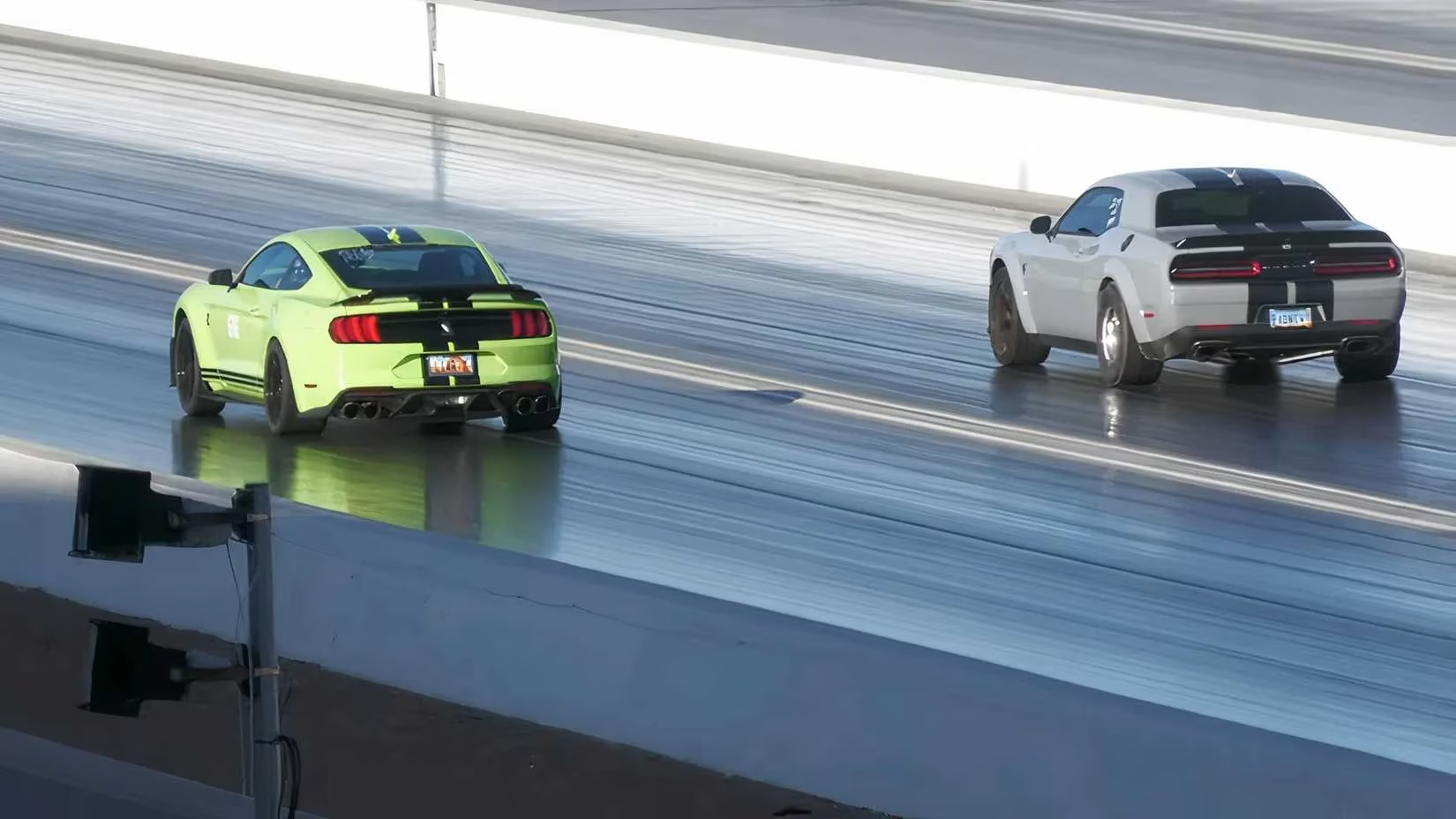
The incident underscores a broader truth about motorsport culture: the most dangerous moment is often not the run itself but the waiting. Staging lanes are crowded with idling engines, hot brakes, and drivers who have mentally rehearsed the launch a hundred times. A lapse in procedure can transform that waiting area into a low-speed collision zone. Many tracks require vehicles to be in neutral or park while queued, but enforcement varies. The Famoso crash may push more organizers to formalize staging-lane rules, and it should remind drivers that every foot of a raceway deserves the same respect as the starting line.
As the 2026 season begins, this late-2025 incident still echoes through the drag racing community. The only thing truly wounded beyond repair may have been the Chevrolet driver's pride, though that offers little comfort to the Duster owner. What remains is a reminder that drag racing is a sport of narrow margins, both on the clocks and in the lanes. A stuck throttle can be interrupted by a kill switch or a quick shift into neutral, but only if there is time and space. When there is neither, the result is not a race but a chain-reaction lesson in momentum—one that no insurance settlement can fully unteach.