In the pantheon of American muscle cars, some are legends, some are rarities, and a select few are both. The 1969 Pontiac Grand Prix SJ with a four-speed manual gearbox falls squarely into that last category. Even Jay Leno, the comedian and world-renowned car collector who has seen just about everything with an engine, confessed he'd heard whispers of this car but had never seen one in the metal. That all changed when owner Scott Mansour rolled up to Jay Leno's Garage in Burbank, California, having driven all the way from Cincinnati, Ohio. This was no trailer queen; this was a car that had been waiting decades for its moment in the sun.
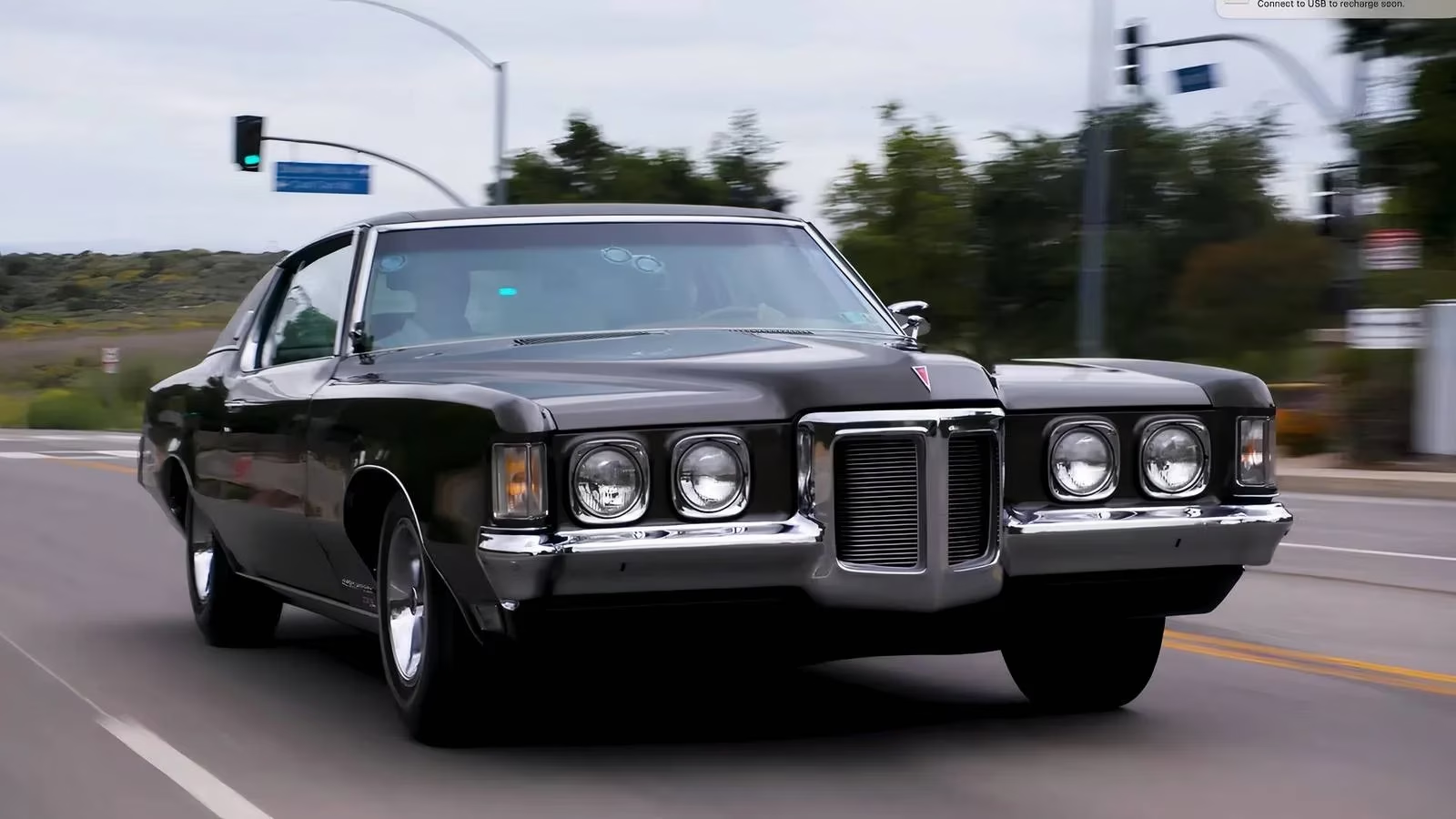
Back in the day, the Grand Prix SJ was nicknamed a "banker's hot rod." It blended the plush comfort of a full-size luxury coupe with the tire-shredding performance of a muscle car—essentially a grand tourer before the term became trendy. Pontiac built 112,486 units of the 1969 Grand Prix, but here's the kicker: a whopping 111,472 of them (about 99%) came with a three-speed automatic. Only 1,014 had a manual transmission, and just 676 of those sported the rare four-speed stick. Of those 676, only 302 were ordered with the biggest engine available: the 428-cubic-inch (7.0-liter) V8 rated at 370 horsepower. That's the combo in Scott's car, making it rarer than a hen's tooth.
The Hunt for a Four-Speed Unicorn
Scott Mansour's story is the stuff of gearhead dreams. He first met the car while on his honeymoon with his bride—yes, you read that right. While most newlyweds are focused on romance, Scott was focused on a Pontiac parked on jack stands in the original owner's garage. It had been sitting there for 27 years, with only 13,000 miles on the odometer. The owner had kept it off the road, preserving it like a time capsule. When Scott learned it had the four-speed manual, he knew he had to have it. A few months later, the deal was done, and the car was his.
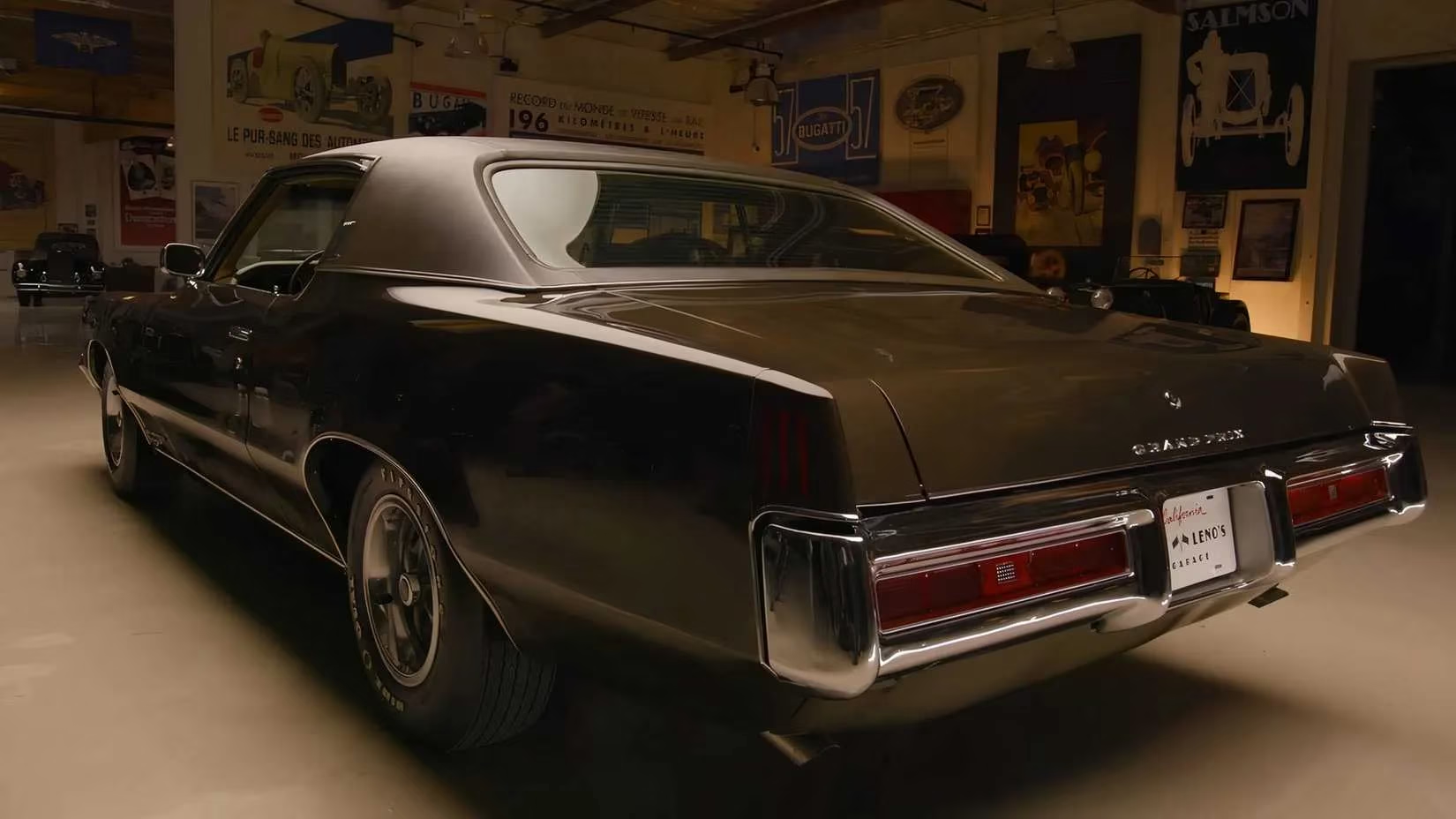
The SJ badge itself is a nod to the Duesenberg supercharged J model, the most powerful American car of the 1930s. With the 428 V8 under the hood, the Grand Prix SJ earned that moniker. And this particular car is even more special thanks to its Expresso Brown metallic paint, a color that probably wasn't the most popular choice back then but now makes it a true head-turner.
All Original, All Business
What makes this Grand Prix SJ even more remarkable is that it's all original. From the 428 engine to the factory vinyl roof and Mag Look wheels, nothing has been swapped or souped up. The SJ package brought plenty of goodies: power windows, tilt steering wheel, AM/FM radio, and optional climate control air conditioning—which, believe it or not, still works. That's a testament to the build quality and the care it received.
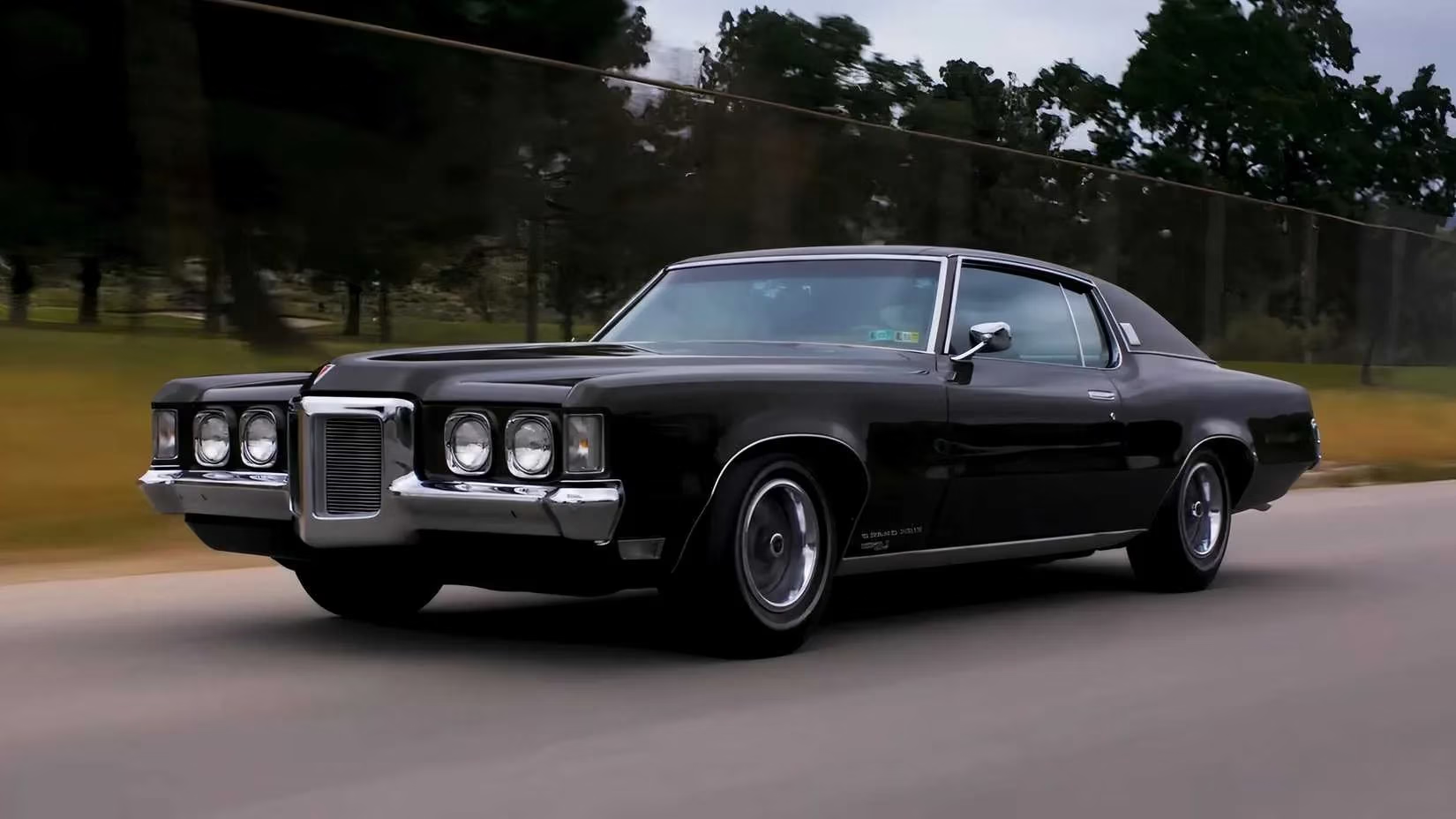
Jay Leno took it for a spin, and he was thoroughly impressed. He praised the low-end torque, the muscle car acceleration, and the overall comfort. The car delivers that classic big-block punch without sacrificing ride quality. Jay's advice to Scott? Drive it more than 50 miles a year. And we couldn't agree more. These machines are meant to be driven, not just admired.
The Cost of Rarity
But there's a catch. As Scott points out, replacement parts for these cars are about as easy to find as a needle in a haystack. If you get into an accident, you're in for a world of hurt. Jay, ever the optimist, noted that 3D-printing shops can work wonders these days. Still, it's a reminder that owning a rare classic comes with responsibility.
In 2026, the '69 Grand Prix SJ is rising in value on the classic car market. According to Classic.com, one example fetched $150,000 at auction last year. That's serious coin, and it's only going up. The third-generation Grand Prix, especially in SJ guise, is a great car—and it earns bonus points for being developed at the request of Pontiac's general manager at the time, a certain John DeLorean. Yes, that DeLorean.
So, what's the takeaway? If you ever stumble upon a four-speed 1969 Grand Prix SJ in a dusty garage, don't walk—run. It's a rare bird that even Jay Leno hadn't seen until now. And in the world of classic cars, that's saying something.