Looking back from 2026, the history of American muscle cars reads like a chronicle of glorious insubordination. I see it not as a series of corporate decisions, but as a movement driven by passionate engineers, daring racers, and visionary dealers who consistently refused to play by the established rulebook. From the 1960s through the 1980s, Detroit's corridors of power often echoed with strict edicts: certain engines were forbidden, horsepower was to be capped, and tightening emissions regulations threatened to choke performance into submission. Yet, against this backdrop of control, a select few machines slipped through the cracks, each one a defiant act that permanently rewrote the definition of raw, street-legal power. These weren't just cars; they were statements of principle, proving that ingenuity and passion could triumph over bureaucracy. Some openly defied their parent companies, others cleverly reinterpreted the term "street-legal," and a few created entirely new categories of performance. They were loud, visceral, and unapologetically disruptive, becoming legends the moment their tires first met the asphalt.
The Foundation of Factory Power: 1967 Shelby GT500
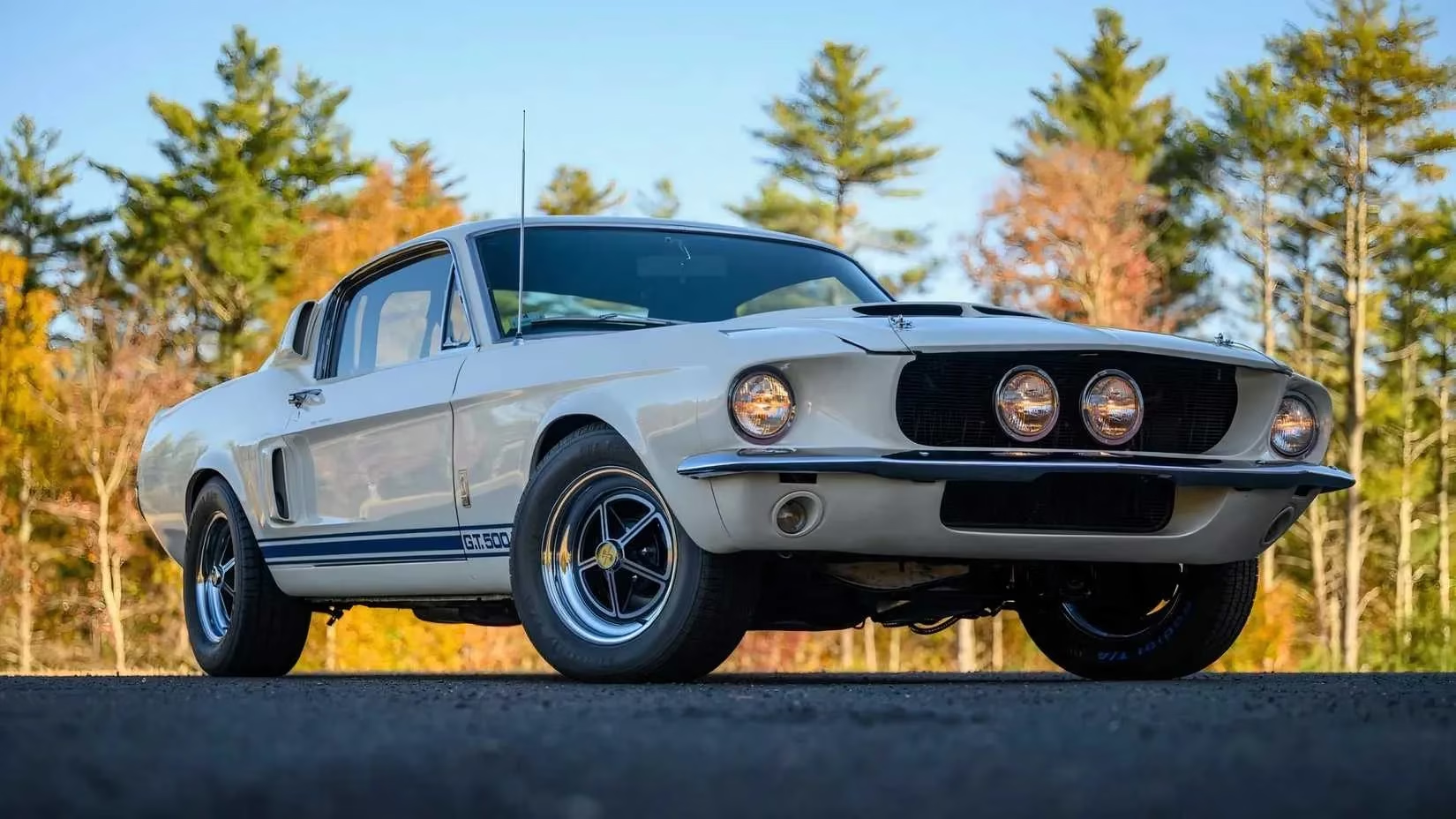
Carroll Shelby's 1967 GT500 represented a monumental leap in ambition for the Mustang lineage. It boldly replaced the GT350's engine with a monstrous 428-cubic-inch Police Interceptor V8, fed by twin four-barrel carburetors and backed by a heavy-duty suspension and race-spec brakes. This wasn't just an upgrade; it was a transformation. The result was a machine that masterfully blended brute-force torque with a surprising level of refinement. Ford's gamble paid off spectacularly, shattering the perception of the Mustang as merely a light, playful coupe. The GT500 proved it could stand shoulder-to-shoulder with the most serious muscle machines of its era, laying the foundational blueprint for every performance-tuned Mustang that followed and defining the very essence of factory-built power for decades.
The Spark That Lit the Fire: 1964 Pontiac GTO
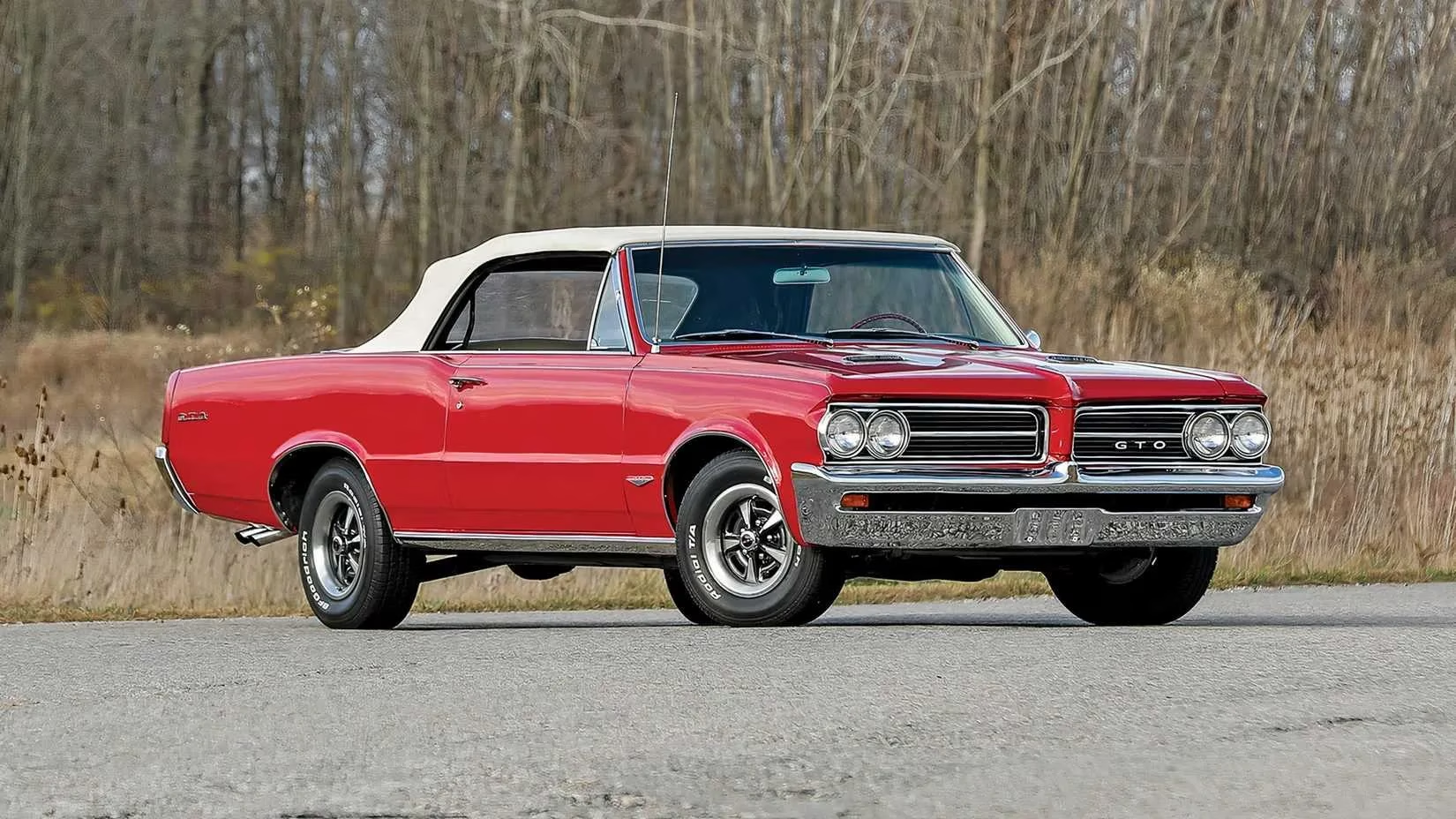
The Pontiac GTO was the catalytic converter for Detroit's horsepower wars. In a quiet act of rebellion, Pontiac's engineers took the humble LeMans platform and dropped in a roaring 389-cubic-inch V8. At a time when such large powerplants were reserved for luxury barges, the GTO democratized high performance. It was a perfect storm of speed, affordability, and style, capturing the imagination of a generation. Its monumental success forced every other manufacturer to scramble and respond, effectively spawning the entire muscle car movement. Without the GTO's initial act of defiance, the golden age of American performance might have remained a mere fantasy.
Corporate Loophole, Legendary Result: 1969 Chevrolet Camaro COPO 427
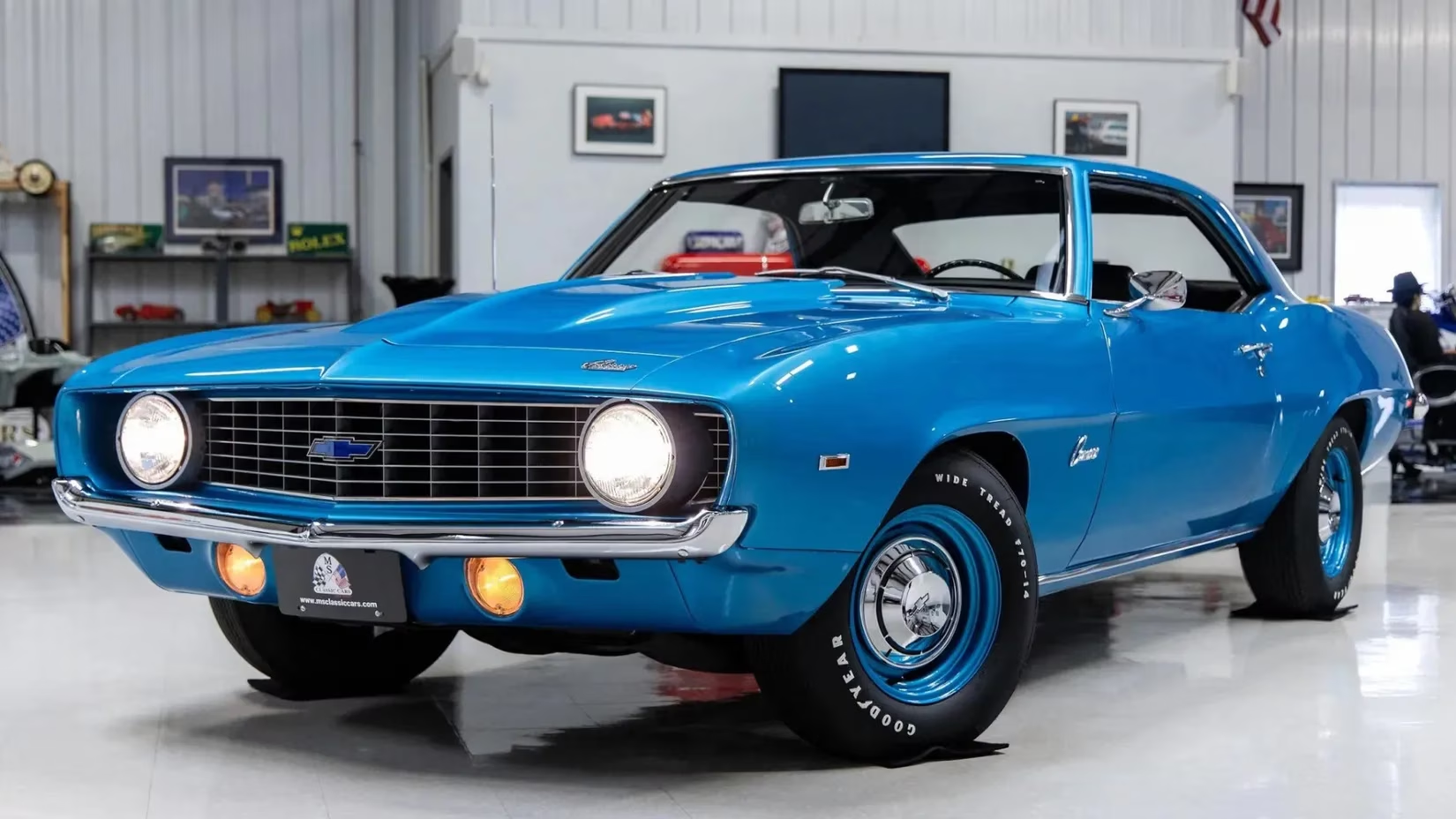
This is a masterclass in creative compliance. General Motors had a firm rule: engines larger than 400 cubic inches were forbidden in smaller cars. Chevrolet's engineers, however, spotted a loophole in the Central Office Production Order (COPO) system, typically used for fleet vehicle orders. By exploiting this paperwork technicality, they managed to shoehorn the ferocious 427-cubic-inch L72 big-block into the lightweight Camaro body. The result was the COPO 427, a brutally fast machine officially rated at 425 horsepower and capable of blistering 13-second quarter-mile runs straight from the dealership. It stands as the ultimate example of factory-sanctioned rebellion—a corporate rule broken in plain sight to create one of the most fearsome Camaros ever conceived.
Bringing the Race Engine to Main Street: 1966 Dodge Coronet 426 Hemi
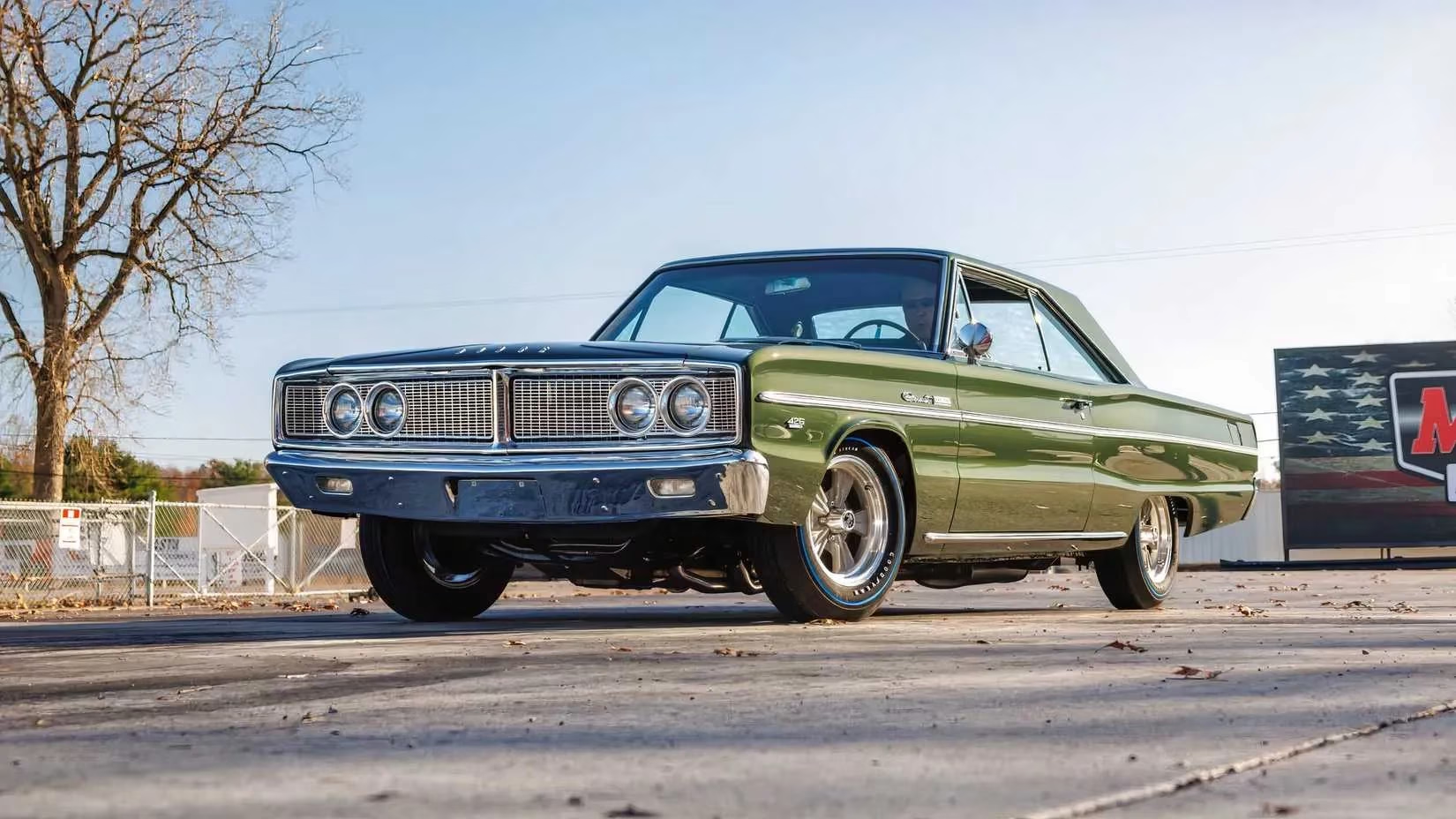
The 1966 Dodge Coronet 500 earned its legendary status by performing a seemingly impossible act: bringing the race-bred 426 Hemi engine to the public street. Originally designed for the brutal world of motorsport, the Hemi's hemispherical combustion chambers and sky-high compression made it a titan of power. Placing this engine into a midsize family sedan was an audacious statement. The Coronet looked deceptively ordinary but behaved like a full-bore drag racer, its immense torque and top-end power granting Dodge's lineup a new level of performance credibility. More importantly, it proved that cutting-edge racing technology could not only exist but thrive in a road-legal package, directly paving the way for icons like the Charger and Super Bee.
The Homologation Special: 1969 Ford Mustang Boss 429
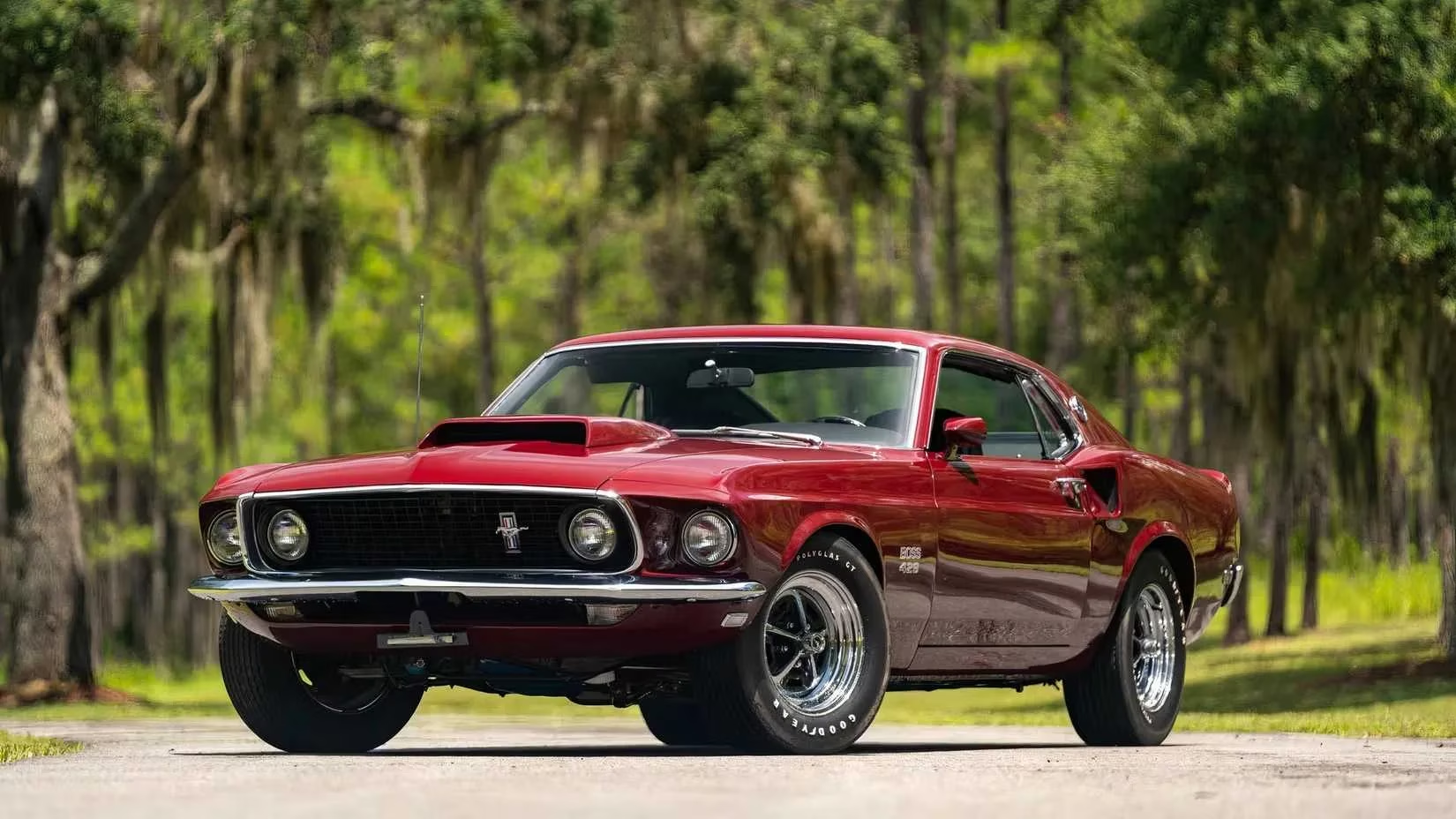
The Boss 429 was born from a singular, competitive purpose: to homologate Ford's new racing engine for NASCAR. To meet the sanctioning body's rule requiring 500 street-legal versions, Ford created one of the most extreme Mustangs in history. The colossal 429-cubic-inch V8 was so large it barely fit; the front end had to be extensively re-engineered by Kar Kraft just to make room. The result was a hand-built powerhouse, conservatively rated at 375 horsepower but widely understood to be capable of far more. Practicality was utterly discarded. The Boss 429 was a pure statement—a tool to prove Ford's racing dominance and deliver a slice of raw, untamed power to a select few buyers.
The Sophisticated Sleeper: 1970 Buick GSX Stage 1
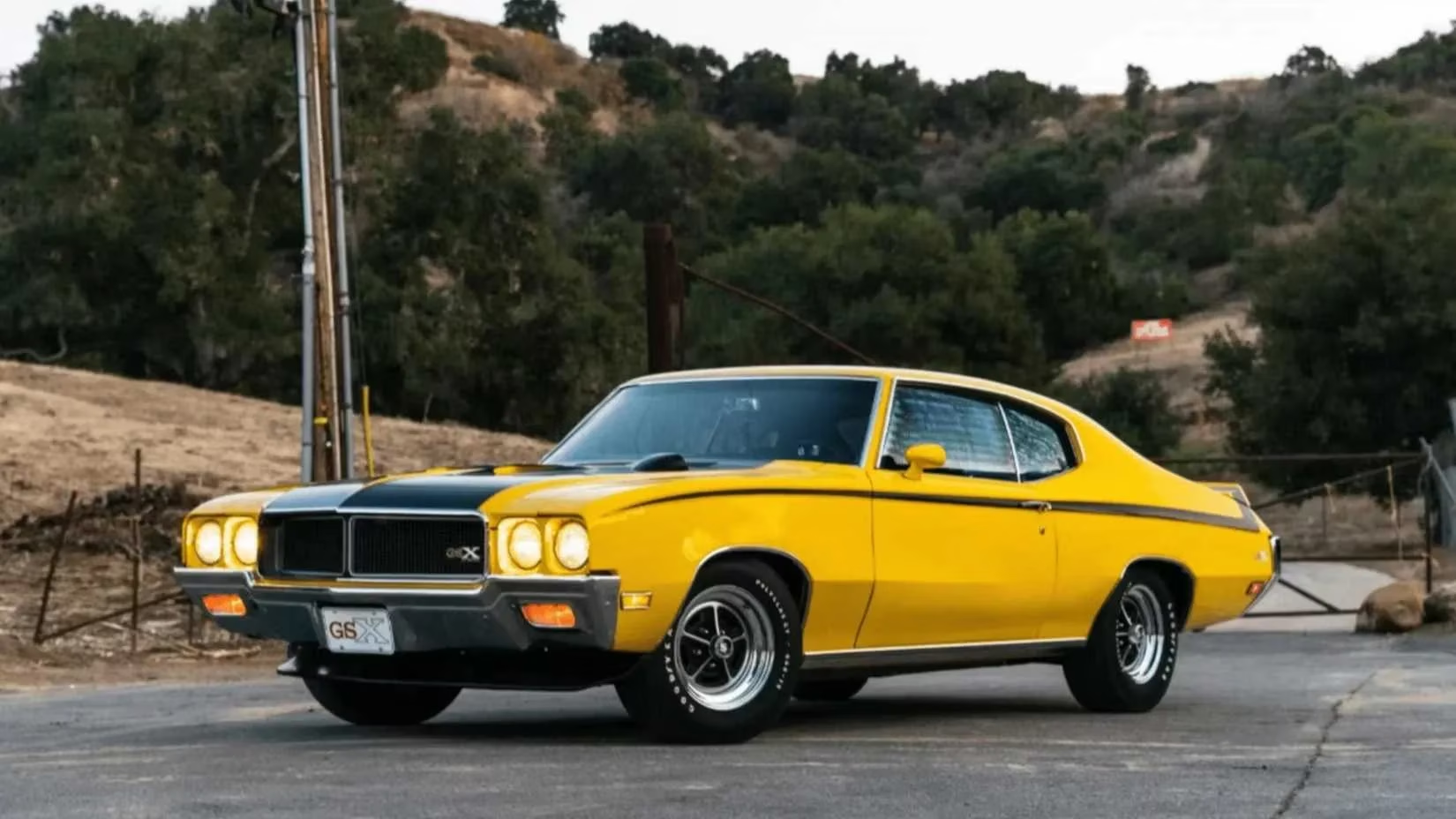
Buick, a brand synonymous with quiet luxury, was never supposed to build a muscle car. The 1970 GSX Stage 1 made that notion irrelevant. Under its refined hood lay a 455-cubic-inch V8, officially rated at a modest 360 horsepower—a figure most experts agree was a deliberate understatement. With a earth-moving 510 lb-ft of torque, it could humiliate purpose-built drag cars. Contemporary tests recorded quarter-mile times as quick as 13.38 seconds. The GSX's genius was its combination of brutal strength and composed demeanor, making it one of the most refined yet potent cars of its day. Its sophisticated appearance masking devastating power turned it into one of Detroit's ultimate and most legendary sleepers.
The Undisputed King: 1970 Chevrolet Chevelle SS 454 LS6
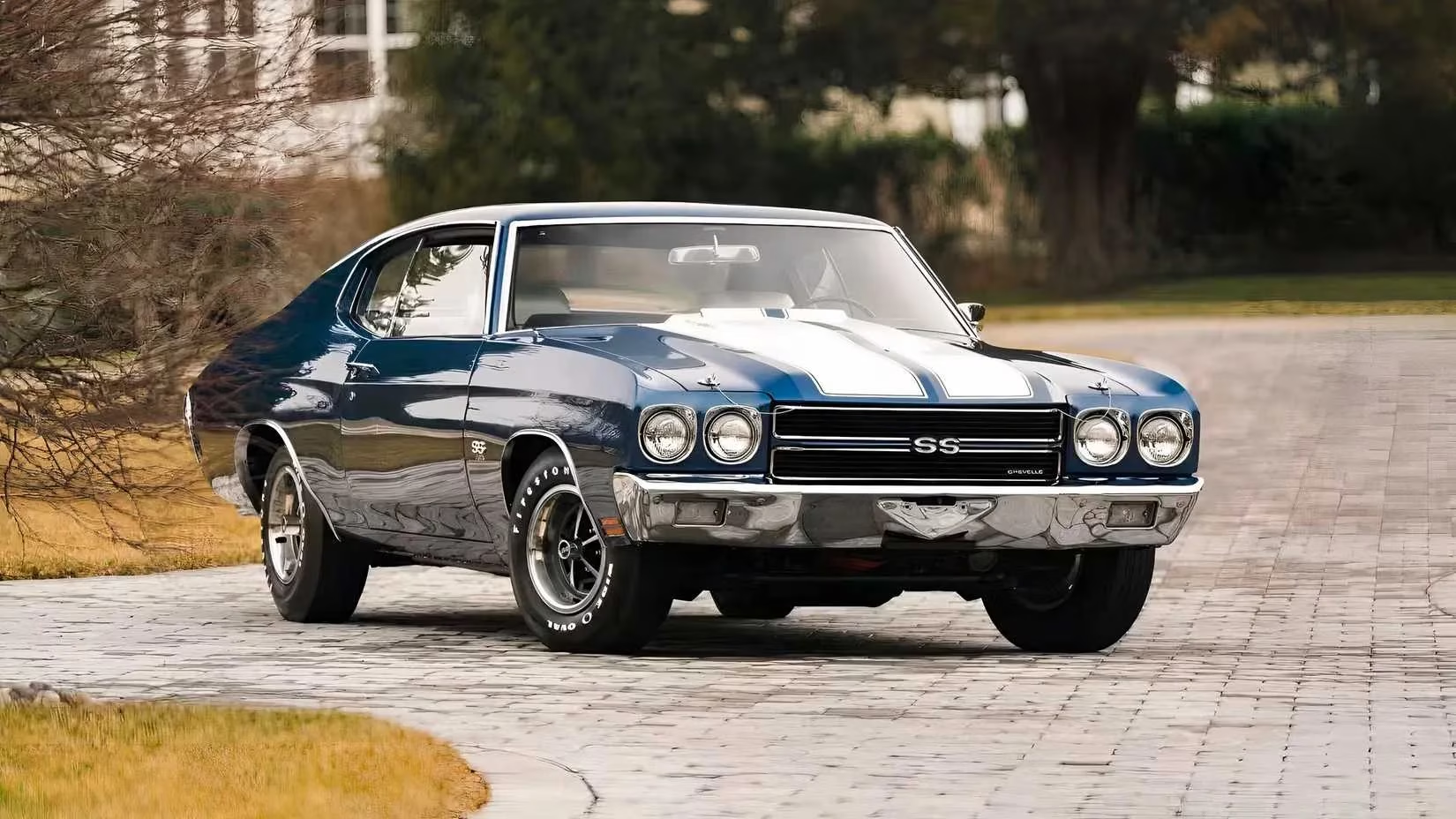
As the 1970s dawned and regulatory clouds gathered, Chevrolet responded not with retreat, but with a defiant, final roar. The Chevelle SS 454 LS6 arrived wielding the largest, most powerful engine ever fitted to a regular production car at the time. The LS6 big-block delivered a staggering 450 horsepower and 500 pound-feet of torque, cementing its status as the undisputed horsepower king of the entire muscle car era. With a 0-60 mph time around six seconds, it was as close to a factory drag car as one could buy. It represented the peak of muscle car philosophy: maximum engine, minimal compromise, and utterly unapologetic power. Even today, the LS6 badge remains the ultimate yardstick for big-block Chevrolet performance.
The Ultimate Aftermarket Rebellion: 1969 Yenko Nova S/C 427
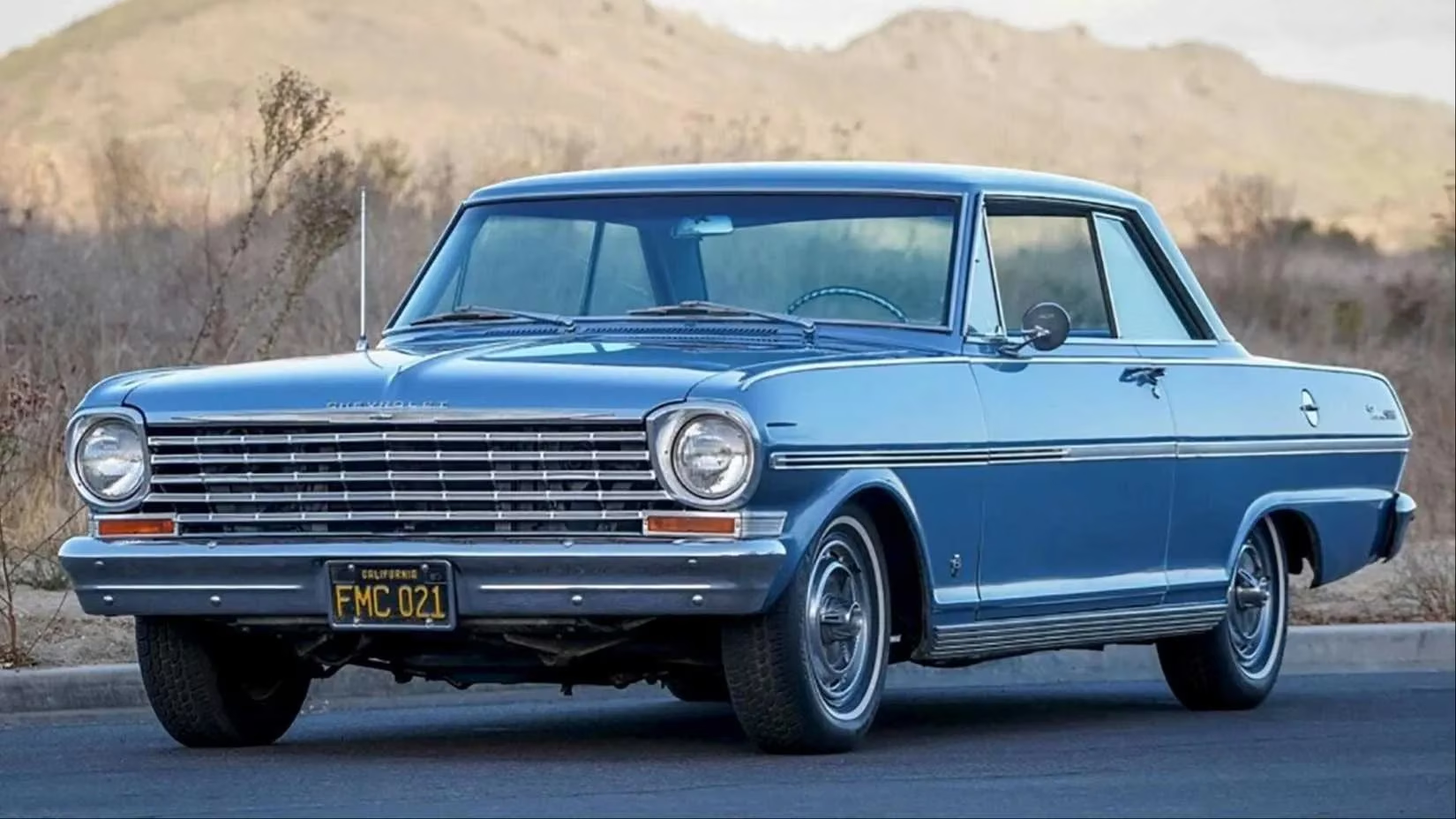
Don Yenko was a man perpetually unsatisfied with factory limitations. His 1969 Yenko Nova S/C 427 was his ultimate manifesto. He took Chevrolet's small, unassuming Nova and transplanted a 425-horsepower 427-cubic-inch engine meant for much larger vehicles. The result was a lightweight ballistic missile, capable of terrifying acceleration and effortless burnouts in any gear. With only 37 ever built—partly due to its extreme nature—it possessed an outrageous power-to-weight ratio that could unsettle even seasoned drivers. Its legend was forged in this raw, loud, and excessive character, perfectly embodying the fearless, rule-breaking attitude that defined the era's peak.
The Pop-Culture Phoenix: 1977 Pontiac Firebird Trans Am
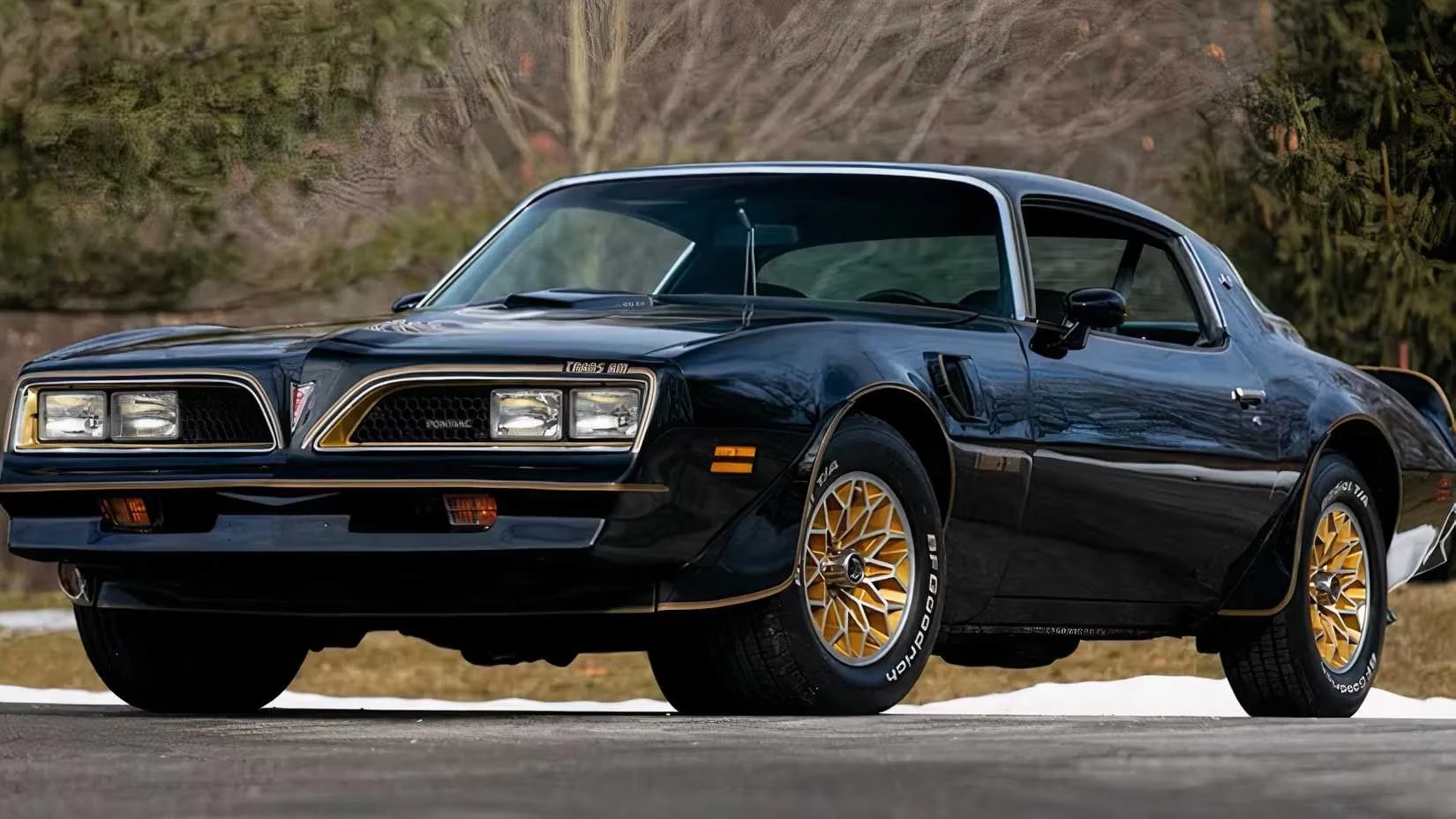
Just as the traditional muscle car era seemed to be fading, the 1977 Pontiac Trans Am roared back into the spotlight, propelled not by horsepower figures alone, but by pop culture immortality. Its starring role in Smokey and the Bandit transformed it into a national icon of freedom and rebellion. The black and gold paint, T-tops, and iconic "screaming chicken" hood decal became symbols of an attitude. Beneath the theater was genuine capability; the Pontiac 400 V8 delivered solid torque, and its handling was commendably balanced for the time. The Trans Am's legacy is measured in spirit and image as much as in speed, single-handedly making cool, defiant attitude a central selling point once again.
The Tech-Powered Finale: 1987 Buick GNX
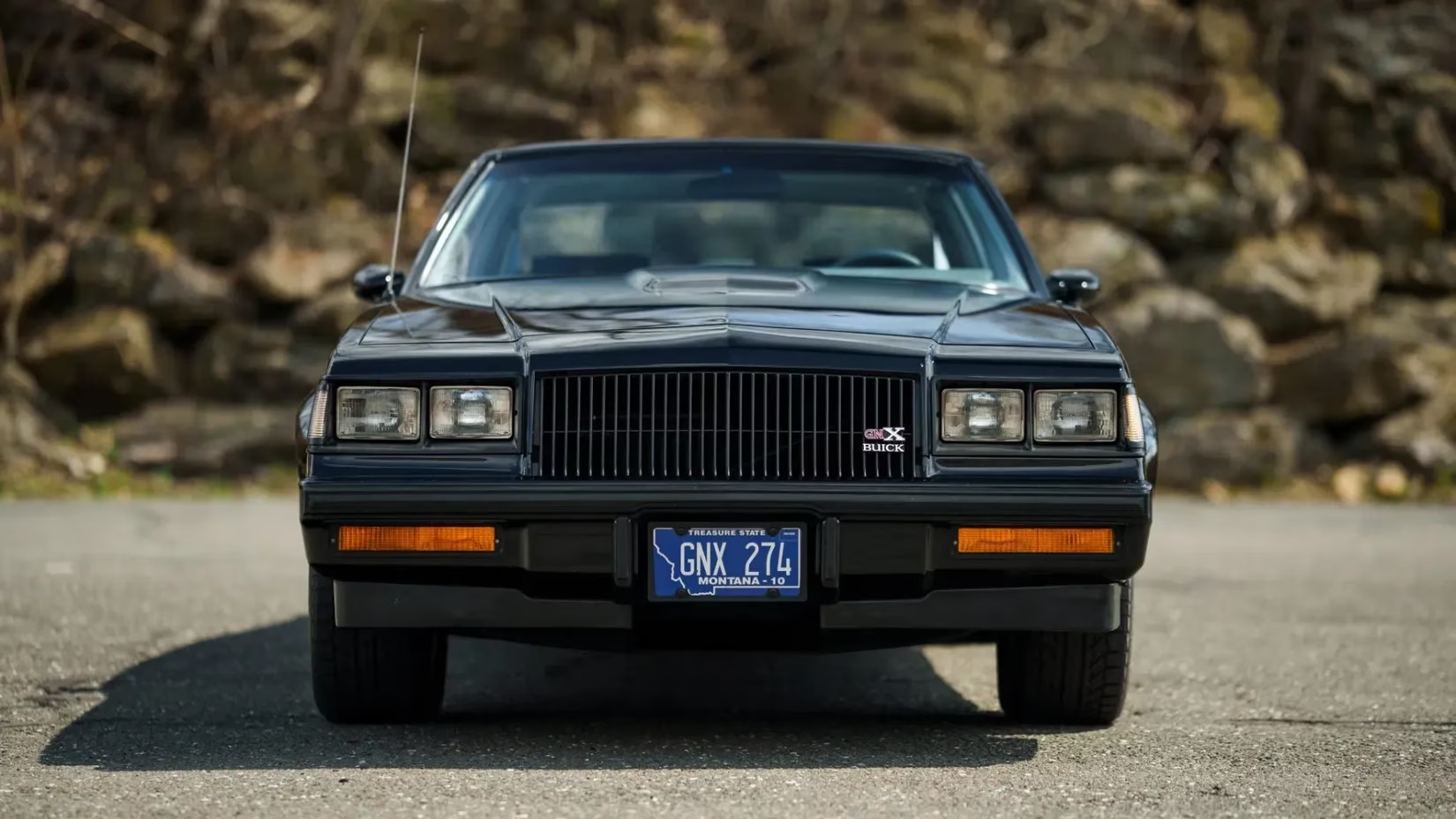
As the classic muscle chapter was closing, an unlikely hero emerged from Buick to write a thrilling final paragraph. The 1987 GNX took the formidable Grand National and, with assistance from McLaren Performance Technologies, turned it into a technological tour de force. Its turbocharged 3.8-liter V6, while officially rated at 276 horsepower, delivered performance that far exceeded its paper specs. With a 0-60 mph time under five seconds, it could outrun contemporary V8 sports cars. The GNX was a revolutionary statement, proving that sheer muscle no longer required massive displacement; innovation and forced induction could achieve breathtaking results. Dark, menacing, and devastatingly quick, the GNX closed the era not by looking back, but by establishing a completely new set of rules for performance.
Reflecting on these icons from our vantage point in 2026, their collective legacy is undeniable. Each was born from an act of defiance, a moment where passion overruled policy. Together, they chart the most fearless epochs in automotive history. They remind us that a little rule-bending, a spark of rebellion, and an unwavering commitment to a powerful idea can create legends that endure for generations. For that enduring ethos of automotive rebellion, we remain eternally grateful.