Somewhere between the screaming V12s and the million-dollar hypercars, the Honda NSX-R sat quietly in the corner, minding its own business. It didn't flex. It didn't shout. But when the road turned twisty, it left just about everything else for dead. This was Honda's idea of a supercar: no wild wings, no neon paint, just surgical precision and a serious case of less-is-more. The NSX-R was never sold new in the United States, which only made it more of a forbidden fruit—the kind of car American enthusiasts would trade a kidney for, if one ever popped up for sale.
A Diet Worth Bragging About
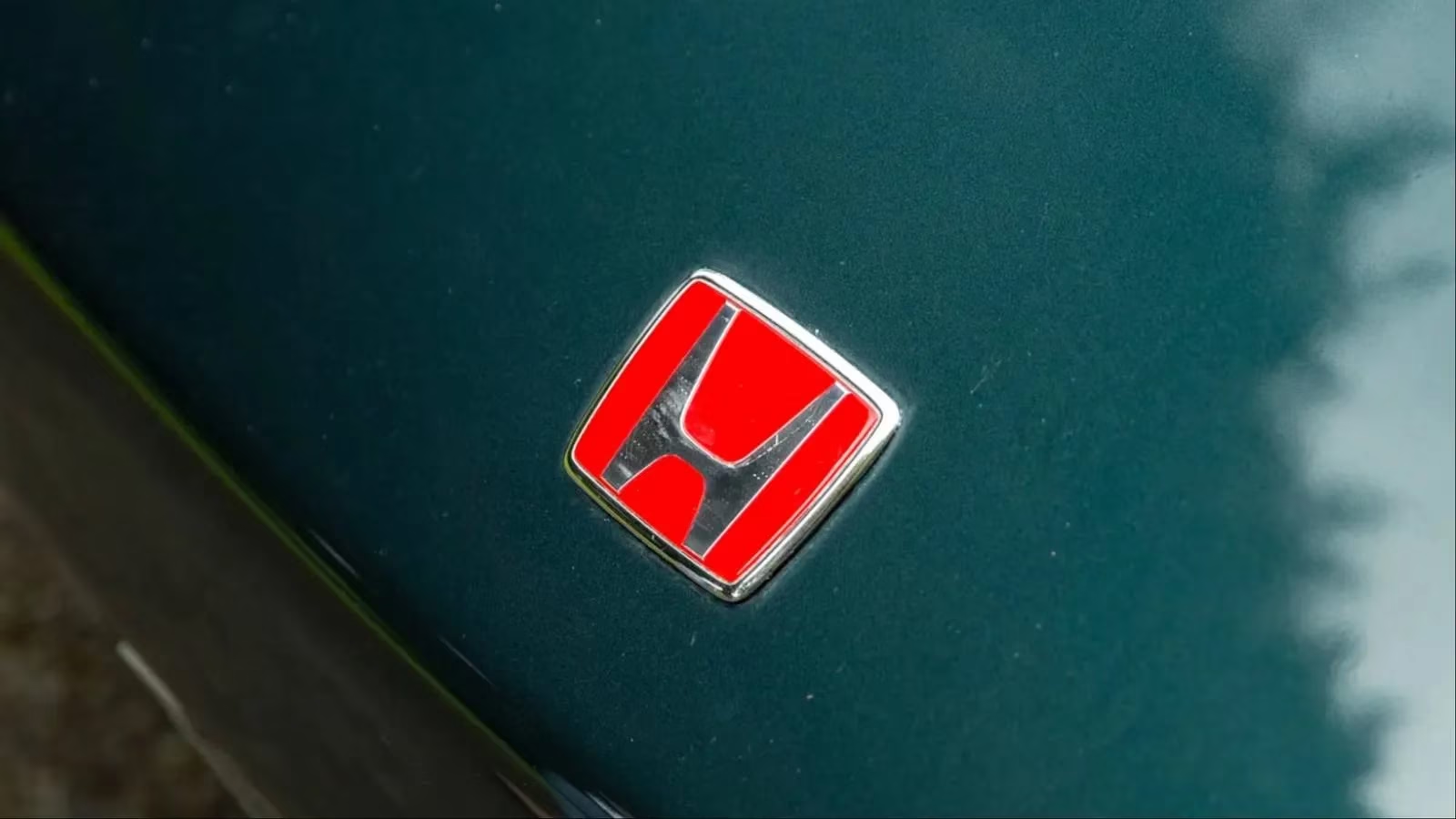
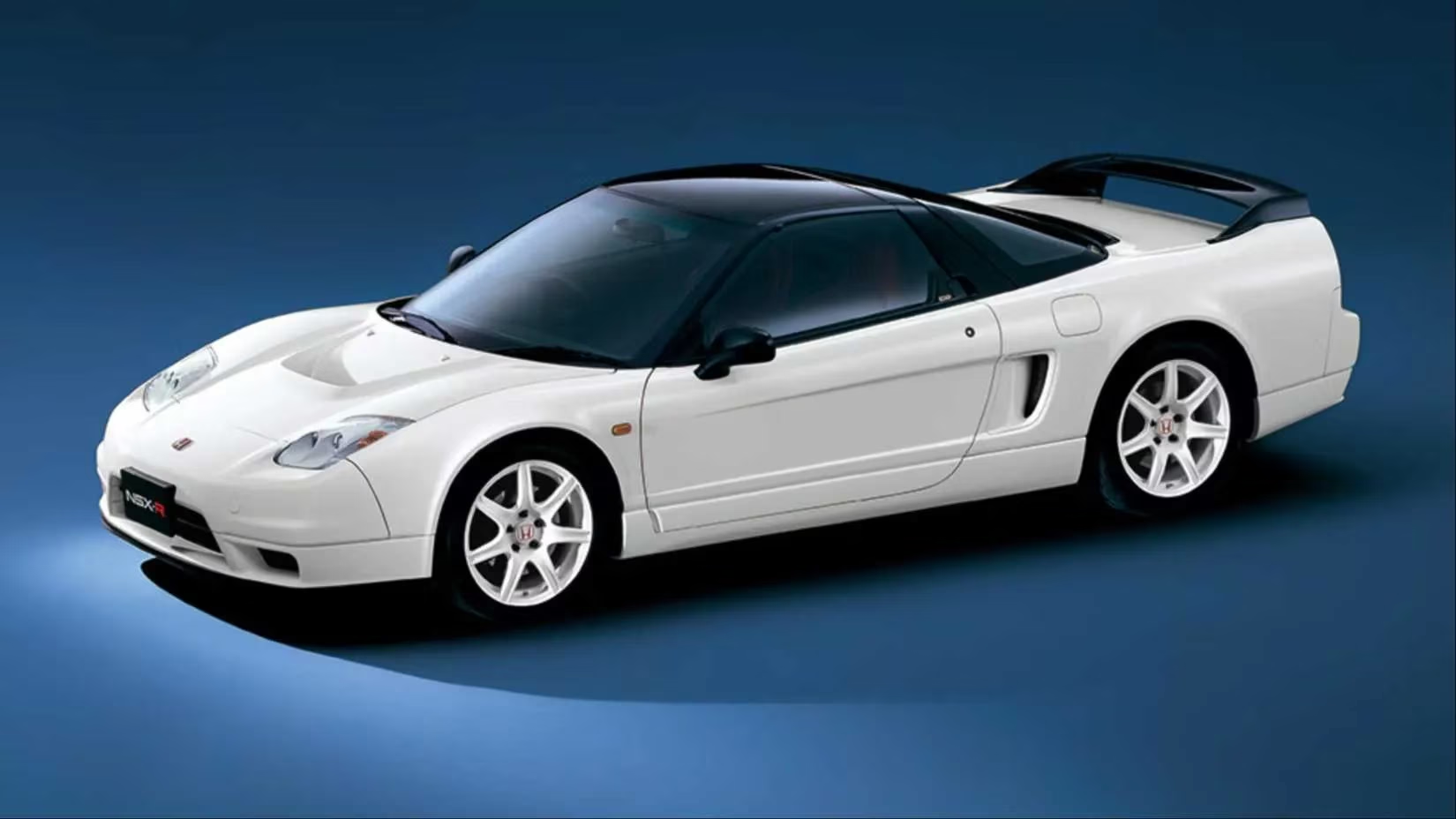
Honda didn't just slap a red badge on the NSX and call it a day. The Type R treatment was a full-blown obsession, the kind of thing that makes a car feel alive. The engineers swapped in a carbon fiber hood and rear spoiler, then went through the cabin like a Marie Kondo reboot. Every ounce that didn't spark joy—or improve lap times—was sent packing. By the time the dust settled, the NSX-R had shed roughly 172 pounds compared with the standard NSX. That's the equivalent of tossing a full-grown adult out of the passenger seat before hitting the track. The result? Sharper turn-in, faster acceleration, and a chassis that felt more like a go-kart than a grand tourer.
The Heartbeat
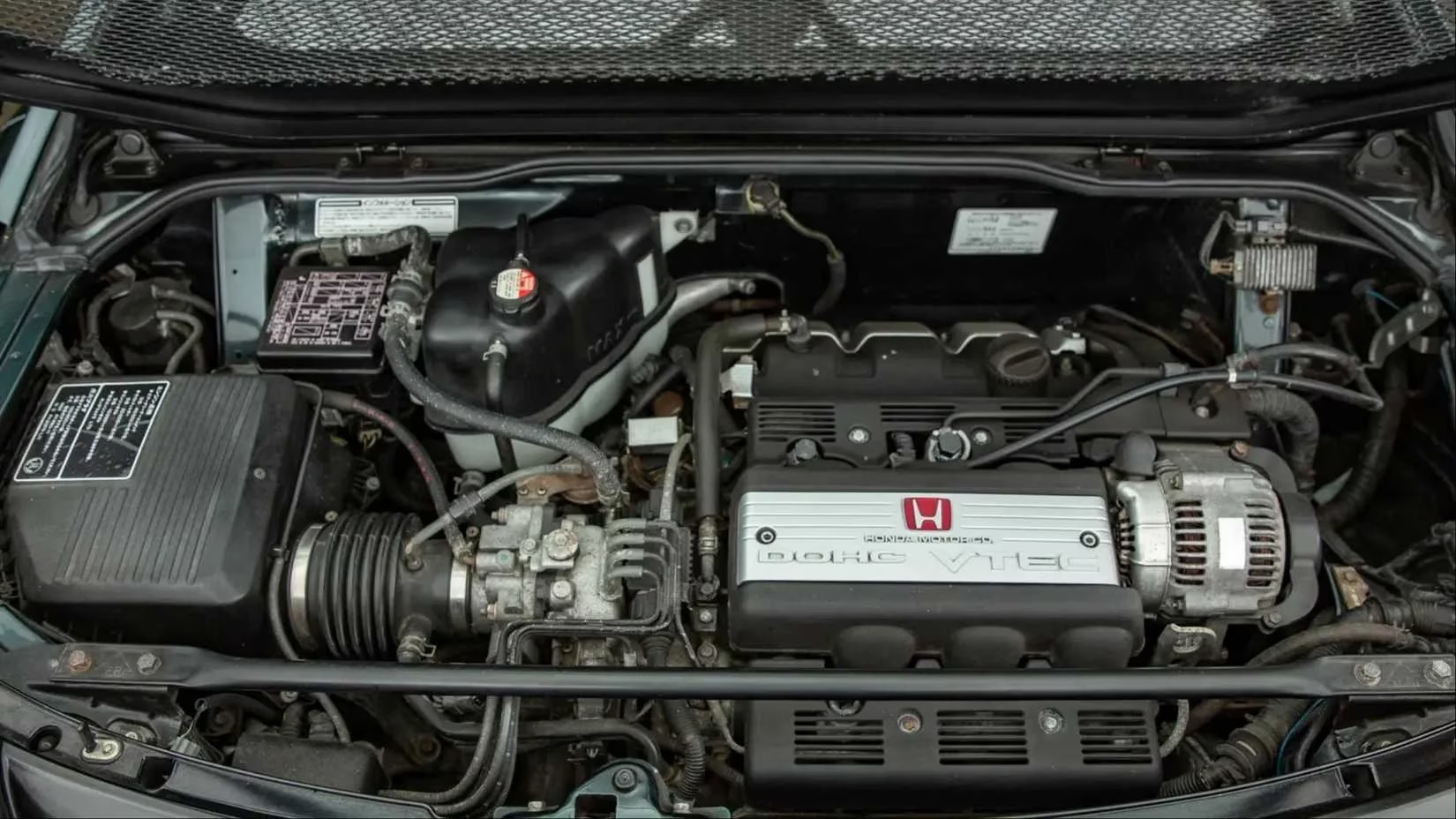
Under the carbon skin, the NSX-R kept its 3.2-liter DOHC VTEC V6, but Honda's technicians gave it the kind of attention usually reserved for race engines. The crankshaft, pistons, and connecting rods were balanced to exacting tolerances, and the entire assembly was put together by hand. The claimed output sat at 290 horsepower, but most folks in the know treated that number with a wink and a nudge—the real figure was likely a good bit higher. What mattered more was the way the engine responded. A recalibrated final drive, a close-ratio six-speed manual, and a drive-by-wire throttle turned the NSX-R into an extension of the driver's right foot. It didn't just make power; it made the driver feel like a hero.
Aero That Earns Its Keep
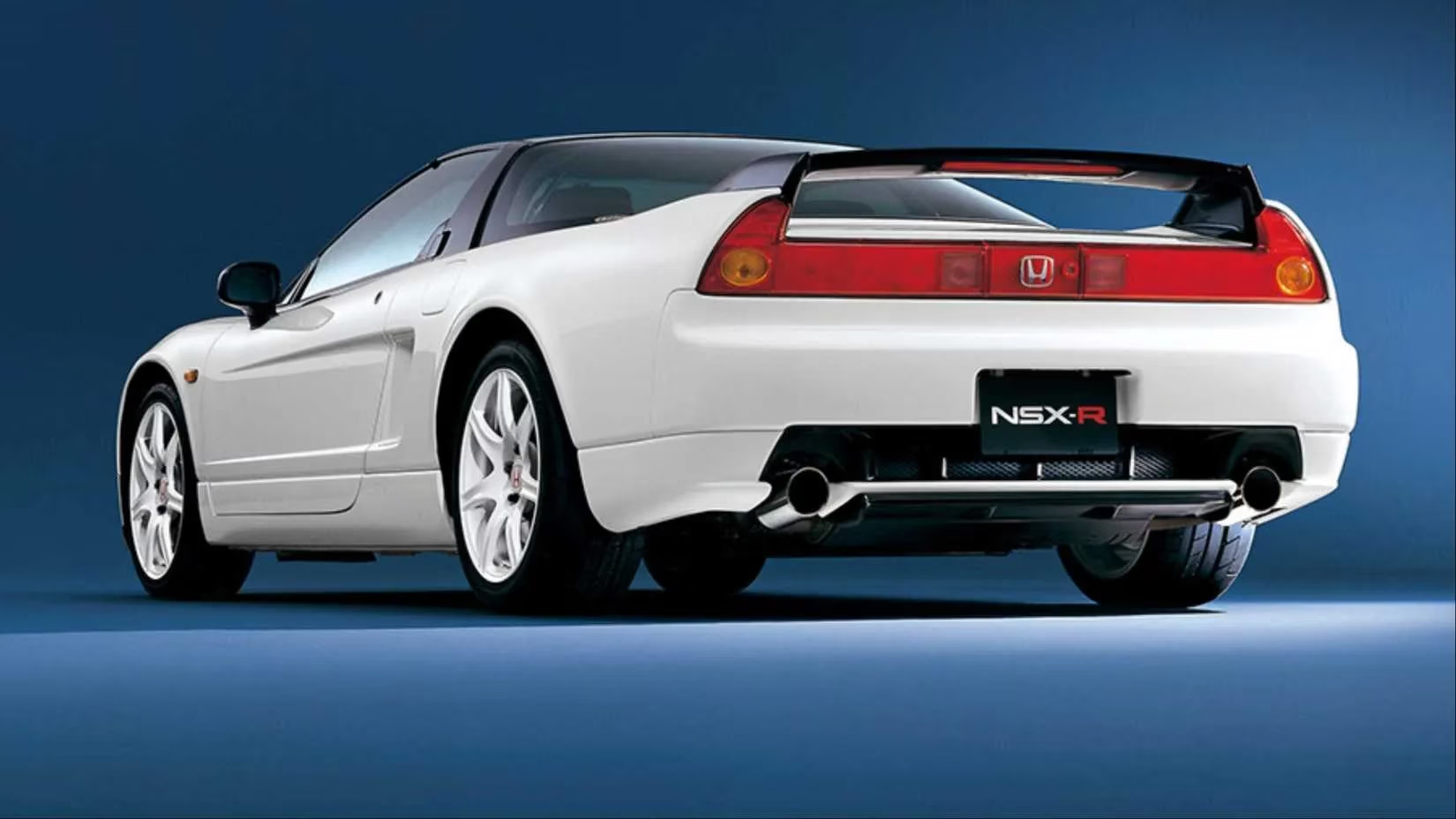
A lot of cars wear wings for show. The NSX-R wore its aero for work. Honda fitted a carbon fiber hood with an air outlet duct, a finned front under-cover, and a diffuser out back. The rear spoiler wasn't there to look cool in a parking lot—it worked with the rest of the package to produce negative lift at speed. In plain English, that means the car pushed itself into the pavement instead of floating around like a balloon. Even the underside got the treatment, with a flatter floor smoothing the airflow. All of this added up to a supercar that stayed planted at triple-digit speeds, which is no small feat for a street-legal machine.
Built by the Fast Crowd
The NSX-R didn't roll down an ordinary assembly line. It was hand-assembled at Honda's Tochigi factory by engineers who also worked on the company's Formula 1 and racing programs. That's like having a pit crew build your commuter car. The influence of Ayrton Senna also hung over the project. The legendary driver had helped develop the first-generation NSX at Suzuka and the Nürburgring, and his feedback laid the groundwork for the stiffer chassis, sharper suspension, and more aggressive aero of the Type R. Honda removed nearly all the sound deadening to save weight, but then tuned the intake manifold to make the V6 howl even louder. Go figure. The car was quiet to the world but loud where it counted.
Suspension, Tires, and Stopping Power
Honda threw the kitchen sink at the chassis. Stiffer springs, reinforced bushings, and beefier stabilizer bars worked together with the extra downforce to keep the car glued to the road. The NSX-R rolled on specially developed Bridgestone Potenza RE070 tires, which were tested at Suzuka Circuit. A preloaded limited-slip differential put the power down cleanly out of corners, while slotted rotors and performance brake pads gave the middle pedal real authority. Whether carving mountain roads or attacking a track day, the NSX-R had the suspension and brakes to match its engine. It was a complete package, not a one-trick pony.
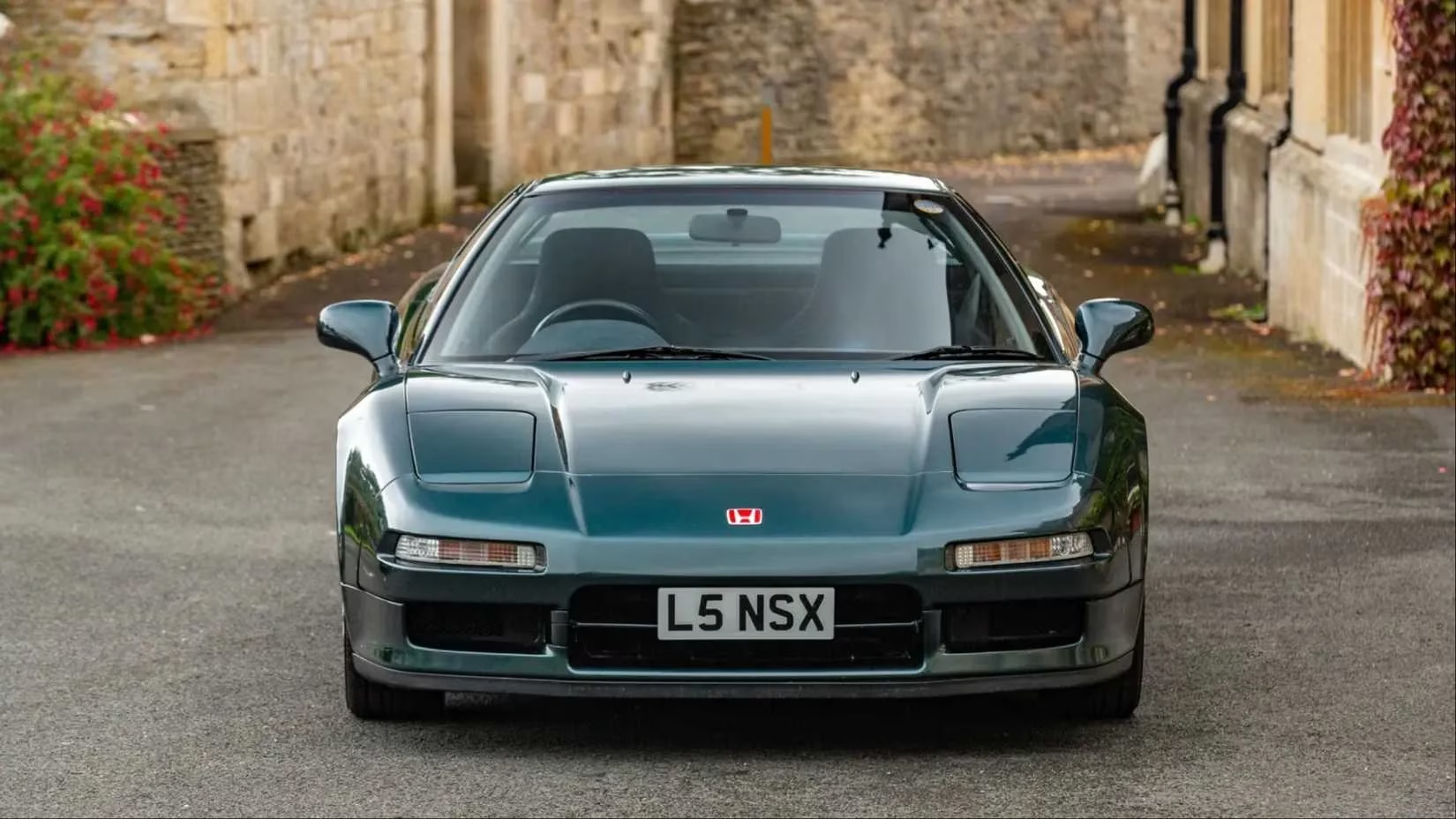
The Forbidden Fruit
Here's the kicker: Honda never officially sold the second-generation NSX-R in the United States. Strict import regulations kept it off American showroom floors, which turned the car into a legend overnight. Even in 2026, finding one on U.S. soil is like spotting a unicorn at a gas station. A random NSX at a car show is rare enough, but an actual NSX-R? That's rarer than hen's teeth. Collectors have paid serious money for the privilege. Recent auction data paints a clear picture:
| Metric | Value |
|---|---|
| Average Price | $362,064 |
| Lowest Sale | $217,946 |
| Top Sale | $632,000 |
| Most Recent Sale | $368,000 |
The bottom line is simple: the NSX-R remains one of Honda's greatest hits, a driver's car that prioritized feel over flash. It didn't need to scream for attention because it earned respect the old-fashioned way—one corner at a time. For American enthusiasts, it's still the one that got away, and that's exactly why the legend keeps growing.